
Updated 2026-10-26
For a memorable taste of Portuguese seafood, look beyond codfish and grilled sardines. Percebes, or goose barnacles, are one of the coast’s most prized delicacies: unusual to look at, wonderfully briny, and best enjoyed with your sleeves rolled up.
Their appeal lies in their simplicity. Briefly cooked and served without elaborate sauces, they bring the flavor of the Atlantic straight to the table.
What Are Percebes?
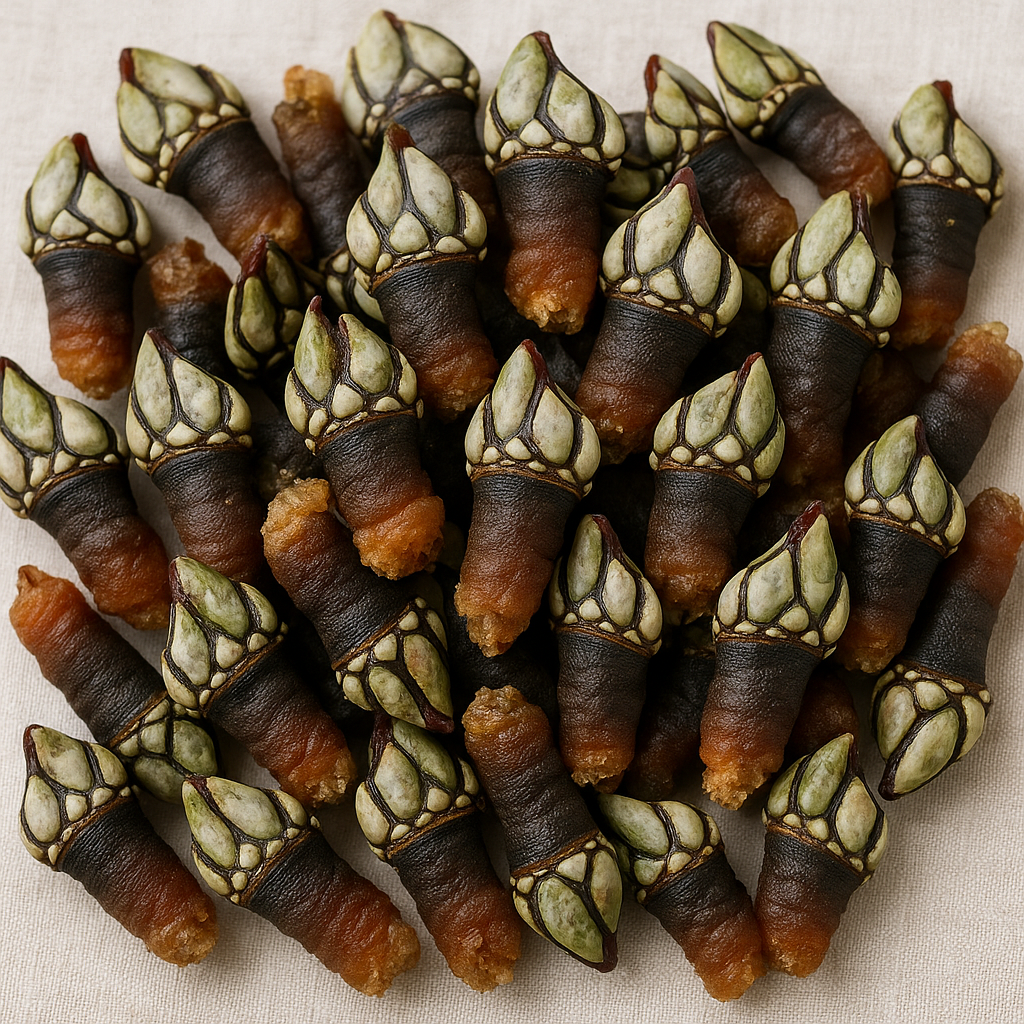
Percebes are crustaceans that attach themselves to wave-battered coastal rocks. They are closely associated with Portugal’s southwestern coast, including the Alentejo and Vicentine coast, and with Galicia in Spain.
Despite their unfamiliar appearance, there is nothing complicated about appreciating them. Each has:
- A dark, leathery stalk: the outer covering is peeled away before eating.
- A hard, pale, claw-like tip: useful to hold while opening the stalk.
- Tender flesh inside: salty, slightly sweet, and intensely oceanic.
For first-time eaters, the appearance can be part of the adventure. The reward is a distinctive seafood flavor that needs very little accompaniment.
Why Are Percebes So Special?
Much of their value comes from the difficulty and danger of harvesting them. Percebes grow where the sea strikes exposed rocks, making access challenging even for experienced professionals.
Harvesters, often called percebeiros, work around tides, swell, and slippery rock surfaces to collect them. Along the Vicentine Coast, this demanding work is part of a long coastal tradition.
That effort helps explain why percebes can be an expensive order. Prices vary with supply, origin, and harvesting conditions, so check the current price and serving size before ordering. A menu may quote a price by weight rather than by plate.
Enjoy them through reputable seafood restaurants rather than attempting to gather them yourself. Coastal harvesting involves both serious safety risks and local regulations.
How Are Percebes Prepared and Eaten?
Simple Cooking, Plenty of Flavor
Percebes are usually boiled briefly in salted water and served warm. Some tables offer lemon, but try one plain first to appreciate its natural flavor.
- Keep it simple: sauces and butter are generally unnecessary.
- Eat with your hands: this is happily informal food.
- Keep a napkin nearby: opening the stalk can release a little salty liquid.
How to Open Your First One
Hold the hard tip, then gently twist and pull the dark covering away from the stalk. Eat the exposed flesh, leaving the outer covering and hard shell behind.
If you are unsure, ask your server to demonstrate. One quick example usually makes the process much easier, and sharing a plate is a friendly way to try them for the first time.
A Portuguese white wine or vinho verde can make a pleasant accompaniment. The main attraction, though, is that clean, briny taste of the sea.
Where to Eat Percebes in Portugal
Coastal seafood restaurants, known as marisqueiras, are natural places to ask about percebes. Availability is never something to assume, even in towns with strong seafood traditions.
The areas below offer good settings for a seafood-focused outing. Before making a special journey, check restaurants’ official websites or contact them directly for current menus, opening times, and that day’s catch.
Azenhas do Mar, Near Sintra
The oceanfront setting makes Azenhas do Mar a lovely place to pause for a seafood lunch. Ask local restaurants whether percebes are available that day rather than relying on a fixed seasonal menu.
A coastal meal can sit naturally alongside time around Sintra or Cascais, an old fishing village, with enough breathing room to enjoy the scenery between stops.
Ericeira
Ericeira’s seafood traditions make it another appealing place to look for percebes. Choose a restaurant with a clear account of what is fresh, and ask about the catch’s origin and the portion size.
Planning lunch as part of a coastal outing leaves room to enjoy the town even if percebes are not available.
Setúbal and the Arrábida Coast
A seafood lunch pairs well with the coastal scenery around Setúbal and Arrábida Natural Park. Check directly with restaurants before planning the meal around percebes, as the day’s selection can change.
The Alentejo Coast
Zambujeira do Mar and Vila Nova de Milfontes offer inviting bases for exploring the coast and its seafood traditions. Ask at local restaurants what has arrived fresh, rather than treating any particular month as a guarantee.
This is a region where a slower itinerary works well: leave time for a coastal drive, a relaxed lunch, and a conversation about what is on the menu.
Lisbon
You do not have to leave the city to seek out Portuguese seafood. Lisbon’s marisqueiras are worth checking, but confirm directly whether they are serving percebes before booking specifically to try them.
A useful question when reserving: “Do you expect to have percebes, and how are they priced?” Restaurants may only be able to confirm availability closer to your meal.
When Is Percebes Season?
There is no single reliable dining calendar for percebes across Portugal. Weather, sea conditions, local harvesting rules, and supply all influence what reaches restaurant tables.
Rather than planning around a claimed “best month,” check availability shortly before your outing and keep an alternative seafood dish in mind.
- For dining: ask the restaurant directly about current availability and origin.
- For harvesting rules: consult official information from Portugal’s Directorate-General for Natural Resources, Safety and Maritime Services (DGRM).
- For protected coastal areas: check guidance from the Institute for Nature Conservation and Forests (ICNF), including any applicable local restrictions.
Harvesting restrictions help manage the resource, but rules can differ by area. They should not be taken as a blanket guarantee that every catch is sustainable.
Discover Coastal Portugal Through Its Seafood
A plate of percebes can be the highlight of a day, but it is also a good starting point for understanding Portugal’s relationship with the Atlantic. Fishing villages, seafood markets, and coastal landscapes give the meal its wider story.
A thoughtful itinerary might include:
- A scenic drive along Arrábida or the Alentejo coast.
- Time in a coastal town before an unhurried seafood lunch.
- A market stop, where opening arrangements fit the day.
- A wine tasting or vineyard stop when it suits the route.
Our local team can help shape a private day trip or tailor-made multi-day itinerary around your interest in Portugal’s seafood and coast.
Plan Your Seafood Experience
Keep the meal flexible, ask what is fresh, and allow yourself to try something unfamiliar. Percebes are best approached with curiosity, a little patience, and plenty of napkins.
For more itinerary ideas or to share your food interests with Portugal Magik:
- Explore Our Private Food & Wine Tours »
- Get in touch via WhatsApp »