Introduction to Portuguese Wine Culture
Portugal has a rich winemaking tradition that dates back over 4,000 years. The country’s geographical diversity, from rugged mountains to coastal plains, allows for an incredible variety of wine styles. Wine isn’t just a product in Portugal—it’s a way of life. Locals pair it with every meal, celebrate it in festivals, and pass down winemaking secrets through generations.
From bold reds to crisp whites, fortified wines to sparkling varieties, Portugal offers a world of flavor in every glass. And the best way to experience this magic? By visiting the country’s legendary wineries.
What Makes Portugal a Top Wine Destination
Portugal has earned global recognition for its wine for a few solid reasons:
-
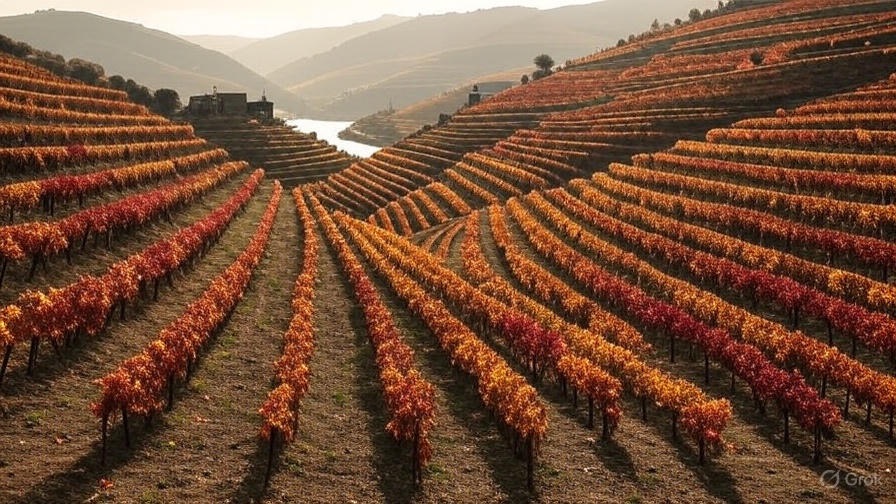
Diverse Wine Regions: From the terraced vineyards of Douro Valley to the sun-soaked plains of Alentejo, Portugal’s geography is a winemaker’s dream.
-
Indigenous Grapes: Portugal boasts over 250 native grape varieties, like Touriga Nacional and Alvarinho, that you won’t find anywhere else.
-
Ideal Climate: With long summers, mild winters, and the Atlantic’s cooling influence, Portugal creates the perfect conditions for both traditional and experimental winemaking.
Add charming countryside estates, passionate winemakers, and ancient traditions into the mix, and you’ve got a wine lover’s paradise.
\
Top Wine Regions in Portugal
Douro Valley – Home of Port Wine
The Douro Valley is Portugal’s crown jewel. Recognized as a UNESCO World Heritage Site, it’s the birthplace of Port wine and home to some of the most iconic wineries.
-
Quinta do Crasto: Perched high above the Douro River, this estate offers breathtaking views and award-winning reds.
-
Quinta do Vallado: One of the oldest estates in the valley, blending tradition with innovation.
Alentejo – Rolling Hills and Modern Wines
This region is all about big skies, olive groves, and full-bodied wines.
-
Herdade do Esporão: A pioneering estate known for organic practices and excellent wine tourism.
-
Adega Mayor: Famous for its sleek architecture and rich reds.
Dão – Elegant Wines with Altitude
Nestled in central Portugal, Dão is known for its altitude-influenced finesse.
-
Quinta da Pellada: Produces structured reds and crisp whites with character.
-
Casa da Passarella: Merges contemporary winemaking with heritage vineyards.
Vinho Verde – Light and Refreshing Wines
This northern region is famous for zesty, effervescent whites.
-
Quinta da Aveleda: A fairy-tale-like estate that combines history with wine tasting in lush gardens.
-
Anselmo Mendes Wines: Artisanal wines that highlight the Alvarinho grape’s elegance.
Bairrada – Bubbly Excellence and Baga Grape
Located between the mountains and the Atlantic, Bairrada specializes in sparkling wines and bold reds.
-
Luis Pato: Known as the king of Baga, Luis Pato crafts expressive and age-worthy wines.
-
Quinta das Bágeiras: Traditional techniques and low-intervention winemaking at their best.
Unique Winery Experiences in Portugal
Wineries in Portugal offer more than just wine tastings. Here are some experiences you shouldn’t miss:
-
Food Pairings: Enjoy local cheeses, cured meats, and fresh seafood alongside your tastings.
-
Picnics in the Vineyard: Many estates offer baskets packed with regional treats.
-
Grape Harvesting and Stomping: Time your visit during September for hands-on harvest fun.
Sustainable and Organic Wineries
As sustainability becomes central to modern winemaking, Portugal leads the charge:
-
Niepoort (Douro Valley): Low-intervention methods and biodynamic farming.
-
Cortes de Cima (Alentejo): Solar-powered operations and chemical-free viticulture.
These eco-conscious estates deliver quality without compromising the planet.
Family-Owned and Historic Estates
Many Portuguese quintas (estates) have been passed down through generations:
-
Quinta do Noval (Douro): Producing Port since the 18th century.
-
José Maria da Fonseca (Setúbal): Portugal’s oldest table wine brand, founded in 1834.
Their legacy is captured in every bottle.
Boutique and Lesser-Known Gems
Step off the beaten path and discover small, passionate producers:
-
Quinta de Santiago (Vinho Verde): A family-owned gem producing limited batches with love.
-
Herdade do Sobroso (Alentejo): Remote, romantic, and perfect for wine-and-wildlife retreats.
How to Plan a Wine Tour in Portugal
Best Time to Visit: Spring (April-June) and Harvest Season (September-October).
Tips:
-
Book in advance for popular estates.
-
Combine wine tasting with local sightseeing.
-
Rent a car or hire a local wine guide for convenience.
Wine & Food Pairing in Portuguese Wineries
Pairing wine with traditional dishes enhances the experience:
| Dish | Wine Pairing |
|---|---|
| Bacalhau à Brás | Vinho Verde or Dão White |
| Grilled Sardines | Alentejo Rosé |
| Roast Pork (Leitão) | Bairrada Red |
| Octopus Rice | Douro White |
| Pastéis de Nata | Moscatel de Setúbal |
Tips for Buying and Shipping Wine
-
Duty-Free at Wineries: Some offer tax-free sales for tourists.
-
Ask About Shipping: Most wineries can ship directly to your home.
-
Pack Smart: If carrying bottles, use wine skins or travel-safe cases.
Frequently Asked Questions (FAQs)
1. What is the best time to visit wineries in Portugal?
The best months are April to June for spring bloom and September to October for harvest events.
2. Can I visit wineries without booking a tour?
Some welcome walk-ins, but reservations are highly recommended, especially for guided tours.
3. Are Portuguese wineries kid-friendly?
Yes! Many have gardens, animals, or activities for kids while adults enjoy tastings.
4. Do Portuguese wineries serve food?
Many offer tapas, full meals, or curated pairings, especially in Alentejo and Douro.
5. Is there an official wine route in Portugal?
Yes, such as the Rota dos Vinhos (Wine Routes), which cover all major regions.
6. How much do wine tastings cost?
Tastings range from €5 to €25, often redeemable with bottle purchases.
Conclusion: Why Portugal’s Wineries Are a Must-Visit
Portugal offers a wine experience like no other—diverse, intimate, and steeped in tradition. From sunlit vineyards to cellar-aged treasures, every winery tells a unique story. Whether you’re a casual sipper or a serious oenophile, Portugal’s wineries promise memories you’ll savor long after your last glass.