
Updated 2026-10-25
Seville brings together ornate palaces, orange-tree-lined streets, flamenco and the pleasure of a long tapas evening. The capital of Andalusia rewards both curious sightseeing and unhurried wandering, with plenty of welcoming corners between its celebrated landmarks.
Whether you are planning a first visit or including southern Spain in a wider Portugal journey, these ten experiences offer a lovely introduction to the city. Leave room between them to pause in a shaded square and enjoy Seville at its own pace.
1. Marvel at the Real Alcázar of Seville
Part of Seville’s UNESCO World Heritage listing, the Real Alcázar is a remarkable palace complex blending Mudéjar architecture with Gothic, Renaissance and Baroque influences. Its origins reach back to a fortress established in the 10th century, with successive rulers reshaping its halls, courtyards and gardens.
Look closely at the intricate tilework, carved ceilings and delicate plaster decoration. The appeal lies as much in these small details as in the grand spaces connecting them.
Outside, fountains, pavilions and paths shaded by palms and orange trees invite a slower pace. Fans of Game of Thrones may recognize the gardens as a filming location for the Water Gardens of Dorne.
Planning tip: Check the Real Alcázar’s official website for admission arrangements and book ahead when possible. A guided tour can help explain the palace’s layered history, but does not guarantee an uncrowded visit.
2. Visit Seville Cathedral and La Giralda Tower
Seville Cathedral dominates the skyline and forms part of the city’s UNESCO-listed ensemble. Built on the site of a former mosque, this vast Gothic building contains soaring columns, an elaborate gilded altarpiece and the tomb of Christopher Columbus.
Give yourself time to absorb the scale before focusing on individual chapels and details. The contrast between the cathedral and the surviving elements of the earlier mosque helps tell the story of Seville’s changing past.
La Giralda, originally the mosque’s minaret, offers sweeping views across the rooftops. Much of the ascent follows ramps, with steps near the top; it is still a substantial climb rather than an effortless stroll.
Before you go: Consult the cathedral’s official website for visitor access, worship-related closures, ticket options and accessibility guidance, especially if you are considering the tower.
3. Wander Through the Barrio Santa Cruz
Part of Seville’s historic Jewish quarter, Barrio Santa Cruz is one of the city’s most atmospheric areas to explore on foot. Narrow streets weave between whitewashed houses, flower-filled balconies and small plazas, with glimpses of courtyards along the way.
Rather than treating it as a route to complete, let yourself wander. Notice the tiled details, find a shaded spot to rest, or stop at a traditional tapas bar for a small plate and a glass of fino sherry.
The neighborhood’s beauty sits alongside a complex Jewish history, worth exploring with a knowledgeable guide. Its streets are also residential, so enjoy the quieter corners with consideration for the people who live there.
Walking tip: Wear comfortable shoes for uneven paving and keep a map handy. Getting a little lost is part of the pleasure, but knowing your way back makes it more relaxing.
4. Experience the Passion of Flamenco
Seville is one of flamenco’s great centers, with deep roots in Andalusian culture and the contributions of Gitano communities. Singing, guitar, rhythm and dance come together in an expressive art form that can feel intimate even in a room full of people.
For an evening performance, consider established venues such as Casa de la Memoria (casadelamemoria.es) or Tablao El Arenal (tablaoelarenal.com).
Each setting offers a different atmosphere, so choose according to the kind of evening you want rather than assuming all shows follow the same format. A focused performance can be just as memorable as a longer dinner outing.
Booking tip: Check each venue’s official website for its current location, program, booking conditions and whether food is included. Follow the venue’s photography rules so everyone can enjoy the performance.
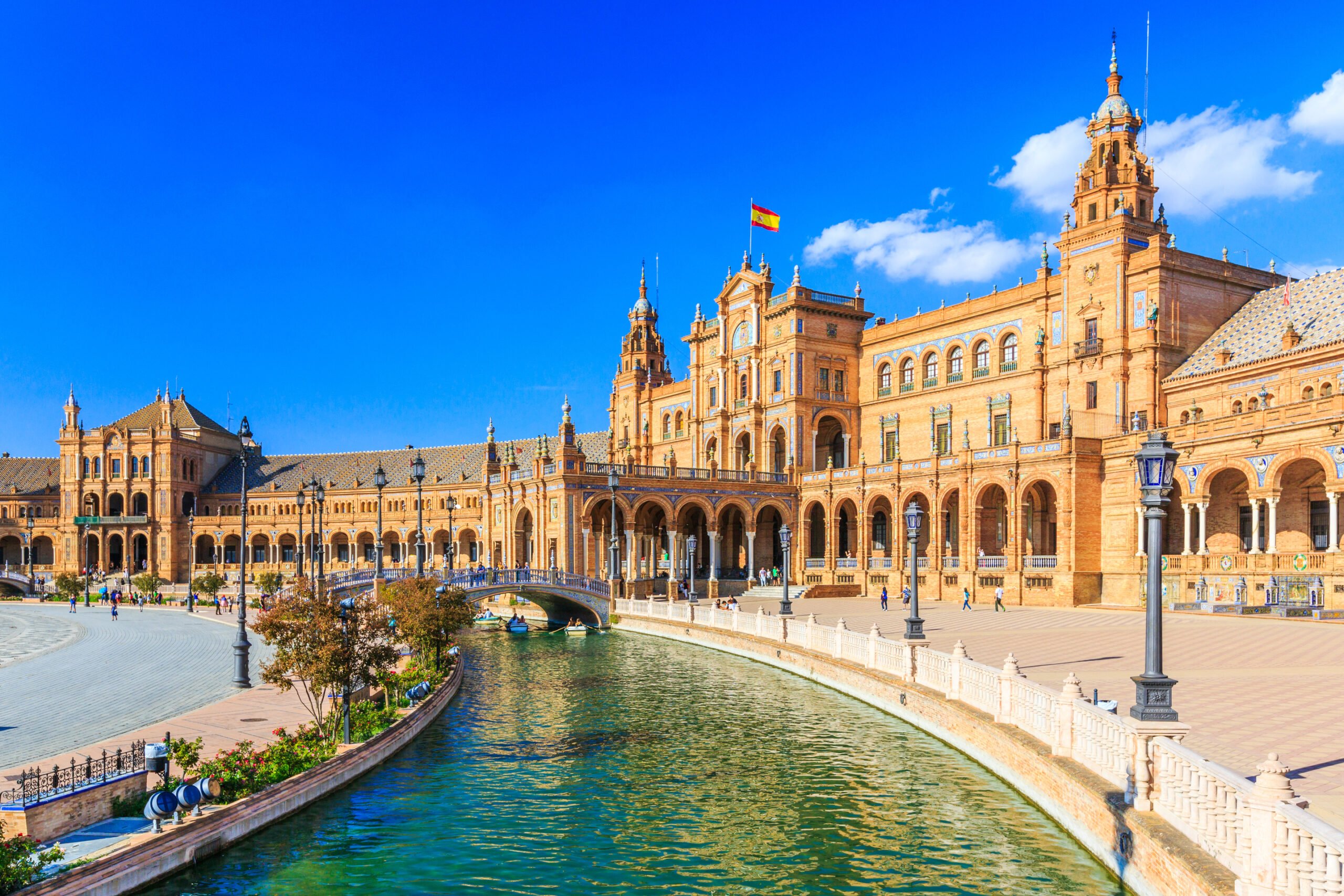
5. Explore Plaza de España
Built for the Ibero-American Exposition of 1929, Plaza de España is one of Seville’s most distinctive landmarks. Architect Aníbal González combined Renaissance Revival and Moorish Revival influences in a sweeping semicircular design.
A canal curves through the plaza beneath decorative bridges, while tiled alcoves celebrate Spain’s provinces. Walk along the arcades and pause over the ceramics: their patterns and scenes reward a closer look.
You do not need a complicated plan here. Enjoy the broad views, cross the bridges and watch how the light changes the red brick and colorful tiles. Late-day light can be particularly appealing for photographs.
Easy pairing: Combine the plaza with neighboring María Luisa Park. Bring water and allow for breaks in warm weather, as the open square can feel much hotter than the shaded paths nearby.
6. Relax in María Luisa Park
Beside Plaza de España, María Luisa Park offers a green counterpoint to Seville’s busy streets. Once part of the gardens of the San Telmo Palace, the grounds were donated to the city in the 19th century and developed into a public park.
Fountains, tiled benches and leafy avenues make it a lovely place for a gentle stroll or a quiet pause. Rather than seeking out every corner, choose a shaded path and see where it leads.
This is a useful breathing space in a sightseeing day, particularly after time spent in the cathedral or palace. Families, couples and solo travelers can all enjoy a change of rhythm here without adding another formal attraction to the schedule.
Slow-travel tip: Leave some unscheduled time for the park. A seat beneath the trees can be just as rewarding as the next photograph, especially during a full day on foot.
7. Visit the Metropol Parasol (“Las Setas”)
Popularly known as Las Setas, or “The Mushrooms,” the Metropol Parasol introduces a bold contemporary silhouette to Seville’s historic center. Designed by architect Jürgen Mayer and completed in 2011, its sweeping timber forms rise above Plaza de la Encarnación.
From street level, the canopy offers an intriguing contrast with the surrounding architecture. Above, the panoramic walkway provides a different perspective on the old town, helping you place the towers and rooftops you have been exploring.
It is a worthwhile stop for anyone interested in how modern design fits into a historic city. Even if you do not go up, take a moment to appreciate the structure from below.
Planning tip: Check the official Setas de Sevilla website for current walkway access, tickets and accessibility details. Choose your timing around the weather and the kind of light you would like, rather than relying on a fixed sightseeing schedule.
Other Visitors are reading now:



8. Discover the Casa de Pilatos
Casa de Pilatos is a historic residence shaped in the 16th century, blending Mudéjar, Renaissance and Gothic elements. Less prominent on many first-time itineraries than the Alcázar, it offers another fascinating view of Seville’s architectural heritage.
Its courtyards bring together classical sculpture, delicate arches and richly patterned azulejos, or decorative tiles. Gardens add softness to the stone and ceramics, creating spaces that invite careful observation.
For architecture lovers, the pleasure is in comparing details: the proportions of an arch, the arrangement of tiles or the relationship between a courtyard and its surrounding rooms. It complements the Alcázar rather than simply repeating the experience.
Before you go: Consult the official Casa de Pilatos visitor information for current admission options and which areas are accessible. Avoid assuming that every part of the residence is included in a standard ticket.
9. Taste Authentic Andalusian Cuisine
Tapas are one of the pleasures of a Seville stay. Start with a few dishes, share where it suits you and leave room to try something else. A relaxed meal can be as memorable as any monument.
What to try
- Salmorejo: a thick, chilled tomato soup, often served with egg and cured ham.
- Jamón ibérico de bellota: acorn-fed Iberian cured ham.
- Espinacas con garbanzos: spinach with chickpeas, a classic local favorite.
- Fried fish: a familiar part of Andalusian cooking, best chosen according to the menu that day.
A glass of manzanilla or fino can make a pleasant pairing if you enjoy sherry. Ask about ingredients when ordering, particularly if you have dietary requirements; garnishes and stocks are not always obvious from a dish’s name.
Restaurants to consider
- El Rinconcillo (elrinconcillo.es): a historic tapas institution dating to 1670.
- La Azotea (laazoteasevilla.com): an option for contemporary Andalusian cooking.
- Abantal (abantalrestaurante.es): an option for a more structured, tasting-menu-style meal.
Check the restaurants’ official websites for current locations, menus, service days and reservations before making plans.
10. Cruise the Guadalquivir River
The Guadalquivir shaped Seville’s history as a center of trade and exploration during Spain’s Golden Age. Seeing the city from the water offers a different sense of its setting, away from the narrow lanes and enclosed courtyards.
Depending on the route, river cruises offer views of landmarks such as the Torre del Oro, Triana Bridge and the riverside gardens. The appeal is the change of perspective: familiar buildings become part of a wider waterfront scene.
Before booking: Confirm the departure point, route, duration, onboard facilities and accessibility directly with the operator. Services and weather conditions can change, so avoid building a tight connection around a sailing.
If a boat trip does not suit your plans, a riverside walk is a lovely alternative. Either way, the Guadalquivir makes a gentle closing chapter to a day in Seville.
Planning Your Seville & Southern Spain Journey
Seville combines naturally with Córdoba, Granada and Ronda, but each deserves time of its own. For a Portugal and southern Spain itinerary, balance travel days with longer stays rather than trying to fit every highlight into a single sweep.
Keep the itinerary comfortable
- Group nearby sights: pair the cathedral, Alcázar and Santa Cruz across a manageable stretch of your stay, without rushing through all three.
- Reserve key experiences: check official attraction websites before fixing the rest of your day.
- Plan for the weather: alternate outdoor wandering with shaded breaks and indoor sightseeing.
- Leave evenings open: tapas, flamenco and a gentle walk are best enjoyed without a packed timetable.
Portugal Magik’s private driver-guide tours and tailor-made trips allow room for personal interests and a comfortable pace. If you are combining Portugal with Seville, our local team can help shape a tailor-made multi-day itinerary around what you most enjoy.
Useful Portugal Magik Resources
- Explore multi-day tours: https://portugal-magik.com/multi-day-tours/
- Browse private day tours around Lisbon: https://portugal-magik.com/private-day-tours/
- Read guest reviews: https://portugal-magik.com/reviews/
- Contact details: https://portugal-magik.com/contact/
The form below is available for itinerary enquiries.