From a riverside breakfast to an evening of fado, Lisbon quietly overturns familiar ideas about a European city break. Its pleasures lie in the details, especially when there is time to notice them.
1. Breakfast is small, but it deserves your attention
Begin in Belém, where breakfast need not involve a towering buffet or a takeaway cup. At Pastéis de Belém, the custard tarts have been made since 1837 using a closely guarded recipe associated with the nearby Jerónimos Monastery. The pastry breaks into fine flakes; the filling is soft, with a browned surface. Cinnamon is there if you want it.
Order a bica for an espresso, or a meia de leite for coffee with milk. For Americans accustomed to bottomless coffee, the portion can seem startlingly modest. That is part of the pleasure: a brief, delicious pause rather than fuel consumed between appointments.
2. That enormous stretch of water is a river
Walk toward the waterfront and the scale of the Tagus estuary can scramble your bearings. This is not the ocean, although the Atlantic lies farther west. The broad water, sailing traffic and distant southern bank give Lisbon a sense of openness quite different from the enclosed historic centers of Florence or Madrid.
Belém Tower was built in the early sixteenth century as part of the river’s defenses. Seen from the shore, it makes more sense as a guardian of a maritime entrance than as an isolated postcard monument. Bring a layer even on a bright morning: the waterfront breeze can make sunshine feel deceptively cool.
3. The grand architecture contains complicated stories
Back beside Jerónimos Monastery, look closely before reaching for the camera. Its Manueline decoration turns stone into ropes, foliage and elaborate maritime imagery. Construction began under King Manuel I in the early sixteenth century, and the monastery is closely associated with Portugal’s era of ocean voyages.
The story is larger than heroic navigation. Trade, religious ambition, conquest and the exploitation of people all belong to the history of Portuguese expansion. For well-traveled Americans, that fuller context makes Belém more compelling, not less. If the church is open to visitors, Vasco da Gama’s tomb adds a tangible human reference to the monumental setting.
Browse our travel inspiration for ideas, or tell us what kind of day you have in mind.
4. A short transfer can change the whole character of the day
From Belém, head east toward Baixa. These are parts of the same city, yet the mood changes from expansive lawns and monuments to busy squares and tightly arranged streets. The distance is modest, although traffic means a transfer should never be treated as a fixed number of minutes.
With Portugal Magik, a local driver/guide can shape the day around the guests, using a Mercedes-Benz vehicle between districts and leaving time for the walks that matter. A couple might linger over architecture; a family might need an earlier lunch. Not having to navigate, park or retrieve a rental car makes those small changes much easier.
5. Downtown’s orderly streets tell a disaster story
At Praça do Comércio, the river opens beyond a vast square bordered by yellow arcades. The royal palace once stood here, before the earthquake of November 1, 1755, and the ensuing tsunami and fires devastated much of Lisbon. The rebuilding associated with the Marquis of Pombal gave Baixa its unusually regular street plan.
Walk north along Rua Augusta and notice how different this feels from an improvised medieval maze. Lisbon offers both, often within the same afternoon. The relatively level streets of Baixa also provide a welcome interval for travelers who enjoy exploring on foot but would rather save their knees for the older neighborhoods.
6. Lunch begins with a choice you may not recognize
When bread, olives or cheese arrive at a restaurant table, Americans may assume they are complimentary. In Portugal, these couvert items are generally charged when accepted and consumed. Ask what is included, check the menu and decline anything you do not want. A little understanding removes an unnecessary surprise from an otherwise happy meal.
For lunch, consider bacalhau à Brás, shredded salt cod folded with fine fried potatoes, onion and eggs, usually finished with parsley and olives. It is comforting rather than showy. Service is not necessarily built around rapid table turnover, and asking for the bill is normal. Tipping is appreciated, but the American percentage routine is not the default.
7. The hills matter more than the map suggests
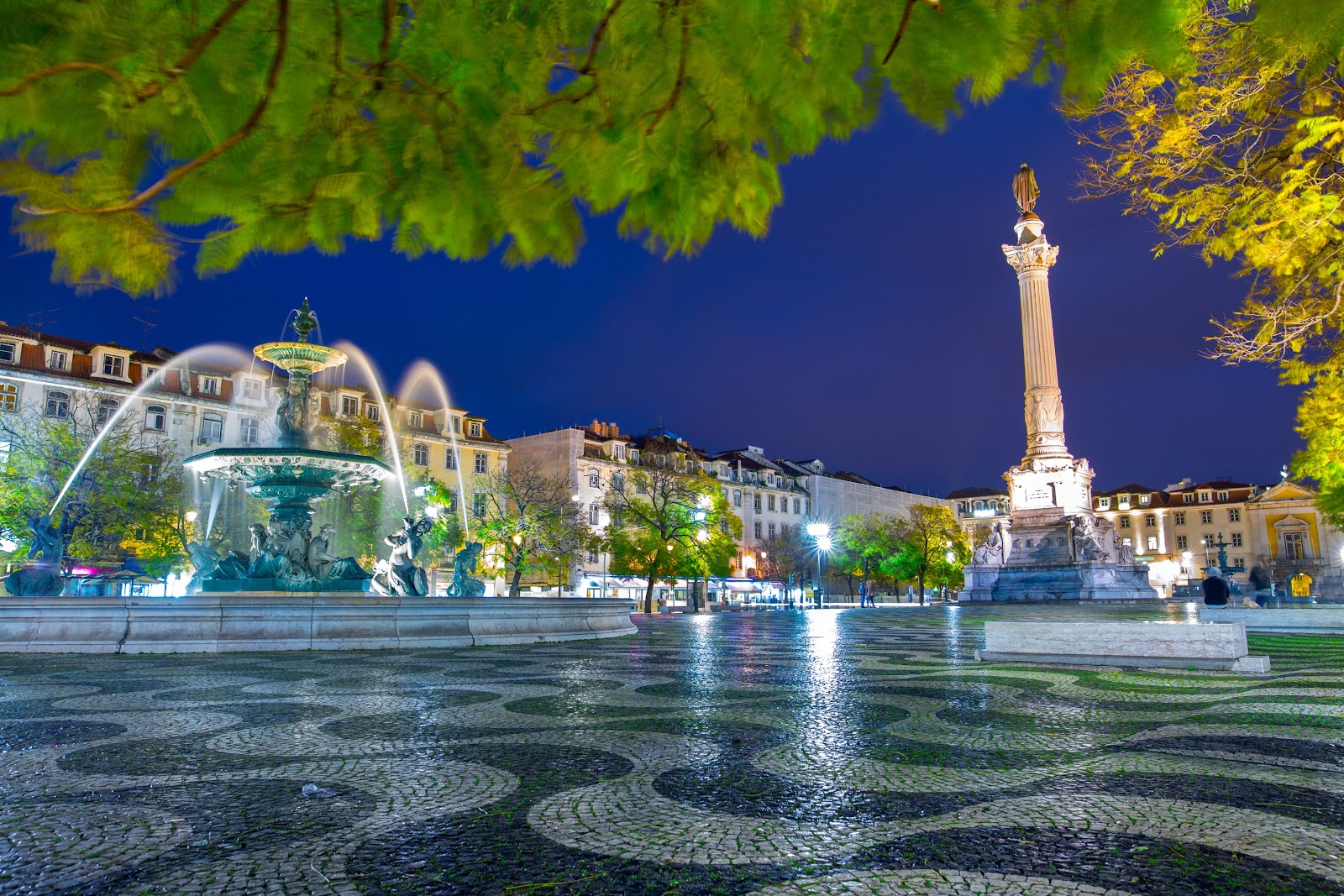
After lunch, make your way toward Alfama and the Miradouro de Santa Luzia. On a map, the distance from Baixa can look almost trivial. Underfoot, slopes, steps and uneven paving tell another story. Lisbon’s patterned limestone pavements are beautiful, but polished or wet stones call for shoes with reliable grip.
Arrange an appropriate vehicle drop-off nearby, then explore on foot where access allows. At Santa Luzia, tiled panels and a view across Alfama’s roofs reward an unhurried stop. There is no need to turn the afternoon into an endurance test. The famous tram 28 is public transport, not a reserved sightseeing ride, and it can be crowded.
8. Feeling at ease does not require knowing every word
In central Lisbon’s hotels, restaurants and visitor attractions, English is widely spoken, though never something to demand or assume of everyone. A greeting in Portuguese, followed by a polite question, usually makes an encounter warmer. That ease helps Americans spend less energy decoding logistics and more time noticing daily life.
Keep ordinary city precautions in place, particularly around busy trams and crowded viewpoints, where pickpocketing is a concern. Later, choose a Portuguese wine by region rather than a familiar international grape: perhaps a Dão red or an Alentejo white. Local bottles can offer satisfying value, but compare individual menus rather than assuming everything costs less than in France, Italy or Spain.
9. The evening’s strongest memory may require silence
Finish with dinner and fado in Alfama, booking ahead at an established house such as Parreirinha de Alfama. Fado is not simply atmospheric music beneath conversation. During a performance, listening quietly is part of the experience, allowing the singer, Portuguese guitar and accompanying guitar to hold the room.
You need not understand every lyric to feel its emotional weight. After a day of river light, pastry crumbs, earthquake history and steep lanes, the music gives Lisbon another register. The surprise is not how much you managed to see. It is how naturally a carefully paced day became a collection of stories worth taking home.
Plan your own day
Share your dates, group size and interests, and we will suggest a tailored plan with a local driver/guide.