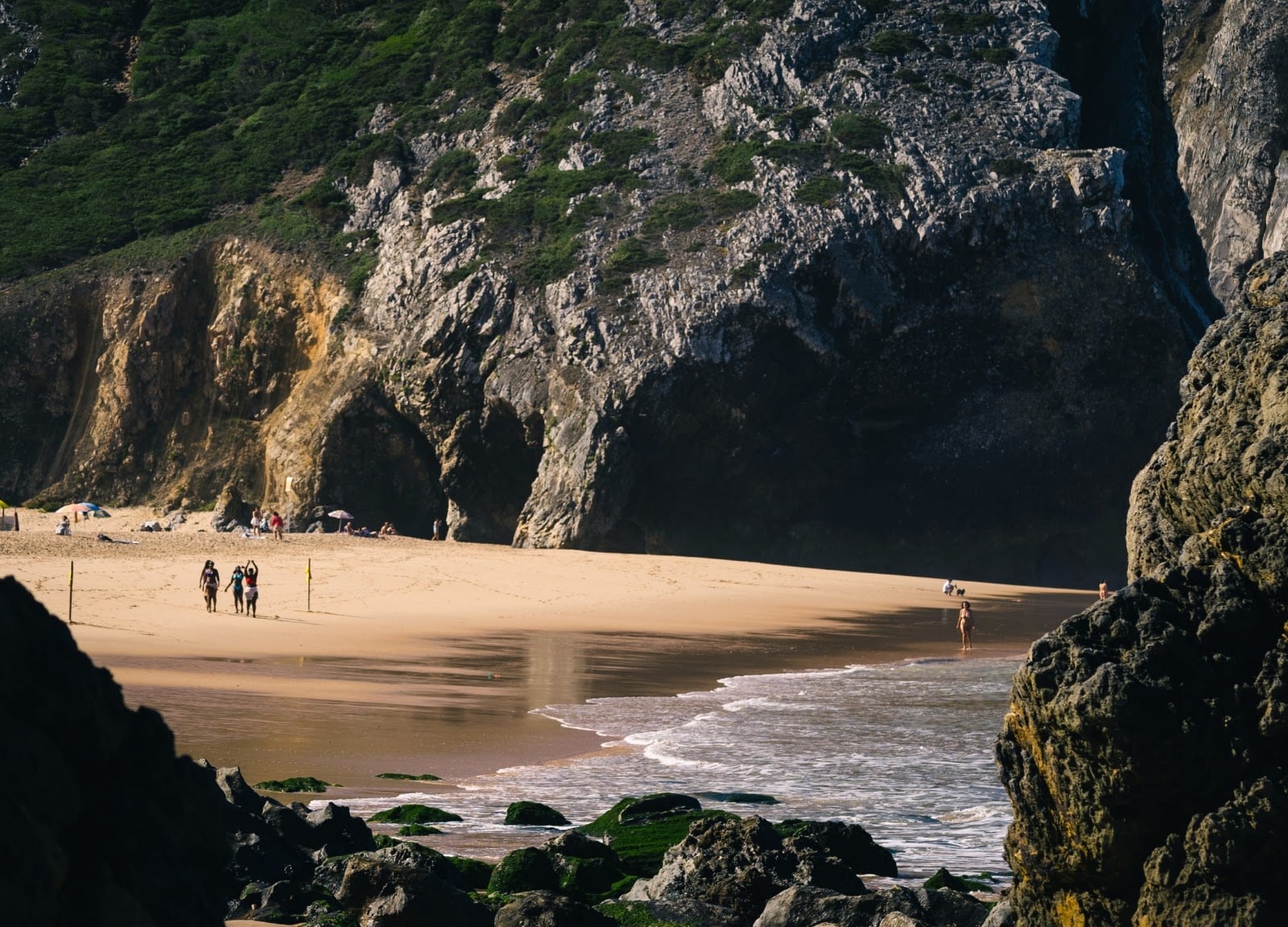
From morning coffee in Lisbon to an Atlantic afternoon in Cascais, one well-planned day reveals why Portugal rewards travelers who leave room for weather, lunch, and a little curiosity.
1. Plan the first full day, not the arrival day
Imagine beginning with coffee in Lisbon, wandering through a royal palace in Sintra, and reaching Cascais while the fishing harbor still catches the afternoon light. This is a satisfying spring or fall outing, but save it for after a proper night’s sleep. Many flights from the United States arrive in the morning after an overnight crossing, when enthusiasm can outrun energy.
Portugal follows a different daylight saving calendar from the United States, so the time difference briefly shifts in spring and fall. Check your actual travel dates rather than relying on the difference you remember. Keep arrival day gentle, with daylight, a neighborhood walk, and an early dinner.
2. Dress for three versions of the same day
Lisbon may greet breakfast with sunshine, while Sintra’s wooded hills hold mist and the coast delivers a brisk Atlantic wind. Spring and fall are appealing walking seasons, not promises of warm, dry weather. September can still feel summery; November generally asks more of your rain jacket.
Bring layers, a light waterproof shell, and shoes with dependable grip. Portugal’s patterned limestone pavements are beautiful, but smooth stones can become slippery when wet. For families and travelers who prefer fewer steep stretches, the important question is not simply how far a walk goes, but what lies underfoot. Leave the smooth-soled shoes for dinner.
3. Short distances still deserve generous timing
Lisbon to Sintra often takes around 40 minutes by road in light traffic, but congestion and access restrictions can change the calculation. A place that looks close on a map may involve winding roads, a separate transfer, or an uphill approach. Trying to collect every palace usually costs more pleasure than it adds.
Portugal Magik offers private touring in Mercedes-Benz vehicles, and a local driver/guide can shape the day around the guests, choosing a gentler walk, a longer lunch, or a different stop if rain arrives. The benefit is practical: nobody in the party has to navigate unfamiliar roads or spend the afternoon searching for parking.
Browse our travel inspiration for ideas, or tell us what kind of day you have in mind.
4. Choose one palace and let its story unfold
For this day, make the National Palace of Sintra your principal visit. Its two enormous conical kitchen chimneys rise above the historic center, a useful landmark before you understand anything about Portuguese royalty. Inside, tiled rooms and painted ceilings reveal a residence enlarged and reshaped across successive reigns.
The Swan Room takes its name from the birds painted overhead, while the Magpie Room offers another memorable ceiling to study. This is a different experience from racing between viewpoints at several monuments. Check current opening arrangements and book ahead where appropriate, especially around Easter and holiday weekends. Shoulder season does not make Sintra undiscovered.
5. English helps, but a little Portuguese changes the exchange
English is widely spoken in Lisbon, Sintra, and Cascais, particularly in hotels, restaurants, and visitor attractions. Americans generally find everyday arrangements straightforward here, though English is not universal. Start with bom dia in the morning and ask before assuming.
After the palace, settle into a café for a queijada de Sintra, a small cheese tart, or a travesseiro, the puff pastry filled with an almond-based mixture whose name means pillow. Order an espresso if that is what you want; a large American-style coffee is not the default. These small distinctions turn a refreshment stop into part of the day’s story.
6. Make lunch an appointment worth keeping
Head toward the coast with enough time for lunch rather than treating it as something to squeeze between sights. Many traditional restaurant kitchens work defined lunch and dinner services, so a late-afternoon arrival can leave fewer choices. Reserve a table if there is somewhere you particularly want to eat.
In Cascais, look for grilled fish or arroz de marisco, a brothy seafood rice that rewards an unhurried table. Ask whether whole fish is priced by weight and whether rice dishes serve more than one person. Bread, olives, and cheese brought before the meal are often charged if accepted and eaten. You can politely decline them untouched.
7. Compare the whole experience, not just the exchange rate
Portugal can offer appealing value to Americans accustomed to celebrated destinations in France, Italy, or Spain, particularly when a good meal depends on local fish and Portuguese wine rather than an international label. But central Lisbon, Sintra’s busiest streets, and waterfront Cascais are not uniformly inexpensive. Compare actual menus, rooms, and inclusions.
Ask for a Portuguese white by the glass, perhaps from the Lisboa wine region, rather than automatically choosing a familiar imported name. At payment, select euros if the terminal offers a dollar conversion; your card issuer’s conversion is generally preferable. Tipping is discretionary, not an automatic American-style percentage, and should reflect the service received.
8. Enjoy the ease without abandoning ordinary precautions
Cascais invites a relaxed afternoon around Praia da Ribeira and the old center. Its transformation into a fashionable seaside retreat accelerated when King Luís I established his summer residence here in 1870. Fishing boats and royal history share a surprisingly compact setting.
Portugal is generally a comfortable destination for visitors, but crowded tourist areas still attract opportunistic theft. Keep bags closed, avoid leaving valuables in a parked vehicle, and remain attentive around busy stations and trams. The emergency number is 112. Carry travel insurance details and necessary medication, too: feeling at ease works best when the practical matters are already handled.
9. Let the season decide the final stop
If conditions are pleasant, finish with the waterfront walk between Cascais and Estoril, turning back whenever you wish. The Atlantic remains cool beyond summer, and a bright afternoon does not necessarily mean swimming weather. Follow beach flags and local advice rather than judging the water from a café terrace.
Fall daylight shortens noticeably, especially after the late-October clock change, while spring evenings gradually open up. Check sunset before planning the return to Lisbon. The memorable part of this day need not be another ticketed attraction. It might be the palace chimneys, the almond crumbs, or ten quiet minutes watching boats settle in the harbor.
Plan your own day
Share your dates, group size and interests, and we will suggest a tailored plan with a local driver/guide.