Portugal’s coastal towns reward the traveler who leaves room for a long lunch and an unexpected story. These six places offer different versions of a memorable day, from royal summer shores to fishing harbors and tidal rivers.
1. Cascais, where a royal summer changed a fishing town
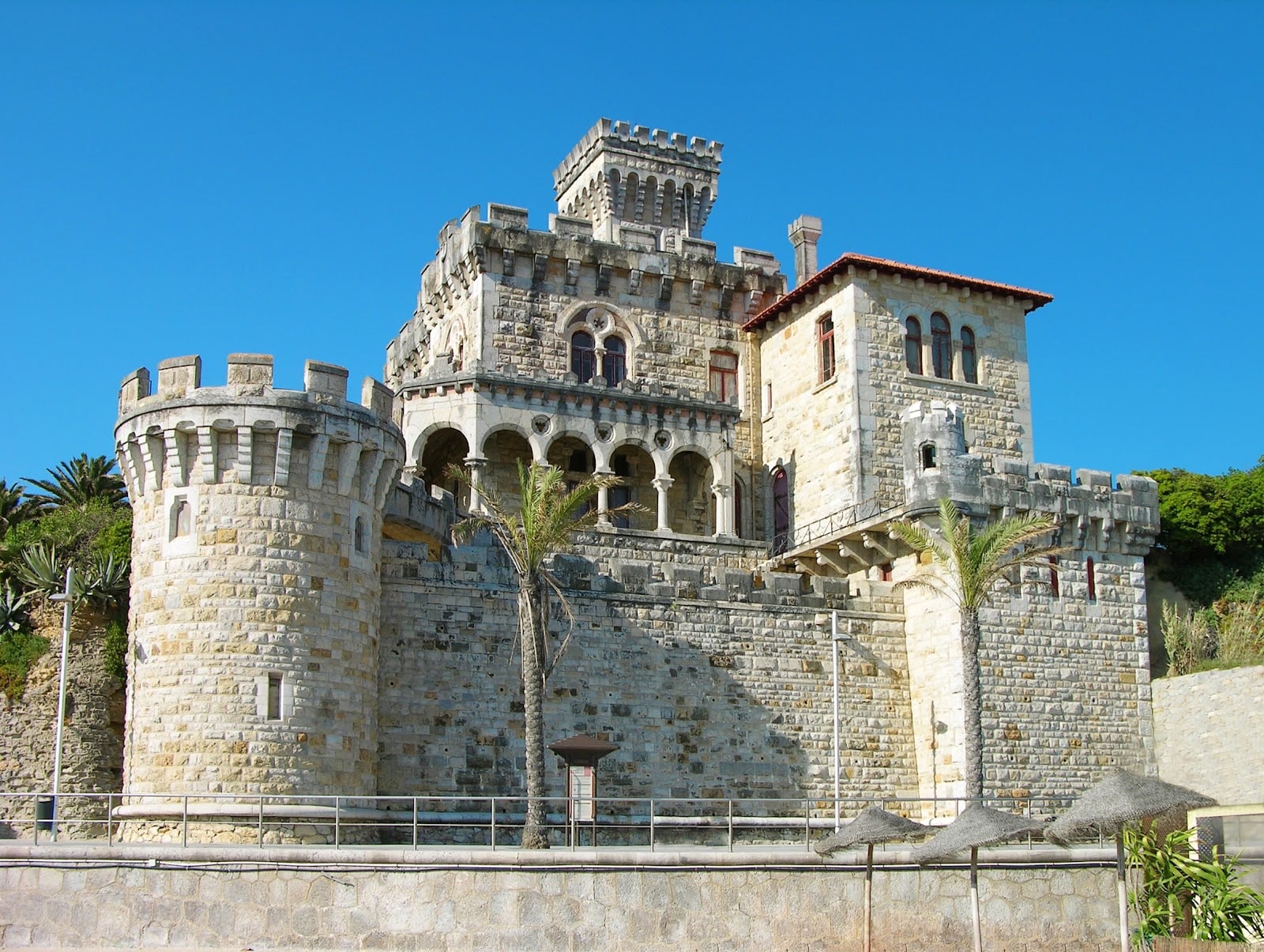
Start beside Praia da Ribeira, where the beach sits almost at the feet of the old town. Cascais became a fashionable summer retreat after King Luís I established his seasonal residence in the citadel in 1870. That royal chapter explains the handsome houses, but the fishing harbor keeps the setting grounded. Spend the morning walking toward the Museu Condes de Castro Guimarães, housed in a turreted residence beside a small inlet. Here, a day can feel full without requiring a formidable sightseeing schedule.
For Americans accustomed to negotiating unfamiliar roads on European vacations, Cascais offers welcome simplicity: a walkable center, plenty of English in visitor-facing businesses, and an easy coastal stroll toward Estoril. Lunch might be grilled sea bass with boiled potatoes and a chilled white from the Lisboa wine region. With Portugal Magik, a local driver/guide can shape the day around the guests, pairing time on foot with comfortable travel in a Mercedes-Benz vehicle. Leave the afternoon loose enough for another coffee beside the water.
2. Ericeira, where the harbor tells more than the surf
Ericeira’s white houses and blue trim are immediately appealing, but pause above Praia dos Pescadores before heading for the cafés. In October 1910, the Portuguese royal family departed from this shore into exile as the monarchy fell. Today, the beach below the retaining walls gives that national turning point a surprisingly intimate setting. Nearby lanes lead past seafood restaurants and small squares, while the wider coast draws surfers to the waves that earned Ericeira recognition as a World Surfing Reserve in 2011.
Build the day around the old center rather than a checklist of beaches. Browse in the morning, stop for lunch, then choose a clifftop viewpoint according to the wind. Order shellfish or grilled fish, checking the weight and price before agreeing to a whole catch. Mafra’s monumental palace is a short drive inland, making history and ocean scenery natural companions. For couples comparing this coast with busier Mediterranean resorts, the attraction is not an absence of visitors, but a working town with life beyond its beach season.
3. Sesimbra, where lunch is part of the local history
Approach Sesimbra with an appetite and begin above town at the castle. Its walls recall a medieval struggle for control of this coast, including its capture by Afonso Henriques in 1165. The view explains the settlement below: a sheltered bay, a ribbon of buildings, and the fishing port toward the western end. Descend for a waterfront walk before lunch. The beach and central streets sit close together, a useful arrangement for families whose ideal day includes both sand and somewhere comfortable to sit.
Fish is the reason to linger. Look for charcoal-grilled black scabbardfish or a fish rice dish, depending on the day’s menu, with a white wine from the Setúbal Peninsula. Ask what is fresh rather than treating a particular species as a promise. Nearby Arrábida adds wooded slopes and pale limestone to the afternoon, although summer road restrictions can affect access to some beaches. Not driving yourselves means those logistics need not dominate the conversation. The memory should be of lunch, the bay, and perhaps one last pause above the sea.
Browse our travel inspiration for ideas, or tell us what kind of day you have in mind.
4. Nazare, where two beaches tell very different stories
Give Nazaré a day in two chapters. Begin along the broad town beach, where racks used for drying fish connect the waterfront to older methods of preserving the catch. Then take the funicular to Sítio when it is operating, or arrive by road, for the view from the clifftop square. The sanctuary of Nossa Senhora da Nazaré speaks to the town’s long pilgrimage tradition. This is more than a surfing stop: faith, fishing, and the Atlantic have shaped the place together.
After a lunch of caldeirada, the Portuguese fish stew, turn toward the Fort of São Miguel Arcanjo and the outlook over Praia do Norte. The celebrated giant waves occur only under particular conditions, most often during the autumn and winter swell season. A summer visit may reveal an entirely different sea. For American families, that contrast offers a useful lesson: a famous photograph is not a daily forecast. Respect barriers and warning signs, and treat the ocean as scenery unless conditions and lifeguard guidance support swimming.
5. Tavira, where the coast begins with a river
Tavira asks you to slow down before you even see the open ocean. Begin beside the Gilão River, crossing the bridge traditionally called Roman, although its present form owes much to later rebuilding. Walk uphill to the castle garden, then descend through streets lined with tiled façades. The coast here belongs to the Ria Formosa lagoon system, so reaching the beach is a deliberate outing rather than simply stepping off the town promenade. That separation gives the morning a pleasing rhythm: history first, salt air later.
Allow time for the ferry to Ilha de Tavira, checking the seasonal departure point and timetable. A beach afternoon pairs well with a lunch featuring octopus or clams, both familiar ingredients in Algarve cooking. English is widely spoken in tourism settings, easing the practical details without erasing the pleasure of learning a few Portuguese words. Travelers comparing Portugal with France, Italy, or Spain should judge value meal by meal and season by season. Tavira’s persuasive offering is the combination of historic streets, lagoon scenery, and an afternoon that need not be crowded with plans.
6. Vila Nova de Milfontes, where the river changes the day
At Vila Nova de Milfontes, the Mira River reaches the Atlantic beneath the watch of the Fort of São Clemente, built around the turn of the seventeenth century to defend the river mouth against maritime attack. Start in the old center, then walk toward Praia da Franquia. The shifting light over the estuary is reason enough to stop. Farol beach brings you closer to the ocean, while Furnas lies across the river. These are distinct settings, not interchangeable swimming spots: tides, currents, and posted guidance matter.
Make lunch an Alentejo coastal affair, perhaps arroz de marisco followed by a regional sweet, and save time for the exposed shoreline beyond town. Unlike Cascais, Milfontes is better approached from a nearby base or as part of a longer journey than squeezed into a hurried Lisbon outing. Its appeal is spaciousness rather than a dense collection of monuments. Choose one town, give it the day, and let the coast supply the story.
Plan your own day
Share your dates, group size and interests, and we will suggest a tailored plan with a local driver/guide.