From Lisbon’s neighborhood tables to clay-pot wines in the Alentejo and terraced vineyards above the Douro, this tailored itinerary follows the stories behind the glass. One afternoon near Monsaraz may become the day you remember best.
Day 1: Arrival in Lisbon, a First Taste of Portugal
Begin in Lisbon with an afternoon gentle enough to accommodate an overnight flight, walking through Chiado before descending toward Praça do Comércio, where the broad riverfront square introduces the city’s long relationship with maritime trade. The buildings around you largely belong to the reconstruction following the earthquake of 1755, a useful first reminder that Portugal’s beauty often carries a story of reinvention. At dinner, order grilled fish with a glass of Arinto from the Bucelas appellation, whose bright acidity offers an inviting introduction to Portuguese whites. Portugal Magik’s private driver/guide handles the driving and pacing in a Mercedes-Benz vehicle, shaping the day around your arrival and appetite rather than a fixed sightseeing checklist. Stay overnight in Lisbon, leaving the more ambitious exploring for rested eyes.
Day 2: Evora, Roman Stones and Alentejo Reds
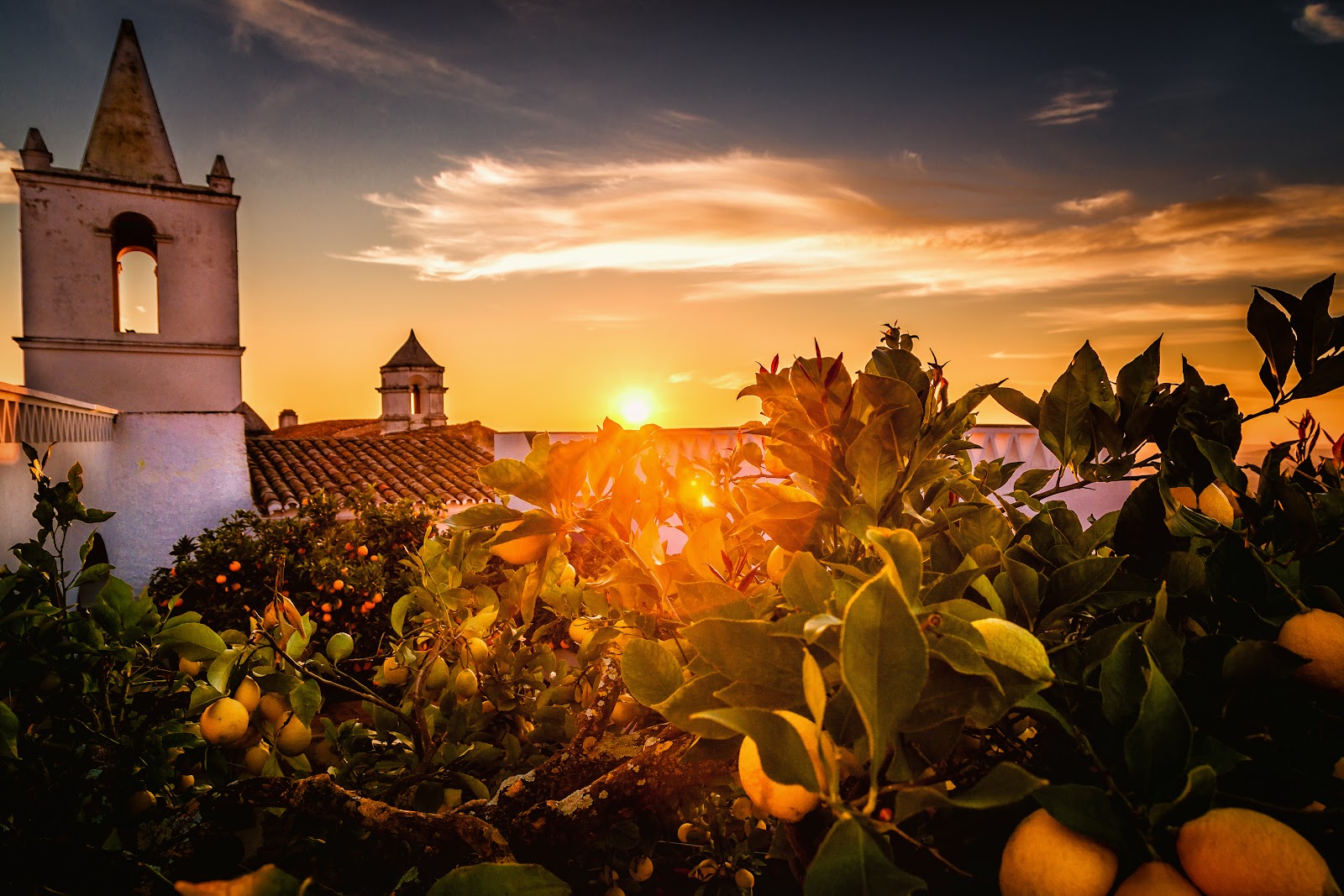
Leave Lisbon after breakfast for Évora, allowing roughly an hour and a half of driving before the landscape opens into cork oaks, pasture and the broad horizons that give the Alentejo its particular sense of space. Within the old walls, visit the Roman Temple and wander toward Praça do Giraldo, noticing how whitewashed houses and yellow borders sit alongside architectural traces of very different centuries. Lunch might be açorda alentejana, the bread-based preparation scented with garlic and coriander, with a local white rather than automatically reaching for red. Later, a prearranged tasting at Adega Cartuxa introduces the region’s generous blends and grapes such as Aragonez and Trincadeira, with enough time to discuss their differences instead of simply collecting labels. Stay overnight in Évora, when the streets become quieter and the stone takes on the evening light.
Day 3: Clay-Pot Wine and the View from Monsaraz
Make this the day to remember: travel to São Pedro do Corval for a look inside a working pottery shop, where the shelves connect the region’s clay to everyday life rather than treating it only as decoration. Continue to nearby Herdade do Esporão for a booked visit that, when available, explores talha wine, made in large clay vessels through a tradition with roots in Roman times. The revealing moment is the contrast between that ancient vessel and the fresh wine in your glass, a reminder that old methods do not necessarily produce heavy flavors. Over lunch, look for black pork with migas, then climb into Monsaraz and walk the castle walls above the vast Alqueva reservoir, created by a dam rather than nature. Return to Évora for the night, carrying a pottery purchase if something caught your eye.
Browse our travel inspiration for ideas, or tell us what kind of day you have in mind.
Day 4: Estremoz and Borba, Marble Beneath the Vines
Head north to Estremoz, where pale marble appears in doorframes, paving and substantial public buildings, making the local geology part of an ordinary morning walk rather than something confined to a museum. Explore the upper town around the castle before continuing to Borba, another center of the marble industry and a useful counterpoint to yesterday’s estate visit. Arrange a tasting at Adega de Borba, founded in 1955, to understand how a cooperative brings the work of many growers into a shared winemaking enterprise. A lunch of slow-cooked lamb, when offered, suits the savory depth of an Alentejo red, while a conversation about the vintage adds more than a second formal tasting would. Return to Évora for a final overnight, keeping the afternoon loose enough for a favorite street or another coffee in the shade.
Day 5: North Through Coimbra to the Douro
Treat the journey from Évora to Pinhão as a proper travel day, with around five to six hours of driving before stops, rather than trying to squeeze a vineyard appointment into the late afternoon. Break in Coimbra for lunch and a walk through the lower town, where the lanes around the Church of Santa Cruz offer a manageable introduction without committing to a full university visit. Order chanfana, goat slowly cooked with red wine, if it appears on the menu, and let lunch provide the day’s food story while the scenery does the rest. On the final approach to the Douro, broad inland landscapes give way to steep slopes cut into vineyard terraces, a striking change from the Alentejo’s open country. Stay overnight in Pinhão, with a simple dinner and no further obligations.
Day 6: Pinhao, Vineyard Terraces and Wines Worth Comparing
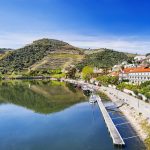
Start at Pinhão railway station, where tile panels depict vineyard work and river transport, giving faces and gestures to the landscape you saw from the road yesterday. Then visit Quinta do Bomfim by appointment, using the tasting to explore port’s production and the importance of the Douro’s hot summers, steep terrain and schist soils. After lunch, a separately booked tasting at Quinta de la Rosa can shift attention toward dry Douro wines, making clear that the region’s identity extends well beyond fortified bottles. Between visits, your local driver/guide can shape the afternoon around the guests, choosing more vineyard conversation or a longer lunch rather than adding stops simply because they fit on a map. Stay overnight in Pinhão, and pair dinner with a dry red whose grapes now have a landscape attached to their names.
Want this route shaped around your own dates and pace?
Day 7: Lamego and the Human Story of the Douro
Drive to Lamego for the Sanctuary of Nossa Senhora dos Remédios, whose monumental staircase climbs through terraces decorated with tiles, fountains and sculptural details that reward looking closely rather than racing upward. Approach the upper sanctuary by road if the full stairway is unappealing, leaving energy for the town and a lunch featuring presunto, the cured ham associated with the area. Continue to Peso da Régua and the Museu do Douro, where the region’s wine culture becomes a story of labor, commerce and the people who shaped these slopes. Its context makes the 1756 demarcation of the Douro feel less like a date to memorize and more like a turning point in how a landscape was organized and valued. Return to Pinhão for the night and a final Douro dinner.
Day 8: Back to Lisbon, with Bottles and Stories
Leave Pinhão after breakfast for Lisbon, allowing roughly four and a half to five hours of driving before breaks and keeping the evening free of any flight connection that would turn the return into a race. Make Óbidos your principal stop, stretching your legs within its medieval walls and choosing a modest lunch rather than another elaborate tasting after several days devoted to wine. A small serving of ginjinha, the sour cherry liqueur associated with the town, provides a different Portuguese flavor, though coffee is equally welcome before continuing south. Back in Lisbon, settle in before a final dinner in the Príncipe Real neighborhood, perhaps choosing an Alentejo white to revisit the journey without repeating its richest meals. Stay overnight in Lisbon, with departure planned for the following day.
Plan your own day
Share your dates, group size and interests, and we will suggest a tailored plan with a local driver/guide.