
Portugal’s wine regions can meet around one Lisbon table, from Atlantic whites to a golden glass of aged Port. Make a day of small pours, good food and the stories behind unfamiliar labels.
1. Bucelas Arinto, a bright beginning near the Tagus
Begin late in the morning at Praça do Comércio, where Lisbon opens toward the Tagus, then leave time for a leisurely lunch and an afternoon tasting. This is a day for discovering Portugal through its wines, not racing between distant vineyards. Portugal Magik’s local driver/guide can shape the day around the guests, using a Mercedes-Benz vehicle for transfers and leaving room for walking, shopping or simply staying longer at the table.
The first wine to seek is Bucelas, from a small appellation north of Lisbon known for whites based on Arinto. Its lively acidity and citrus character make a clear introduction to Portuguese wine. Order it with clams prepared à Bulhão Pato, with garlic, coriander and olive oil. For Americans accustomed to Sauvignon Blanc, the freshness feels familiar, but the grape and the place are distinctly Portuguese.
2. Colares Ramisco, a coastal story worth seeking out
Before lunch gathers momentum, ask whether the wine list includes a red Colares made from Ramisco. Availability is limited, so this is a bottle to request ahead rather than expect everywhere. Its home lies near Sintra, where vines traditionally grow low in sandy soils, protected from Atlantic winds by barriers of reeds.
Those sands helped preserve ungrafted vines when phylloxera devastated much of Europe’s vineyards in the nineteenth century. Ramisco can be pale in color yet firm with tannin and acidity, especially when young. An older bottle offers a particularly compelling conversation over food. Americans who collect Burgundy or Barolo may appreciate the lesson: intensity does not require dark color, and a tiny growing area can carry an enormous story.
3. Alvarinho from Monção and Melgaço, beyond the familiar green bottle
For the next white, look north to Monção and Melgaço, a subregion of Vinho Verde beside the Minho River. Alvarinho here can be dry, fragrant and substantial, with citrus and stone-fruit notes. It need not have the slight fizz associated with inexpensive Vinho Verde sold in American supermarkets.
Vinho Verde is a regional designation, not a promise that every wine will taste alike. That distinction becomes memorable beside grilled prawns or a plate of simply cooked fish. A Lisbon lunch lets you explore it without adding a long northern journey to the day. English is widely spoken in central Lisbon’s visitor-facing restaurants and wine bars, making questions about grapes, vintages and serving sizes straightforward rather than intimidating.
Browse our travel inspiration for ideas, or tell us what kind of day you have in mind.
4. Dão Encruzado, a white to linger over at lunch
As lunch slows, Encruzado introduces another side of Portuguese white wine. The grape is closely associated with the Dão, an inland region around Viseu, sheltered by surrounding mountain ranges. Depending on the producer and winemaking, it can offer a combination of freshness, texture and the capacity to develop in bottle.
If white Burgundy is your usual restaurant choice, ask for an Encruzado with some barrel aging, while remembering that it is an introduction, not an imitation. Try it with roasted fish or chicken rather than reserving white wine only for shellfish. Portugal’s less internationally familiar appellations can offer rewarding alternatives to celebrated French and Italian labels; compare producers and vintages on the actual list rather than assuming every Portuguese bottle is a bargain.
5. Bairrada Baga, a red that makes more sense with food
After lunch, give the glasses a rest. Browse the shops in Chiado or pause over coffee before a prearranged afternoon tasting. Lisbon’s central neighborhoods sit close together, although hills, cobbles and traffic make short distances deceptive. Comfortable shoes and a manageable route matter more than squeezing in another landmark.
When you return to wine, seek Baga from Bairrada, the region between the Coimbra and Aveiro areas. The grape often brings pronounced tannin and acidity, making food an especially useful companion. Its classic regional partner is leitão da Bairrada, roast suckling pig with crisp skin. If that is unavailable, ask for a suitable pork dish. Pinot Noir drinkers may recognize the appeal of lighter color and freshness, but should expect a different tannic structure.
6. Douro red, the valley beyond Port
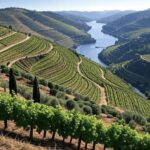
The Douro’s terraced vineyards produce much more than fortified wine. Dry reds often blend grapes such as Touriga Nacional, Touriga Franca and Tinta Roriz, the Portuguese name used here for Tempranillo. A thoughtfully chosen glass can bring dark fruit, floral aromas and a firm structure without overwhelming the rest of dinner.
For Americans who enjoy Napa Cabernet, this is an inviting point of entry, though Douro reds vary greatly in weight and oak influence. Ask for a balanced example to accompany roast lamb or beef. The historical detail to carry home is 1756, when the Douro wine region was formally demarcated under the Marquis of Pombal. Its wine story is also one of regulation, trade and generations of demanding vineyard work.
7. Alentejo talha wine, an ancient method still at the table
For a change of direction, ask about vinho de talha from the Alentejo. This is wine made in large clay vessels using a tradition with Roman roots. In places such as Vila de Frades, near Vidigueira, the vessels remain part of a living local wine culture rather than simply museum objects.
Talha wines can be white or red, and their character depends on the grapes and methods used. Ask what is in the glass instead of expecting a single flavor profile. Bread, olives and cured pork make an appropriate accompaniment. Not every Lisbon venue stocks these wines, so arranging the selection beforehand helps keep the day relaxed. Treat the eight wines as shared discoveries, with tasting measures and water, not eight full glasses per person.
8. Aged tawny Port, a gentle finish after dinner
End with a small glass of aged tawny Port, perhaps a 10- or 20-year-old indication. These age statements describe the style and character of a blend matured in wood, rather than identifying a single harvest. Expect flavors that may suggest walnuts, dried fruit and caramel, served lightly chilled rather than warm.
An almond tart makes a lovely companion, although the wine can be dessert enough. There is no need to travel to Porto to appreciate it tonight, and no need to drive afterward. For couples, families with adult wine enthusiasts or retirees accustomed to European wine journeys, Lisbon offers an unusually easy introduction to a varied country. The lasting souvenir is not a completed checklist, but the wine you want to order again.
Plan your own day
Share your dates, group size and interests, and we will suggest a tailored plan with a local driver/guide.