Across the Tagus, a day among Palmela, Azeitão and the Arrábida hills turns unfamiliar grape names into stories worth remembering. There is Castelão with lunch, Moscatel in the cellar, and enough sea air to keep the afternoon unhurried.
Across the river, with one question
Leave Lisbon after breakfast with a simple question: what does Portugal taste like when you look beyond the familiar international grapes? Across the 25 de Abril Bridge, the city gives way to the Setúbal Peninsula, where vineyards share the landscape with stone villages, umbrella pines and the limestone heights of Arrábida. You do not need a notebook full of tasting terms. Curiosity, a little appetite and a willingness to pronounce Castelão badly the first time will do.
This is a day to build around Palmela and Azeitão rather than a race between cellars. With Portugal Magik, the journey unfolds in a Mercedes-Benz vehicle, and a local driver/guide can shape the day around the guests, allowing more time for a castle view, a wine conversation or lunch. Book any estate visit beforehand and explain that you are interested in grape varieties. That small detail can make the tasting much more revealing.
Palmela gives Castelão a landscape
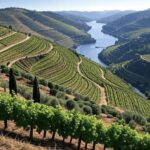
Start on the hill at Palmela Castle. Its walls carry the history of medieval conflict and the Order of Santiago, but the view is also a useful introduction to wine. The peninsula is not one uniform vineyard. Atlantic influence, the Tagus and Sado estuaries, sandy ground and limestone slopes all help create different growing conditions. Look out across the country below and the word terroir begins to feel less like restaurant vocabulary.
Castelão is the red grape to remember here, particularly in the sandy vineyards around Palmela. It can give wines with red fruit, earthy or herbal notes and a firm structure, though age and winemaking change the result considerably. Some bottles are lively companions for lunch; others reward patience. Ask whether your wine is entirely Castelão or a blend. Portuguese winemakers have long valued the way different grapes work together, so a label need not tell a single-variety story.
You may also hear the name Periquita associated with Castelão. It is a useful conversation starter, but not a simple interchangeable label: Periquita is also the historic José Maria da Fonseca wine brand.
Azeitão, where a cellar tells the longer story
Continue to Vila Nogueira de Azeitão, where the José Maria da Fonseca house museum offers a tangible link to the peninsula’s wine history. The company was founded in 1834, and its visitor experience brings together the family story and old cellars. Confirm the available tour and tasting when reserving, since wines and formats vary. The point is not to collect as many glasses as possible, but to understand why these particular wines belong here.
Moscatel de Setúbal provides the day’s great change of register. The grape is Muscat of Alexandria, an aromatic variety capable of suggesting blossom, citrus peel and ripe grapes. In the fortified wine, fermentation is stopped by adding grape spirit, preserving sweetness. Extended contact with the skins helps build its distinctive aromatic character. Wood ageing can bring deeper notes of dried fruit, nuts and spice. The familiar scent of a fresh grape becomes something altogether more layered.
Browse our travel inspiration for ideas, or tell us what kind of day you have in mind.
The pink grape and the white grapes
If Moscatel Roxo is available, make room for the comparison. This pink-skinned mutation of Muscat of Alexandria has a particularly strong association with the Setúbal Peninsula. Its wines can offer striking floral aromas and a delicate, persistent character. It is not simply a darker version of the same drink. Taste slowly, then ask what comes from the grape and what comes from the years in the cellar. Even an experienced host may answer with a story rather than a tidy formula.
For a fresh white, look for local bottles featuring Fernão Pires or Arinto, whether at the estate or over lunch. Fernão Pires often contributes generous floral and fruity aromas; Arinto is valued for its acidity and citrus character. A blend can let one supply fragrance while the other lends freshness. These are tendencies, not promises. Weather, vineyard site and the producer’s choices matter, which is precisely why two wines bearing the same grape name can make such different impressions.
Lunch makes the names easier to remember
Stay in Azeitão for lunch and let the food carry the lesson. Queijo de Azeitão, the small, soft sheep’s milk cheese coagulated with cardoon, has protected designation of origin status. Its rich texture and assertive flavour deserve good bread and attention. Try a mouthful with your wine rather than accepting a rigid pairing rule. A bright white may provide contrast; a red may change noticeably beside the cheese.
Depending on the restaurant and the day’s menu, grilled fish offers another reason to revisit Arinto, while roast lamb or pork can give Castelão something substantial to meet. If choco frito appears, remember its close association with nearby Setúbal: this is fried cuttlefish, commonly served with chips and lemon. Finish with a torta de Azeitão, the tender, rolled egg-based sweet scented with cinnamon. After all the talk of acidity and tannin, an ordinary lunch table makes the vocabulary feel useful.
Arrábida puts the afternoon in perspective
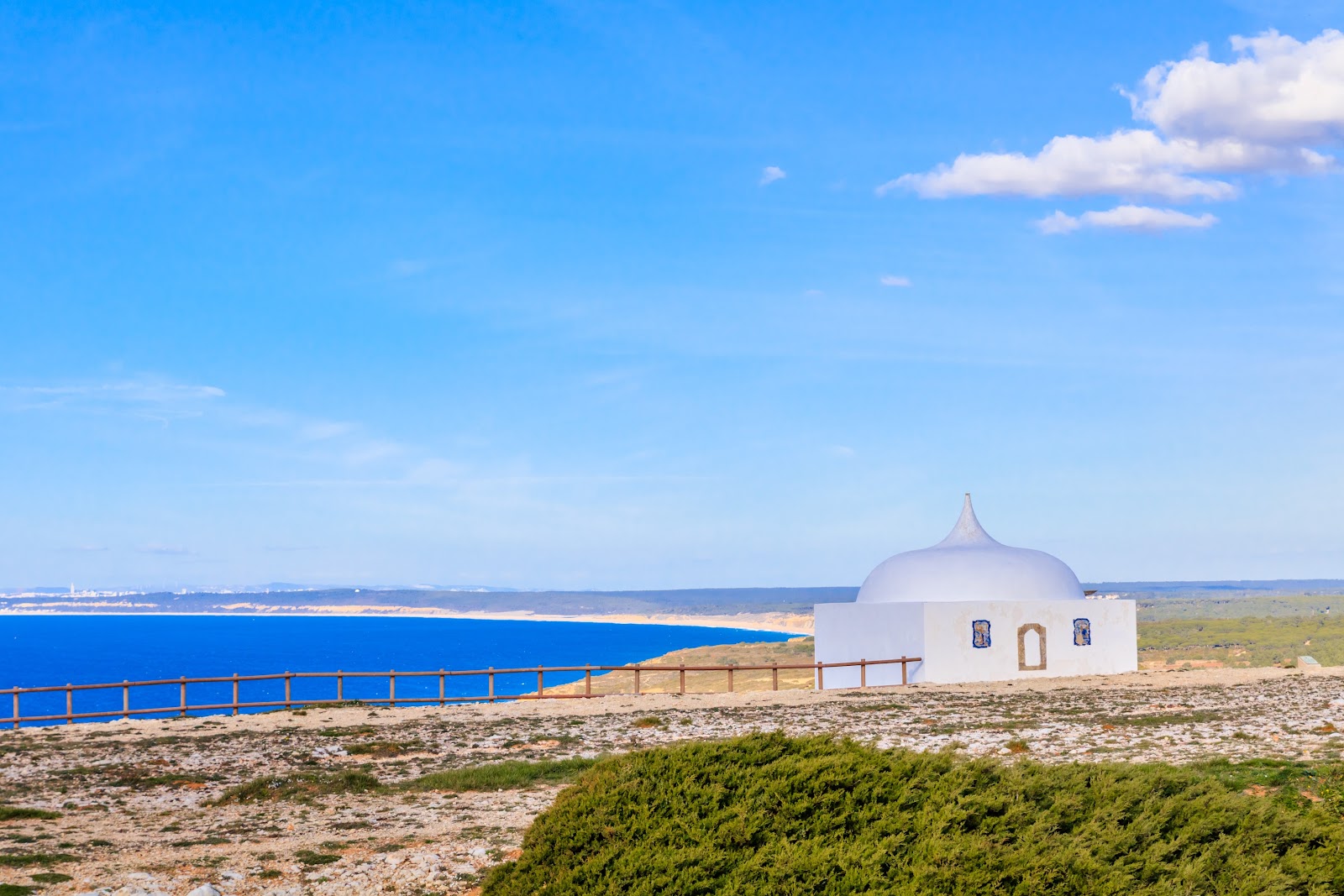
After lunch, turn towards Arrábida for a coastal viewpoint, choosing the route according to weather and current road restrictions. Seasonal access measures can affect roads near the beaches, so this is not the moment to insist on a fixed sequence of stops. From the hills, the blue water and pale shoreline provide a welcome pause after the enclosed atmosphere of the cellars.
On the return to Lisbon, the grape names should have acquired places to live in your memory. Castelão belongs to the country beneath Palmela’s walls. Moscatel recalls a cellar in Azeitão and the scent of orange peel. Arinto brings back the first fresh sip beside lunch. Portugal has many more varieties, but one attentive day need not explain them all. It only needs to leave you confident enough to open the next wine list and ask a better question.
Plan your own day
Share your dates, group size and interests, and we will suggest a tailored plan with a local driver/guide.