Follow a single day from Aveiro’s painted boats and convent sweets to the striped houses of Costa Nova. Along the way, the lagoon reveals the working stories behind some of Portugal’s most cheerful scenery.
Morning beside the Canal Central
Begin beside Aveiro’s Canal Central, before deciding what the day ought to become. A painted boat passes beneath a bridge, its high bow carrying a scene that rewards a second look. Across the water, decorative façades catch the morning light. There is something immediately welcoming about this small city, but its prettiness is only the first chapter. The canals belong to a much larger story of salt, fishing, shifting sands and people learning to work with water.
Aveiro sits beside the Ria de Aveiro, a coastal lagoon connected to the Atlantic. Although the city is often compared with Venice, that shorthand misses its particular character. These waterways served a working landscape of salt pans and lagoon traffic. Start around Praça Humberto Delgado, then follow the canal toward Rossio. There is no need to march through a checklist. A coffee, a look across the water and a little curiosity are enough to set the morning moving.
The Boats Have Something to Say
The moliceiro is Aveiro’s most recognizable boat, with a shallow hull and dramatically curved ends. Traditionally, these vessels gathered moliço, aquatic vegetation from the lagoon that was used to fertilize agricultural land. Their shape was a practical response to shallow water, not an invention for holiday photographs. Today, boats adapted for sightseeing carry visitors along the urban canals, offering a different perspective on the quays and bridges.
Before boarding, spend a moment looking at the painted panels. Religious subjects, scenes of everyday work, historical figures and earthy jokes all belong to the tradition. Some captions are cheekier than their bright colors initially suggest. A guided canal ride can help connect those details with the city around you, though routes and operation depend on the operator and conditions. If you would rather stay ashore, the boats are equally engaging from the waterfront. Watch one turn, and the old relationship between hull, pole and shallow lagoon becomes easier to imagine.
Curved Windows and a Very Small Sweet
Back on foot, look up along Rua João Mendonça. Aveiro’s Art Nouveau buildings bring floral ornament, ironwork and flowing lines to the canal front. The Museu Arte Nova occupies the former Casa Major Pessoa on Rua Dr. Barbosa de Magalhães, making it a useful stop for anyone drawn to the architecture. Even without going inside, the façade invites a slower kind of looking. This is a good moment to leave the camera lowered and notice how much decoration fits around a single window.
Then find ovos moles. These egg yolk and sugar sweets are associated with Aveiro’s convent tradition, particularly the former Convent of Jesus. The familiar wafer versions come shaped like shells, fish and other maritime forms, their pale casing giving way to a rich golden filling. Buy a small portion from a specialist confectioner and eat it slowly. The contrast is the pleasure: a fragile, almost weightless exterior followed by concentrated sweetness. Coffee makes a welcome companion, especially before the afternoon turns toward salt air.
Browse our travel inspiration for ideas, or tell us what kind of day you have in mind.
Following the Lagoon toward Lunch
The journey west toward Costa Nova takes you out of the city and across a landscape shaped by the lagoon. Aveiro’s fortunes have long depended on its connection with the ocean. As the coastal entrance became obstructed in earlier centuries, navigation and local prosperity suffered. The opening of an engineered sea entrance at Barra in 1808 was a decisive change. Water here is not simply a view. Its movement has helped determine where people settled and how they earned their living.
For lunch, let the coast set the direction without assuming every restaurant serves the same dishes. Look for grilled fish, caldeirada, a Portuguese fish stew, or a seafood rice to share where available. Eels also have a place in the lagoon’s food traditions, including in stews and escabeche preparations. Ask what is fresh and how it is served before ordering. A restaurant facing the ria offers a gentler outlook than the oceanfront: boats, changing light and water that seems to hold the sky.
Costa Nova beyond the Stripes
Costa Nova’s striped houses deliver their promised delight, especially along Avenida José Estêvão beside the lagoon. Red, blue, green and yellow bands make an ordinary walk feel unexpectedly festive. Their story begins with the palheiros, wooden buildings associated with fishing life and the storage of equipment. Over time, many were adapted as dwellings and holiday homes. The brightly striped façades familiar today belong to that evolving history, rather than to a village built all at once for visitors.
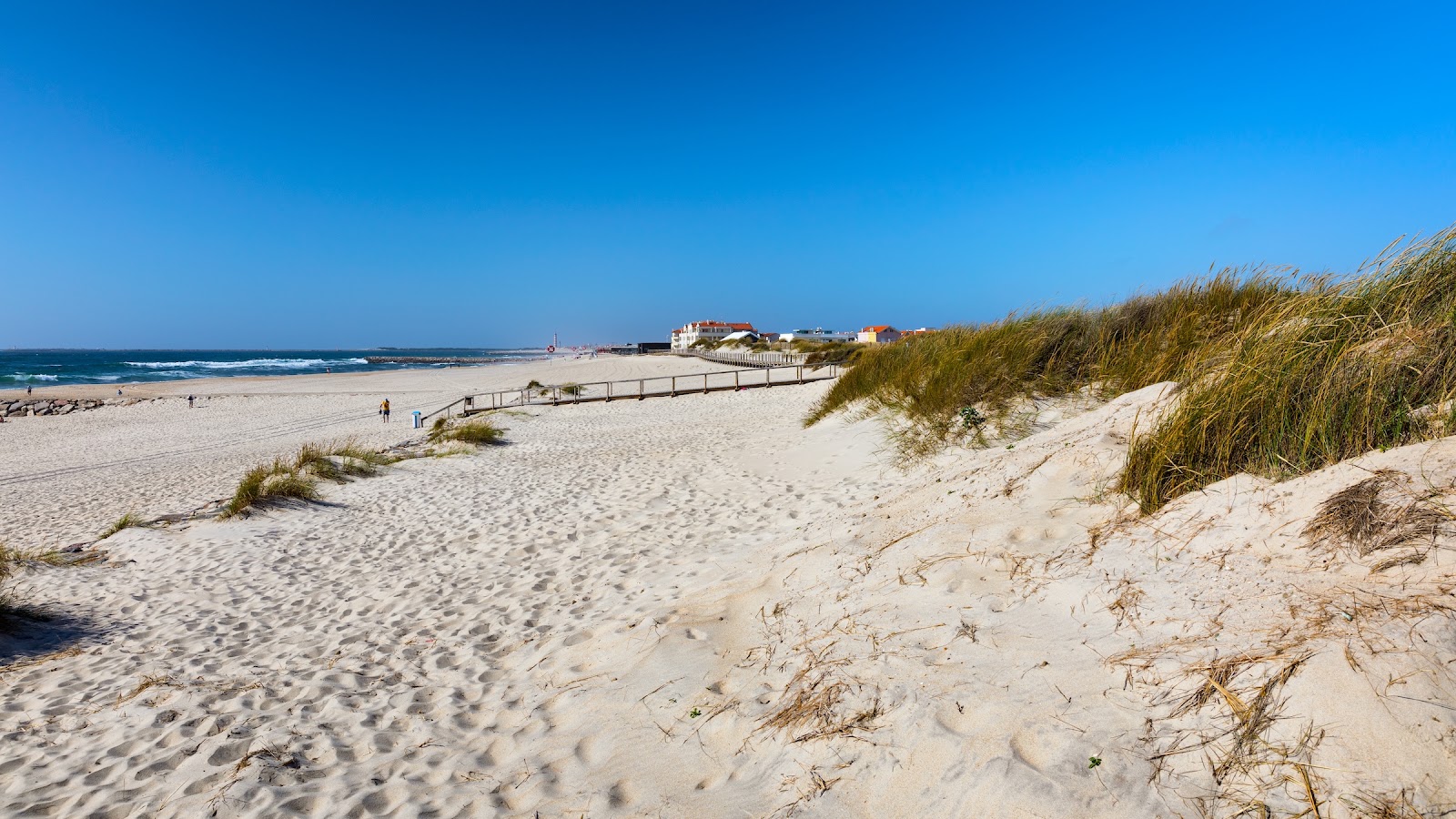
Walk beyond the first cluster of people taking pictures. Some buildings preserve a modest scale; others show how the architectural idea has been reinterpreted. These are also homes and businesses, so enjoy the façades without blocking doorways or stepping onto private property. Then cross toward the Atlantic side. The change is striking: sheltered lagoon water gives way to dunes, a broad sandy beach and the sound of surf. Keep to designated paths through the dunes, and let the wind supply the afternoon’s final change of mood.
Leave Room for the Last Pause
If there is energy left, nearby Praia da Barra offers another coastal scene, with its red and white lighthouse rising above the town. Otherwise, stay in Costa Nova for a final walk beside the ria. The memorable ending may be nothing more elaborate than watching the colors of the houses soften as the light changes.
With Portugal Magik, a local driver/guide can shape the day around the guests, allowing more time for architecture, a canal ride or an unhurried lunch, with travel between stops in a Mercedes-Benz vehicle. That flexibility suits this stretch of coast. Aveiro and Costa Nova reward attention more than speed, and their brightest details mean more once you know the work and water behind them.
Plan your own day
Share your dates, group size and interests, and we will suggest a tailored plan with a local driver/guide.