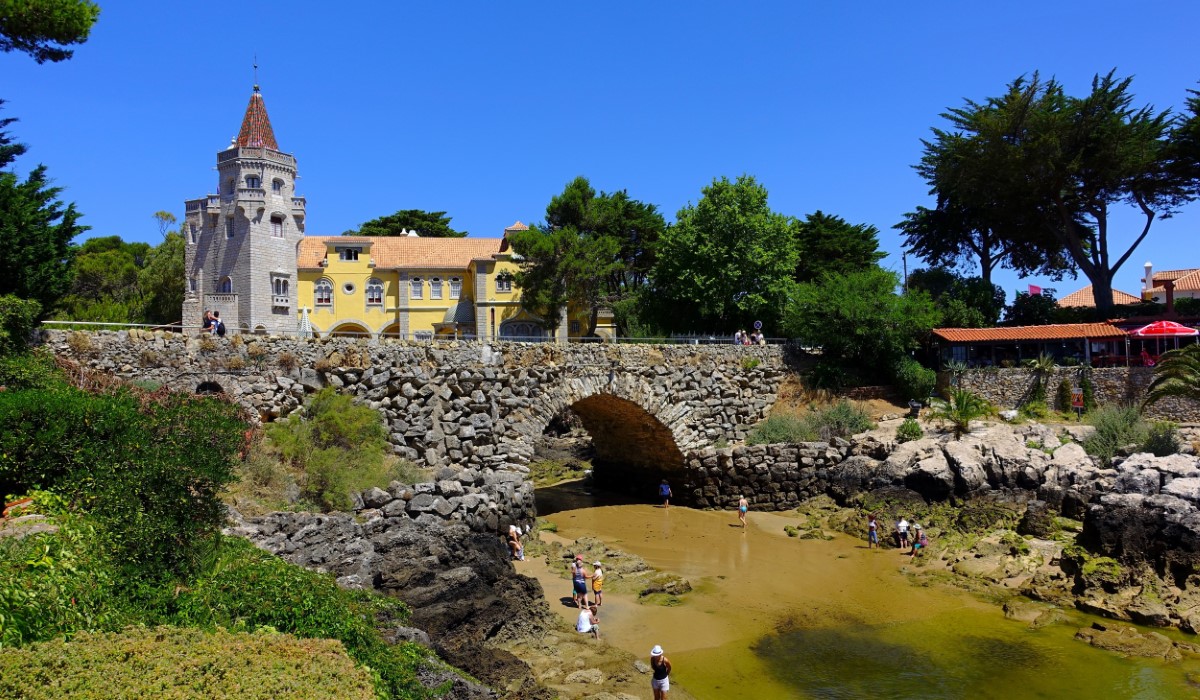
Italy deserves its place on every travel wish list, but Portugal often asks less of the person organizing the trip. A day from Lisbon to Cascais shows how history, good food and Atlantic scenery can come together without constant logistical decisions.
1. A memorable day can begin without changing hotels
Start with a Lisbon hotel breakfast and finish in the same room, with a monastery, a fishing harbor and an Atlantic headland between them. That is the quiet advantage of a day through Belém and Cascais: the scenery changes substantially, but your suitcase stays put. For Americans who have already negotiated Rome, Florence and the Amalfi Coast, this compactness feels particularly welcome.
Italy also rewards trips built around one base. Portugal’s advantage here is the proximity of very different experiences around its capital. Belém sits west of central Lisbon, while Cascais lies roughly 30 kilometers west of Belém. Traffic still matters, but this is a day organized around visits rather than long transfers.
2. The first coffee rarely requires a language rehearsal
In Belém, the morning begins with a small, practical pleasure: ordering coffee without feeling that you are taking an oral examination. English is widely spoken in Lisbon’s visitor-facing cafés, hotels and attractions, and in Cascais. That makes questions about ingredients, entrances or the nearest restroom easier, especially for families and travelers managing dietary needs.
At Pastéis de Belém, which began selling its famous custard pastries in 1837, order a pastel de Belém and take a moment over the crisp pastry and warm filling. A polite bom dia still matters. English is not universal, nor is it absent in Italy, but Portugal often makes those first everyday exchanges feel pleasantly straightforward.
3. History comes with a clear story, not an endless checklist
A short walk brings you to the Jerónimos Monastery, commissioned by King Manuel I in the early sixteenth century. Its Manueline stonework draws on maritime imagery, while Vasco da Gama’s tomb in the church connects the building to Portugal’s ocean voyages. The story also deserves its complications: overseas expansion brought conquest, exploitation and the trade in enslaved people.
For this day, one substantial monument is enough. There is no need to turn Belém into a race through every museum and landmark. Italy’s extraordinary abundance can tempt experienced travelers into overbooking; here, choosing a single historical anchor leaves room to absorb it. Check current opening arrangements and ticket requirements, since the church and cloister have separate visiting arrangements.
Browse our travel inspiration for ideas, or tell us what kind of day you have in mind.
4. You can leave the driving decisions to someone else
After Belém, the road west follows the Tagus toward the Atlantic. The point is not that Portuguese roads are effortless or Italian roads impossible. It is that this particular itinerary works well without learning parking rules, navigating unfamiliar junctions or deciding who will forgo wine at lunch. Portugal has toll roads and restricted-access streets too.
Portugal Magik offers private driving and guided touring in Mercedes-Benz vehicles, and a local driver/guide can shape the day around the guests: more time at the monastery, an earlier lunch or a shorter walk. Comfortable private pacing is especially useful when one traveler loves architectural detail and another would rather be sitting beside the water.
5. Lunch can be excellent without becoming a research project
By lunchtime, Cascais supplies a different setting: fishing boats, sheltered beaches and streets leading back from the bay. Choose a restaurant with a clearly displayed menu and ask what fish is available that day. Grilled sea bass or sea bream, boiled potatoes and vegetables make a satisfying meal without elaborate ordering. Sardines are especially associated with the warmer months.
Portugal often offers good everyday dining value compared with heavily visited parts of Italy, although a waterfront address is no promise of a bargain. Ask whether whole fish is priced by weight. Bread, olives and other couvert items brought to the table are generally charged if consumed; decline anything unwanted. Those two small checks keep the bill as enjoyable as the meal.
6. Discovering the wine does not require a separate excursion
The wine list can carry the afternoon somewhere new without another drive. With grilled fish, look for an Arinto from Bucelas, the small wine appellation north of Lisbon known for white wines with lively acidity. A glass makes a useful introduction, especially when you want lunch to remain lunch rather than become a formal tasting.
Americans familiar with Tuscany or Piedmont may find Portuguese labels less recognizable, but that can be part of the pleasure. Ask for the producer, region and price before choosing. Portuguese wines can offer compelling value, although restaurant markups vary. You do not need to master the country’s grape varieties to find something distinctive and enjoy the view.
7. A gentle afternoon does not mean missing the place
After lunch, walk beside Praia da Ribeira and look toward the Cascais Citadel. The town’s transformation from fishing settlement to fashionable seaside retreat gathered momentum when King Luís I established his summer residence here in 1870. That history helps explain the handsome villas and the sense that the waterfront was made for lingering.
Portugal is generally considered a safe destination, but ordinary precautions still apply: watch belongings in crowded areas and leave nothing visible in a parked vehicle. Cascais offers relatively level waterfront stretches, useful for mixed-generation groups, though cobbles and uneven surfaces remain. Lisbon itself is hilly. The ease comes from choosing the right route, not assuming every picturesque street will be effortless.
8. The day leaves room for an ending you did not schedule
If energy and weather allow, continue to Boca do Inferno, the rocky coastal chasm just beyond central Cascais. Waves enter the opening below the cliffs, sometimes with considerable force. Stay behind barriers and treat wet rock with caution. On a calm afternoon, the pleasure may simply be watching the Atlantic rather than witnessing a dramatic display.
Then return to Lisbon with dinner still undecided. Portugal is not automatically easier than every Italian destination, and famous Portuguese sights can be crowded. But this day shows its particular appeal: English for practical questions, manageable distances, memorable food and no requirement to drive yourself. You come home remembering the pastry, the carved stone and the sea, rather than the effort of connecting them.
Plan your own day
Share your dates, group size and interests, and we will suggest a tailored plan with a local driver/guide.