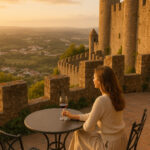
Visiting Portugal during the shoulder seasons offers clear light, pleasant temperatures, and quieter streets, provided you know what to expect.
1. The shoulder seasons bring ideal walking weather without the summer heat
Americans accustomed to intense European summer heat waves often find April, May, October, and early November to be the most rewarding months to travel. Lisbon and Porto stay mild, with daytime temperatures hovering comfortably in the upper sixties and low seventies, making historic cobbled walks much more pleasant. You can climb through the steep alleys of Alfama or explore the open Roman temple in Evora under soft sunshine without feeling drained by midday.
Coastal areas bring crisp sea air, while the interior valleys remain bright and dry. Packing layers is essential, as mornings can start brisk along riverbanks like the Douro, give way to warm afternoons among terraced vineyards, and cool down quickly after sunset.
2. Driving yourself can turn scenic afternoons into unnecessary stress
While Portugal has an excellent highway network, its oldest quarters and hill towns were designed centuries before automobiles existed. Navigating rental cars through narrow, winding granite archways in towns like Monsaraz or finding parking in congested coastal districts often frustrates American drivers used to wide lanes and straightforward signage. Portuguese electronic toll highways also require specific transponders that complicate car rentals.
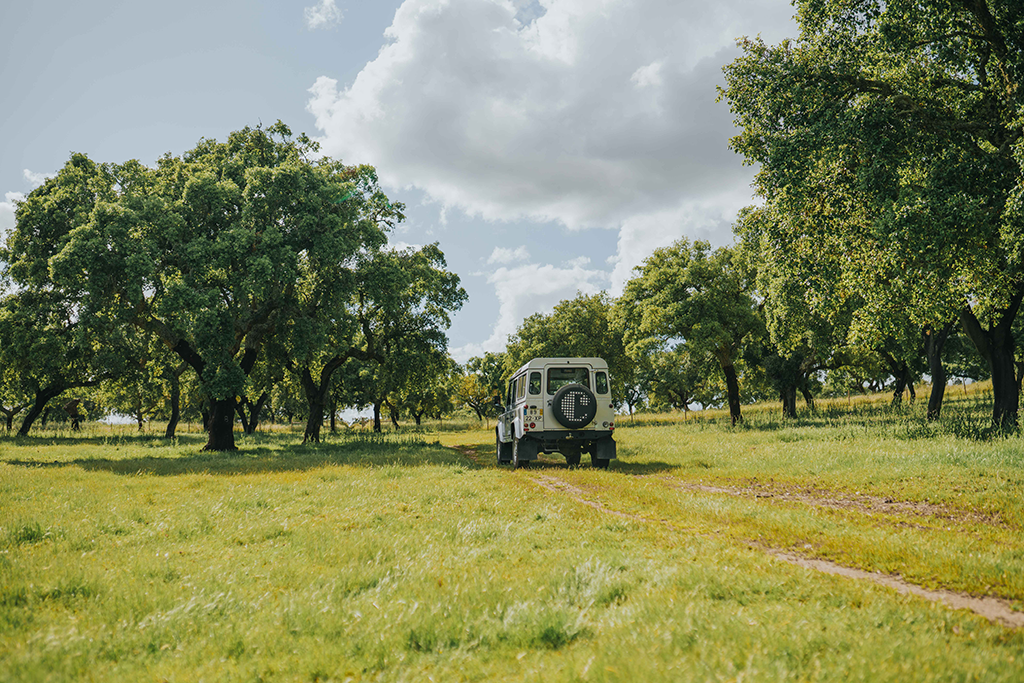
Traveling with a dedicated local driver and guide in a spacious Mercedes-Benz vehicle lets you sit back, take in the rolling groves of cork oak, and skip the logistics. A skilled professional knows exactly where to drop you at pedestrian gates and how to shape the day around your personal interests, saving you hours of navigating confusing detours.
3. English is spoken with remarkable fluency across generations
American travelers who have navigated linguistic hurdles in rural France or Italy are consistently delighted by how effortless communication is across Portugal. Most Portuguese learn English early in school, and foreign television is subtitled rather than dubbed, cultivating impressive fluency even in small family-run establishments.
Whether you are ordering grilled sea bass at a seaside tavern in Setubal or chatting with a shopkeeper about hand-painted tiles in Coimbra, conversations flow naturally. A polite greeting in Portuguese, such as bom dia or obrigado, is always appreciated, but you will never find yourself stranded behind a language barrier.
Browse our travel inspiration for ideas, or tell us what kind of day you have in mind.
4. Distances are compact, letting you experience three landscapes in one day
Coming from the vast distances of North America, it is a revelation to discover how quickly the terrain shifts here. In the span of a single morning, you can leave the grand limestone squares of Lisbon, stop inside the cool coastal pine forests surrounding the Pena Palace in Sintra, and finish your afternoon watching Atlantic waves crash against the cliffs of Cabo da Roca.
This compactness means you spend less time in transit and more time immersed in castles, medieval cloisters, and river valleys. It allows for rich, unhurried itineraries where you never feel like your vacation is slipping away on long transit routes.
5. Portuguese dining follows a relaxed, deliberate rhythm
Dining here is treated as an experience rather than a quick transaction. Lunch typically begins around one o’clock, while dinner rarely starts before eight in the evening. Service is intentionally unhurried, because servers believe it is impolite to bring the check until a guest specifically requests it.
When you sit down, servers will often place small plates on your table, such as local olives, sheep cheese from Azeitao, bread, and savory cod fritters known as pasteis de bacalhau. These are not complimentary starters, but they are inexpensive and generally delicious; you pay only for what you choose to eat.
6. The harvest and bloom seasons transform the countryside scenery
Visiting outside the peak summer rush reveals working agricultural traditions in full swing. In the spring, wildflowers carpet the plains of the Alentejo, almond blossoms brighten northern hillsides, and estate gardens burst with fresh color. It is the best time of year for walking historic paths through citrus groves and ancient olive farms.
Fall brings the grape harvest to the Douro Valley, typically running from mid-September through October. Terraced schist slopes turn vibrant shades of gold, amber, and crimson, while the scent of crushed grapes fills the riverside air. Witnessing these rural rhythms offers a deeper connection to regional food and wine heritage.
7. Historic stone streets demand proper footwear
Portugal’s traditional stone pavement, known as calcada portuguesa, gives historic plazas and streets their artistic charm, but it can be surprisingly slick. Over decades of foot traffic, the small limestone and basalt cubes wear smooth, feeling almost polished beneath hard-soled dress shoes or heels.
For walking the ramparts of Obidos or descending the steep riverbanks of Porto down to the Ribeira, choose comfortable walking shoes or sneakers with reliable rubber tread. In spring and fall, morning moisture or light rain showers can make downhill slopes even more slippery, so practical footwear will protect your ankles and keep you comfortable all day.
8. World-class food and wine deliver exceptional everyday value
Compared to culinary capitals in northern Europe, dining in Portugal remains remarkably affordable without compromising on quality. Pristine seafood landed that morning, tender Alentejo pork, artisanal olive oils, and aged cheeses appear on everyday menus at reasonable rates.
Wine lovers will be particularly impressed by the access to outstanding regional bottles. From crisp Vinho Verde produced in the green northern valleys to robust, sun-drenched reds from the Dao and Douro, top-tier wines are served by the glass and bottle at prices that allow you to explore diverse varietals at every meal.
9. Safety and genuine warmth define the everyday travel experience
Portugal regularly ranks among the safest countries in the world, and that peace of mind is immediately felt on the ground. Solo travelers, couples, and multi-generational families can walk historic quarters after dark comfortably, guided by amber street lamps and the quiet hum of neighborhood life.
Beyond safety statistics, what resonates most with American visitors is the genuine, welcoming nature of the people. Locals take sincere pride in sharing their culture, explaining the history of an ancient convent, or pointing you toward their favorite neighborhood bakery. With a private driver and guide handling the road, your entire journey becomes a series of warm, effortless encounters.
Plan your own day
Share your dates, group size and interests, and we will suggest a tailored plan with a local driver/guide.