From effortless English conversations to the gentle rhythm of neighborhood tascas, Lisbon often defies the assumptions American travelers bring across the Atlantic.
1. English is spoken with remarkable ease and genuine warmth
Many American travelers arrive in Lisbon bracing for the linguistic hurdles typical of southern Europe. Having navigated Paris or rural Italy with phrasebooks and translation apps, they expect a similar reserve here. Instead, from the first morning espresso at a counter in Chiado to ordering grilled fish in Campo de Ourique, communication feels almost effortless. English is widely, fluently, and cheerfully spoken across generations, making daily encounters comfortable and deeply engaging.
This ease of conversation is partly rooted in Portugal’s tradition of subtitling rather than dubbing foreign television and films, combined with high educational standards. More than that, the Portuguese display a gracious patience with visitors. When you try out a polite ‘bom dia’ or ‘obrigado’, locals receive it with a warm smile before switching smoothly into English to answer your questions about the neighborhood.
2. The seven hills demand respect and change how you navigate
Americans are accustomed to walkable European capitals like Madrid or Florence, where streets unfold on relatively flat plains. Lisbon, famously built across steep hills rising above the Tagus River, presents an entirely different topography. The polished limestone paving stones known as calcada portuguesa are lovely to admire, but walking uphill from the Baixa grid to the castle district under the midday sun quickly proves more strenuous than most visitors anticipate.
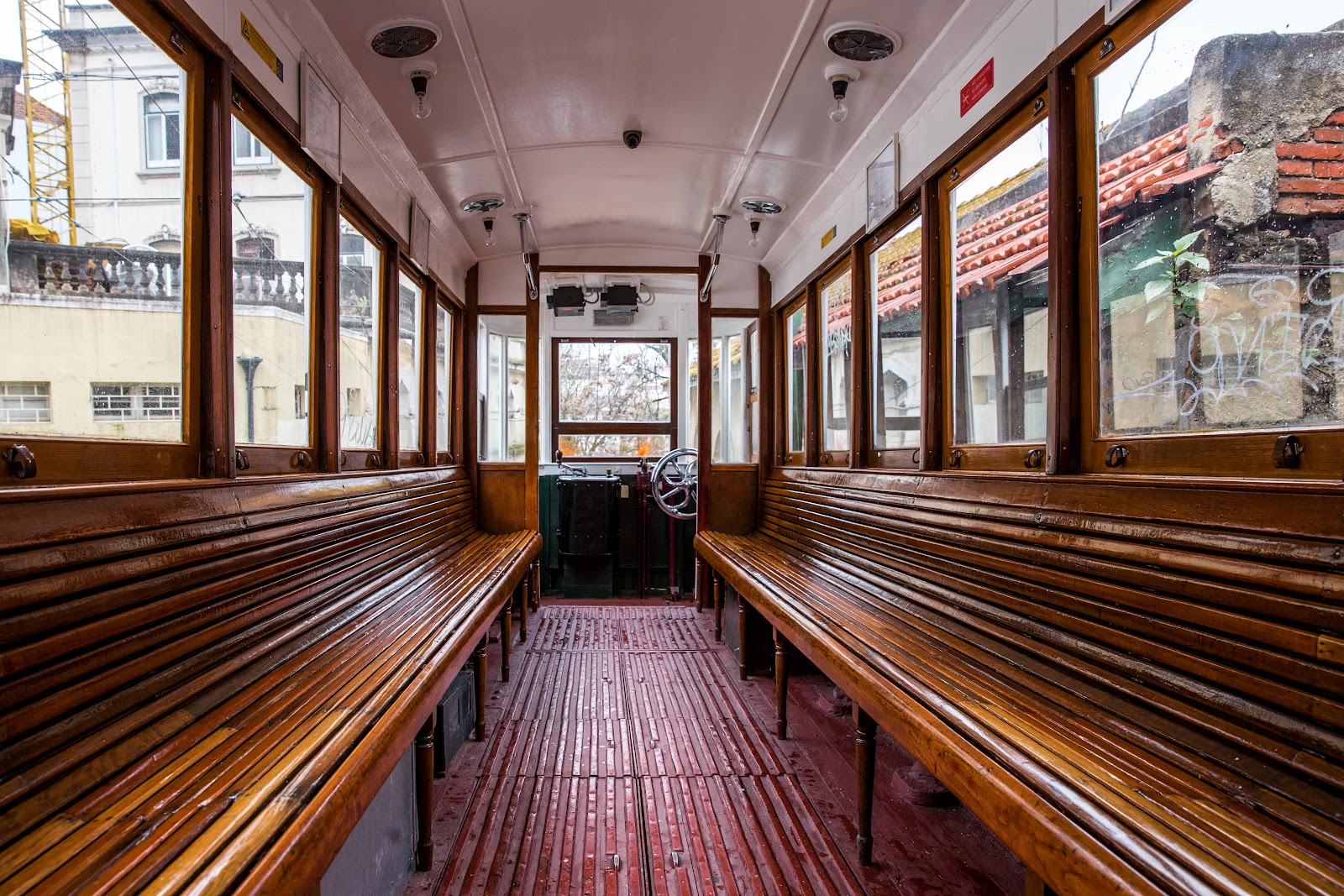
Having a dedicated Mercedes-Benz vehicle with a knowledgeable local driver allows guests to bypass the exhausting climbs entirely. Instead of waiting in long queues for antique funiculars or negotiating tight streetcar tracks, you can glide effortlessly between the heights of Graca and the riverbanks of Belem. A local driver and guide can shape the day around the guests, dropping you at elevated scenic terraces like Miradouro da Senhora do Monte before meeting you smoothly at the bottom of the historic alleys.
3. The city feels exceptionally peaceful and secure at all hours
Safety is a quiet priority for well-traveled Americans, especially those traveling with grandchildren or enjoying an evening stroll as a couple. Portugal consistently ranks among the most peaceful countries in the world, and Lisbon reflects that serene reality in its daily rhythm. There is a notable absence of the tense street energy or aggressive hawking often encountered in other major Mediterranean tourist hubs.
Even after dark, when the amber lanterns illuminate the narrow alleys of Alfama and families linger over late dinners, the city maintains an air of neighborly calm. Couples comfortably walk along the riverfront esplanades of Ribeira das Naus, and solo travelers explore the residential plazas of Principe Real with confidence, remarking on how relaxed public life feels compared to home.
Browse our travel inspiration for ideas, or tell us what kind of day you have in mind.
4. World class dining and wine offer unmatched value compared to other capitals
American visitors accustomed to dining checks in London, New York, or Rome are consistently startled when the bill arrives at a traditional Lisbon establishment. A vibrant lunch of ocean-fresh sea bass, a crisp white wine from the nearby Bucelas region, mineral water, and coffee often costs a fraction of what one expects for food of such integrity and freshness.
Even inside historic neighborhood spots like Taberna da Rua das Flores or seafood institutions along the river, the emphasis remains on pristine ingredients rather than theatrical presentation. The house wines, poured without ceremony from bottles originating in the Douro or the Alentejo, outshine expensive vintages found elsewhere. Excellent dining in Lisbon is not an indulgence reserved for special occasions; it is simply the ordinary standard of local life.
5. The daylight and Atlantic breezes create an entirely different climate
Because Lisbon sits on the Atlantic coast of southern Europe, many travelers pack expecting the stifling, landlocked summer heat of Seville or Rome. Instead, Lisbon benefits from the cooling influence of the ocean. Even on bright, cloudless summer afternoons, a crisp afternoon breeze sweeps off the Tagus estuary, tempering the sunshine and keeping the air invigorating.
Then there is the light itself. Positioned on the western edge of the continent, Lisbon enjoys an extraordinary clarity of illumination that artists have celebrated for centuries. Reflected off the broad river waters and the pale limestone facades, late afternoon daylight softens into deep gold long before dusk. It encourages an unhurried pace, inviting you to sit outdoors with a chilled glass of Arinto wine and watch the evening ferries glide toward the southern bank.
6. Traditional tascas outshine formal dining rooms in soul and flavor
Many well-traveled visitors assume that experiencing a European capital requires booking reservations at grand, white-tablecloth establishments months in advance. In Lisbon, some of the most memorable meals happen in unpretentious, family-run eateries known as tascas. These small dining rooms, often lined with simple blue and white tiles and run by a husband and wife team, serve the true soul of Portuguese cuisine.
Here, the menu is often handwritten on paper placed inside the front window each morning, based entirely on what was fresh at the fish market. Plates of tender grilled octopus drizzled with rich olive oil, slow-simmered pork with clams from the Alentejo, and simple bowls of vegetable caldo verde soup are delivered with pride. The warmth of the hospitality in these quiet corners often forms the central memory of an entire journey.
7. Historic layers reveal a dramatic rebirth after the great 1755 earthquake
Many visitors know that Lisbon is older than Rome, but they do not always realize how thoroughly the city was reimagined in the eighteenth century. On All Saints Day in 1755, a catastrophic earthquake, fire, and tidal wave leveled much of the lower city. What rose in its place under the leadership of the Marquis of Pombal was Europe’s first master-planned, earthquake-resistant urban center.
As you walk the wide, elegant avenues of the Baixa, the orderly neoclassic facades stand in stark contrast to the winding Moorish maze of Alfama, which largely survived the tremor on its solid bedrock. Understanding this dramatic historical pivot turns a simple walk down Rua Augusta into a journey through triumph, engineering foresight, and national resilience.
8. Cultural treasures sit just thirty minutes outside the city center
American travelers are frequently surprised by how close Lisbon sits to an astonishing diversity of landscapes. Unlike sprawling American metropolitan areas, Lisbon gives way to pine-covered mountains, Atlantic beaches, and fishing ports in under half an hour. Sintra’s romantic palaces, the windswept headland of Cabo da Roca, and the seaside promenade of Cascais are all within effortless reach.
A local driver and guide can shape the day around the guests, smoothly connecting a morning spent admiring the Manueline cloisters of Jeronimos Monastery in Belem with an afternoon drive along the scenic coast road toward Guincho Beach. There is no need to pack and change hotels to experience contrasting facets of Portuguese heritage. Lisbon serves as the ideal, comfortable home base, proving far simpler, warmer, and more rewarding than first-time visitors ever imagined.
Plan your own day
Share your dates, group size and interests, and we will suggest a tailored plan with a local driver/guide.