From medieval castles that captivate grandchildren to shaded plazas where grandparents can rest with an espresso, Portugal offers seamless travel for every generation.
1. Manageable travel times keep everyone energetic
One of the biggest hurdles when traveling across Europe with three generations is transit fatigue. In sprawling countries like Spain, France, or Italy, reaching the next notable destination often demands half a day spent inside high-speed train terminals or navigating complicated highway interchanges. Portugal changes that equation entirely. The distance from the center of Lisbon to the misty forested peaks of Sintra is little more than thirty minutes, while a journey south across the Tagus River to the sandy coves of the Arrabida Natural Park takes less than an hour.
Because destinations sit remarkably close together, morning departures feel gentle rather than rushed. Grandparents can enjoy a full breakfast at their hotel while teenagers sleep in an extra hour, without sacrificing the day’s itinerary. Shorter drives keep restless younger children engaged and ensure older relatives arrive at historical monuments with plenty of energy to explore the grounds.
2. Engaging history that captures imaginations of all ages
Portuguese history has a tactile quality that resonates across generations. At the fourteenth-century Castle of Saint George overlooking Lisbon, younger family members can peer through stone arrow slits and walk along defensive ramparts, while parents and grandparents absorb panoramic views of the red-tiled roofs below. In Sintra, the romantic architecture of Pena Palace and the subterranean inverted tower at Quinta da Regaleira feel like storybook pages brought to life.
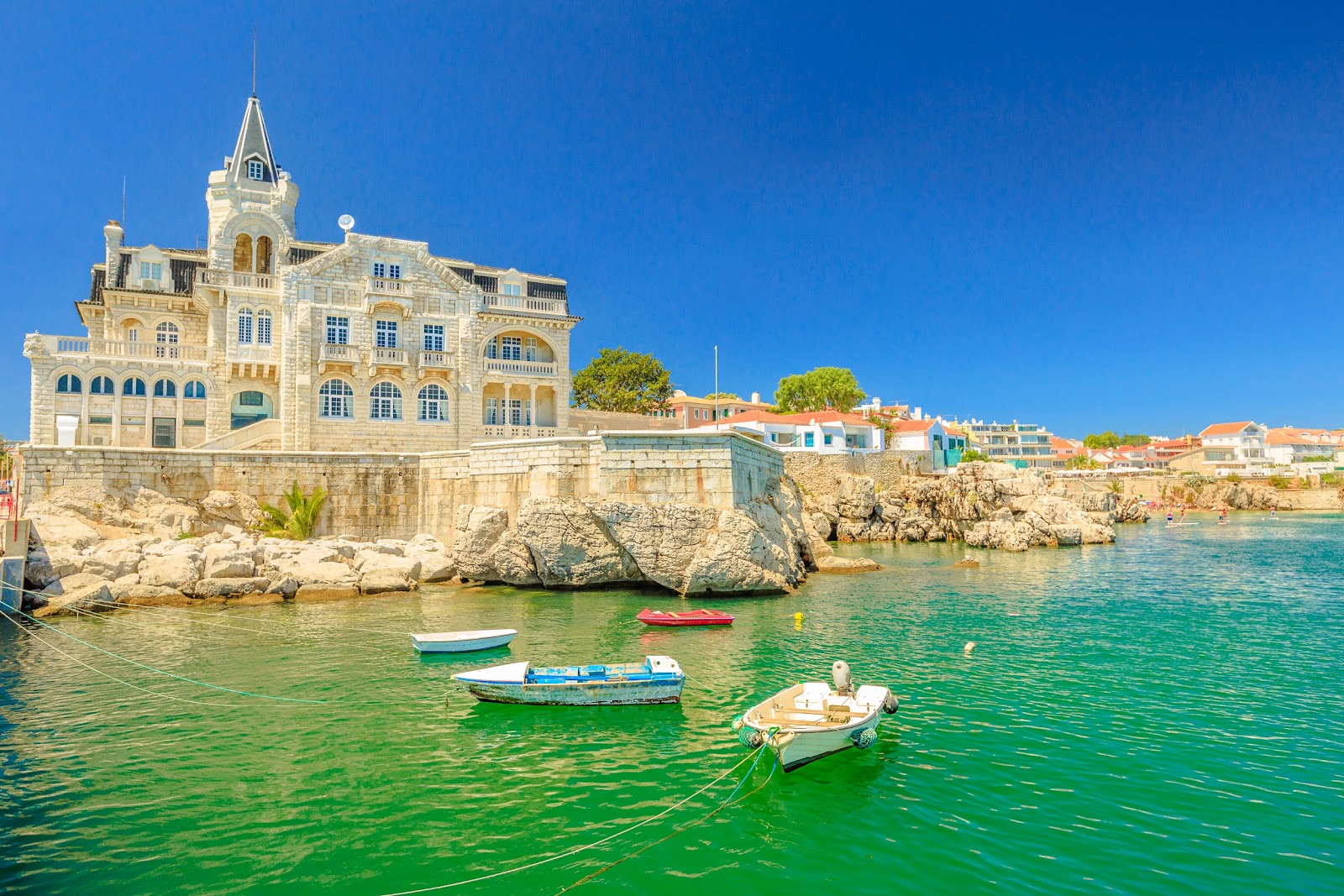
Instead of reading dry placards in sterile galleries, families experience history in the open air. Visiting the seaside village of Cascais or watching Atlantic rollers crash against the cliffs at Cabo da Roca provides natural stopping points where maritime heritage intersects with sweeping coastal geography, sparking curiosity in children and thoughtful appreciation in seasoned travelers.
3. Flawless logistics without navigating winding European roads
Renting multiple European cars or attempting to pilot a large passenger van through narrow village streets and complex roundabouts often creates unnecessary stress for family organizers. Many medieval towns, like the walled hamlet of Obidos or the Alfama district in Lisbon, were engineered centuries before motor vehicles existed, featuring tight alleys and strict pedestrian zoning that confound foreign drivers.
Traveling together in a spacious Mercedes-Benz vehicle removes every navigational worry. A local driver guide can shape the day around the guests, dropping grandparents directly at village gates to avoid uphill climbs, finding shaded parking instantly, and sharing historical context between stops while everyone relaxes together in climate-controlled comfort.
Browse our travel inspiration for ideas, or tell us what kind of day you have in mind.
4. Warm hospitality and effortless English communication
American families often remark on how comfortable it feels to interact with locals throughout Portugal. English is taught thoroughly in schools and widely spoken across restaurants, shops, and cultural landmarks. For grandchildren ordering their first warm pastel de nata at a bakery counter, the encounter is welcoming and encouraging, building their confidence in foreign travel.
Beyond language fluency, Portuguese culture holds family at its very core. Children are warmly welcomed in dining rooms, and elder family members are treated with genuine deference and courtesy. This natural warmth creates an environment where everyone feels safe, included, and at home from their first afternoon.
5. Dining traditions that please varied tastes and paces
Gathering three generations around a single dinner table can sometimes prove challenging, yet Portuguese cuisine naturally accommodates diverse preferences. Coastal menus center on incredibly fresh, simply prepared seafood, such as grilled sea bass, garlic prawns, and salted cod dishes like bacalhau a bras, which combine flaked fish, eggs, and thin potatoes into a comfort food favorite for all ages.
While parents and grandparents savor crisp Vinho Verde or complex red wines from the Douro, younger diners can enjoy fresh bread, local sheep cheeses, and roasted chicken flavored with mild herbs. Family-run tascas offer generous portions and remarkable value compared to dining in neighboring Western European capitals, allowing families to linger over long lunches without feeling rushed by the waitstaff.
6. Flexible pacing that honors diverse energy levels
A successful multigenerational trip requires built-in breathing room. Grandparents may prefer a shaded bench beside the fountain in Sintra’s historic square, watching locals stroll by while enjoying an espresso, while parents take the teenagers to climb the granite stairways of the Moorish Castle. Portugal’s compact village layouts make it simple to split up briefly and regroup without anyone getting lost.
Having a private vehicle waiting nearby means schedules remain completely fluid. If younger travelers need an afternoon break to walk along the flat boardwalk of Cascais, or if older family members prefer an early return to the hotel before evening dinner, the itinerary flexes organically. A knowledgeable local driver guide can shape the day around the guests, matching the rhythm of the road to the mood of the group.
7. Outstanding value that allows families to travel without compromise
When traveling as a party of six, eight, or ten, costs compound quickly in traditional European destinations. Portugal consistently offers exceptional value for money across dining, accommodations, and private touring services. A multi-course lunch featuring wood-roasted pork from the Alentejo or Atlantic turbot often costs a fraction of an equivalent meal in Provence, Tuscany, or Catalonia.
This favorable price-to-quality balance allows families to book larger accommodations with space for everyone, dine at atmospheric tables without calculating every course, and focus entirely on creating shared memories. The end result is a journey where every generation feels catered to, rested, and deeply connected to the stories of this ancient, sunlit corner of Europe.
Plan your own day
Share your dates, group size and interests, and we will suggest a tailored plan with a local driver/guide.