Discover the maritime soul of Cascais, where weathered fishing boats share clear Atlantic waters with royal history and coastal paths.
The Morning Call of the Bay
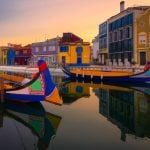
Long before summer vacationers claim the sands, Cascais wakes to the sound of gulls and the rhythmic rattle of plastic crates. In the early blue light, Praia dos Pescadores reveals its true character. Traditional wooden dories painted in bright greens, reds, and yellows bob quietly on the sheltered water, their hulls bearing names of patron saints and family members. This small crescent of sand has welcomed fishermen for over six centuries, serving as the heartbeat of a community that once provisioned Lisbon with salted sardines, hake, and octopus.
Walking along the stone promenade as the sun clears the horizon, the smell of brine and diesel engine exhaust hangs sweet and pungent in the cool air. Weathered men in thick wool caps mend nylon nets on the pavement, their fingers moving with the muscle memory of generations. While Cascais grew famous in the late nineteenth century as a retreat for kings and exiled European aristocrats, it never severed its ties to the sea. The granite slipways and weathered stone bollards remind every visitor that the ocean here is a working partner, not merely scenery.
Auction Bells and Fresh Silver
A short stroll past the palm trees leads to the Mercado da Vila, where the morning catch arrives for the daily trade. Here, the silver gleam of sea bass, bream, and mackerel lines long marble counters packed with crushed ice. Fishmongers, often the wives and daughters of the men out on the trawlers, call out their offerings with quick wit and practiced lungs. They deftly scale and fillet fish with heavy blades, offering advice on whether a particular cut suits a slow caldeirada stew or a quick sear over charcoal.
Unlike modern supermarkets, this municipal hall retains its village spirit. Locals gather at the perimeter cafes for espresso and warm custard tarts, trading news about Atlantic tides and storm swells. Exploring these aisles provides a tactile lesson in Portuguese coastal ecology, from barnacles gathered on dangerous sea crags to tender cuttlefish glistening in their own ink. Having a local driver and guide allows travelers to navigate these lively morning hours effortlessly, translating market banter and tailoring the stops to match personal curiosities without watching the clock.
Cobblestones of the Old Quarter
Leaving the market behind, the narrow lanes of the historic center offer quiet refuge. Unlike the grand boulevards of central Lisbon, the streets behind the town hall twist and climb in human scale. Whitewashed cottages with terracotta rooflines sit shoulder to shoulder with ornate nineteenth-century townhouses. Brilliant bougainvillea spills over garden walls, dropping magenta petals onto intricate calcada portuguesa pavements laid out in wave patterns.
Tucked into these lanes are small chapels and modest shrines dedicated to Our Lady of the Navigators, where families have long lit candles for sailors lost at sea. In the quiet square of Praca Camoes, old men sit on cast-iron benches beneath jacaranda trees, watching life unfold at an unhurried rhythm. The small Museu do Mar Rei D. Carlos anchors this neighborhood, preserving bone harpoons, antique navigational charts, and oil paintings that document the town before tourism transformed its shoreline. Inside, the quiet rooms tell stories of winter storms, coastal shipwrecks, and the humble bravery required to face the open Atlantic in small wooden boats.
Browse our travel inspiration for ideas, or tell us what kind of day you have in mind.
A Midday Feast from the Coals
By one in the afternoon, the aroma of smoking olive wood and rendered fish fat drifts through the alleys. Lunch in Cascais is a sacred ritual that demands unhurried attention. Down near the old harbor walls or in tucked-away taverns like those along Rua da Bela Vista, tables fill with locals seeking the freshest catch.
A proper meal begins simply with crusty bread, sweet sheep butter from Azeitao, and a bowl of marinated green olives spiced with garlic and coriander. Then comes the main affair: whole sea bream or plump sardines laid directly across hot iron grates, seasoned with nothing more than coarse sea salt. Served alongside boiled new potatoes and a salad of charred green peppers tossed in local olive oil, the fish flakes apart in sweet, tender ribbons. Paired with a chilled white wine from the nearby sand-dune vineyards of Colares, lunch becomes an ode to Portuguese simplicity, where quality ingredients need no heavy sauces to shine.
Fortresses and Royal Footsteps
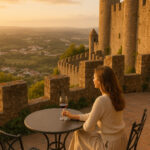
After lunch, a walk toward the harbor mouth brings the layered history of Cascais into sharp focus. The imposing stone Citadel, first erected in the sixteenth century to ward off English corsairs and pirate fleets, stands guard over the marina. King Carlos I chose this compound as his summer residence in the 1870s, turning Cascais from a humble harbor into the darling of the Portuguese court. He was an avid oceanographer, setting sail from the stone quays below to map local marine currents and collect rare specimens.
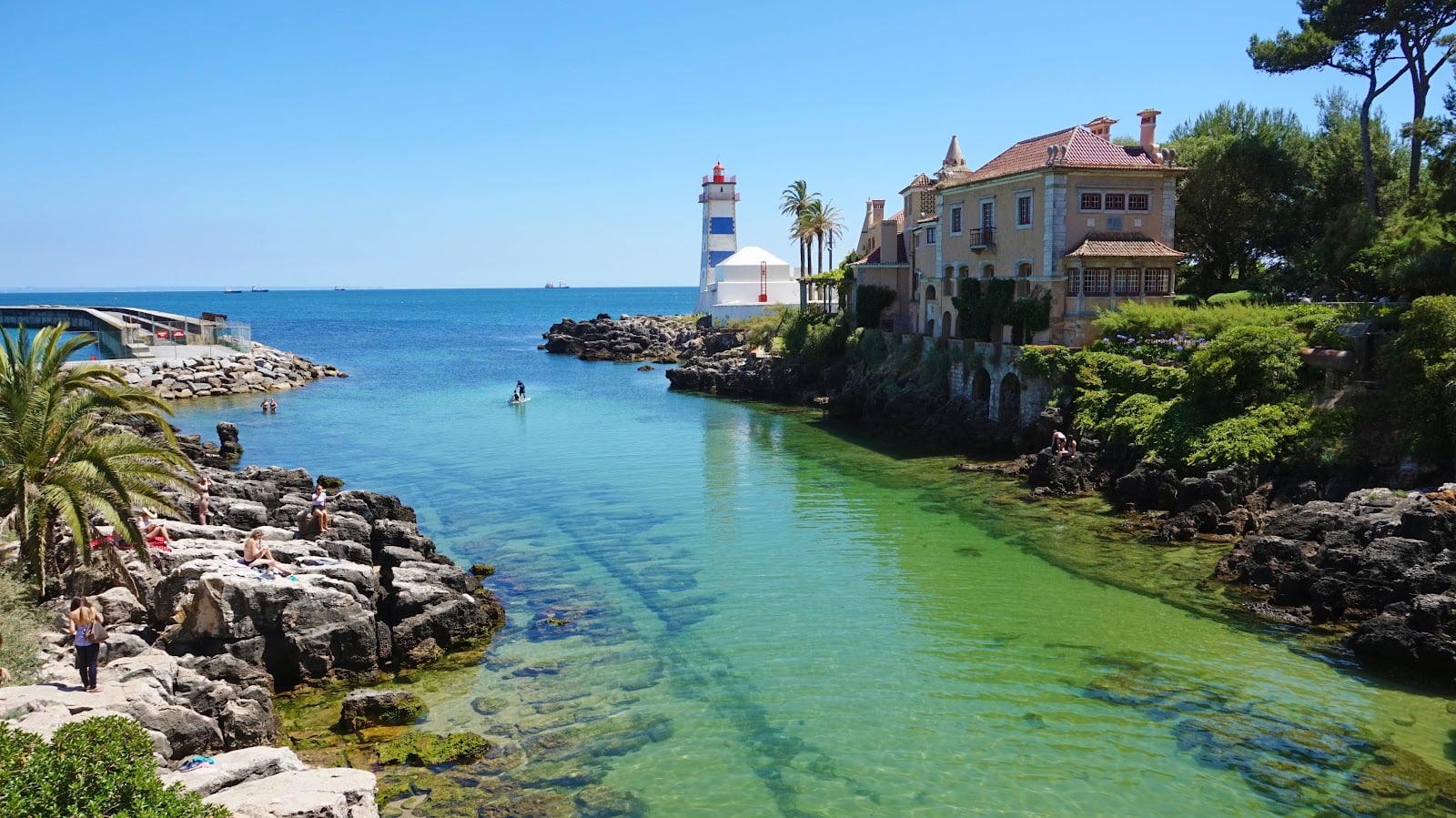
Walking around the fortress ramparts, one sees the blend of defensive grit and residential grace. Elegant mansions, built by Lisbon financiers who followed the king to the coast, dot the cliffside overlooking the teal waters of the Santa Marta inlet. Nearby, the blue and white striped tower of the Santa Marta Lighthouse stands above a tiny sea inlet where local children still leap from limestone shelves into the clear, chilly water. It is an extraordinary setting where grand European architecture rests against the raw natural beauty of the shoreline.
The Atlantic Roar at Sunset
To understand the true nature of the ocean that shaped this village, one must travel slightly west along the coastal road as late afternoon softens into gold. Here, the sheltered bay yields to the untamed force of the open ocean at Boca do Inferno. Centuries of relentless winter swells have hollowed out a massive sea cave in the limestone cliffs, creating a chasm where waves crash with thunderous impact, throwing white spray dozens of feet into the air.
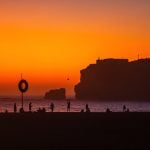
The contrast between the calm harbor of the village and this windswept promontory is striking. Standing on the cliffs as the sun dips into the Atlantic, the sea mist catches the amber light, bathing the coastline in soft copper tones. Traveling with Portugal Magik means your private driver and Mercedes-Benz vehicle are waiting right at the edge of the viewpoints, ready to glide back toward your hotel or Lisbon along the scenic coastal Marginal road whenever you are ready. As dusk falls over Cascais, the streetlamps flicker to life along the harbor, casting long golden reflections across the water where the wooden boats rest, waiting for the morning tide.
Plan your own day
Share your dates, group size and interests, and we will suggest a tailored plan with a local driver/guide.