
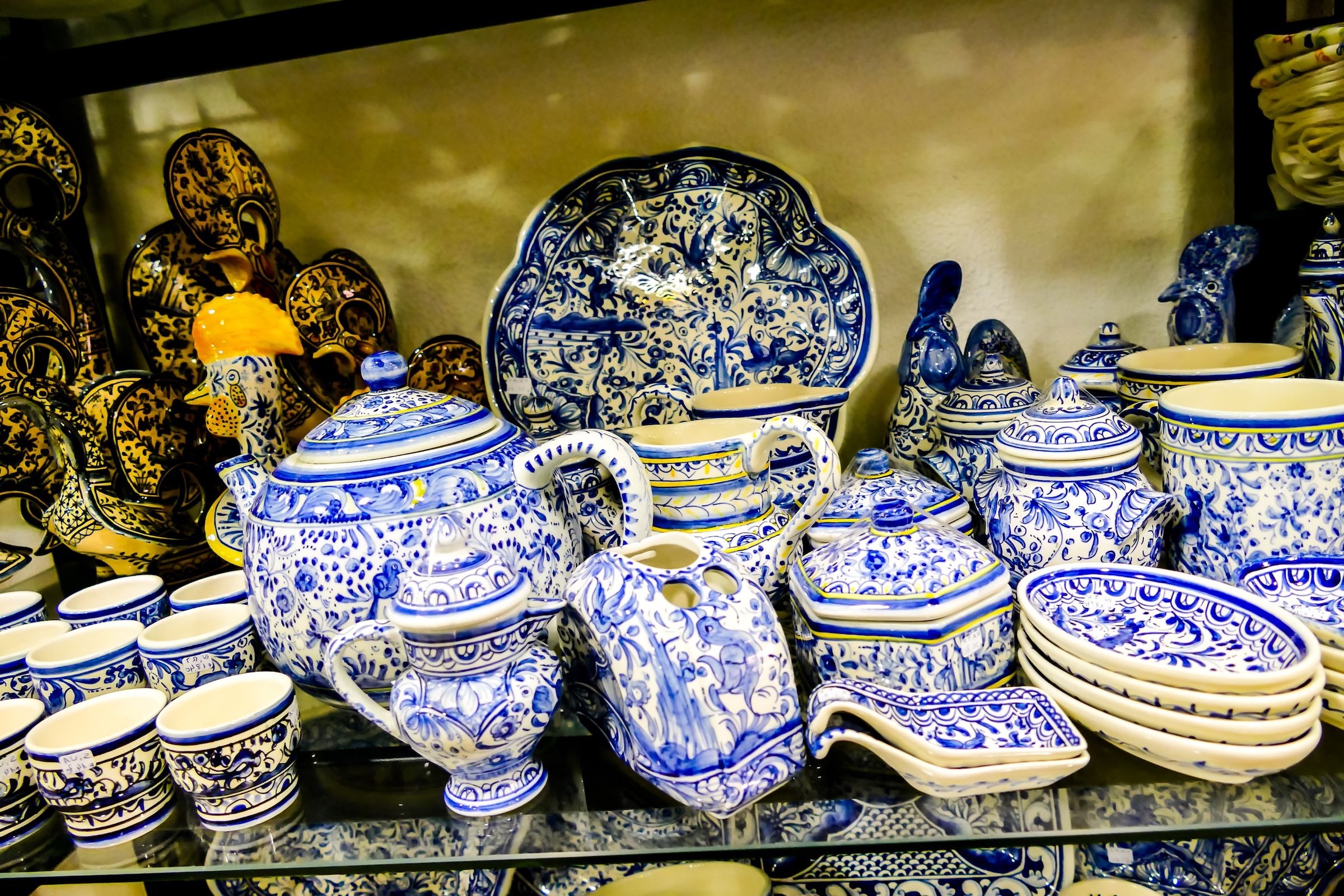
For centuries, Portugal has been a land of clay, glaze, and imagination. From Lisbon’s shimmering azulejo panels to the rustic pottery of Alentejo villages, ceramics are woven into the nation’s identity. Today, they are not only cultural treasures but also highly sought-after collectibles.
For discerning travelers, the allure of Portuguese tiles and ceramics lies in their dual nature: they are both art and artifact. Each piece is handcrafted, steeped in history, and unique — yet they remain functional and deeply connected to Portuguese daily life. Collectors prize them for their authenticity, artistry, and investment value.
At Portugal Magik Private Tours, we have guided many guests on journeys of discovery, helping them source rare antiques, meet artisans, and even arrange for shipping to homes in the U.S., U.K., or beyond. This guide is designed for those considering tiles and ceramics not only as souvenirs but as enduring additions to their collections.
Understanding Portuguese Ceramics: A Brief Overview
Portuguese ceramic artistry falls broadly into two categories:
-
Azulejos (Tiles)
-
Decorative, narrative, or geometric.
-
Produced since the 15th century, with notable styles in the Renaissance, Baroque, and 19th centuries.
-
Used for both monumental panels and small decorative pieces.
-
-
Pottery & Faience
-
Functional ware: bowls, pitchers, amphorae.
-
Decorative faience: hand-painted plates, figurines, vases.
-
Regional specializations, such as Caldas da Rainha (whimsical ceramics) and São Pedro do Corval (rustic pottery).
-
Both categories carry significant cultural weight and can form the foundation of a well-rounded collection.
Where to Buy: Trusted Sources for Collectors
Not all ceramic shops are equal. For serious collectors, knowing where to buy is crucial.
1. Antique Tile Shops in Lisbon
-
Solar Antiques: The largest antique tile dealer in Portugal, with pieces dating from the 15th century. A must for serious buyers seeking museum-quality works.
-
Cortiço & Netos: Specializes in reclaimed tiles salvaged from historic Lisbon buildings. Each tile carries urban heritage, making them prized for authenticity.
2. Factory Stores and Boutiques
-
Viúva Lamego (Lisbon): Founded in 1849, producing both traditional and contemporary tiles.
-
Sant’Anna Factory (Lisbon): Established in 1741, still handcrafting tiles and faience.
-
Bordallo Pinheiro Factory (Caldas da Rainha): Famous for whimsical cabbage-leaf ceramics and animal sculptures, iconic among collectors.
3. Regional Villages and Artisans
-
São Pedro do Corval (Alentejo): Dozens of family-run pottery workshops. Rustic, authentic, and collectible.
-
Óbidos & Coimbra: Known for decorative faience, often painted with florals and mythological scenes.
Other Visitors are reading now:




Authenticity: How to Identify Genuine Pieces
For collectors, authenticity is everything. Here are key indicators:
-
Hand-Painting: Genuine azulejos show brushstroke variation. Perfectly uniform patterns may indicate modern reproductions.
-
Crazing and Patina: Older tiles often display fine surface cracks (crazing) and natural wear.
-
Back of the Tile: Antique tiles have rough, handmade backs; modern reproductions are machine-smooth.
-
Signature or Factory Mark: Some faience pieces bear signatures or stamps (e.g., Bordallo Pinheiro).
-
Provenance: Reputable dealers provide documentation, especially for museum-quality pieces.
When in doubt, consult experts. At Portugal Magik, we often introduce guests to trusted specialists who can certify authenticity.
Investment Value: Are Tiles Worth Collecting?
Portuguese tiles and ceramics are not only beautiful but also valuable assets. Several factors influence their investment potential:
-
Age: Older tiles (16th–18th centuries) command high prices, especially large panels.
-
Condition: Pieces in excellent condition with minimal restoration are more valuable.
-
Rarity: Unique motifs, limited editions, or pieces tied to known artisans (like Bordallo Pinheiro) increase in value.
-
Provenance: Tiles with documented history (e.g., from a Lisbon convent or palace) are highly prized.
-
Market Demand: Interest has grown globally as collectors and designers embrace azulejos in luxury interiors.
For example, a single 17th-century tile might sell for a few hundred euros, while a large panel could reach tens of thousands at auction. Even contemporary pieces by leading designers can appreciate significantly if tied to renowned factories.
Shipping and Logistics: Bringing Ceramics Home
Tiles and ceramics are fragile but not impossible to transport. Collectors should be mindful of:
-
Packing: Professional wrapping with bubble, foam, and custom crates for large panels.
-
Shipping Companies: Specialists in art logistics (Portugal has several that cater to international buyers).
-
Customs: Antique tiles often require export permits. Reputable dealers handle this paperwork.
-
Insurance: Essential for valuable shipments.
Portugal Magik frequently assists guests by coordinating with dealers and shippers, ensuring purchases arrive safely overseas.
Tips for First-Time Collectors
For those just beginning their collection:
-
Start Small: A single antique tile or a set of faience plates is a manageable entry point.
-
Mix Old and New: Pair an 18th-century tile with a contemporary piece to reflect continuity.
-
Buy What You Love: Investment value matters, but emotional connection ensures long-term satisfaction.
-
Visit Workshops: Meeting artisans adds meaning to your collection and helps you appreciate technique.
-
Document Purchases: Keep receipts, provenance papers, and photos for insurance and resale.
Stories from Collectors
We have seen many Portugal Magik guests transform into collectors. A guest from New York bought her first tile in Alfama and later returned to purchase a full panel from Solar Antiques. Another couple from Dubai sourced Bordallo Pinheiro tableware and had it shipped to their villa, where it became the centerpiece of their dining space.
As one client from Toronto said: “Every time I look at my tiles, I remember Portugal — the smell of the kiln, the feel of the workshop, the beauty of Lisbon’s streets. It’s more than art. It’s memory.”
Why Portuguese Ceramics Resonate with Luxury Collectors
In today’s world, luxury is defined less by excess and more by authenticity. Portuguese ceramics embody this:
-
They are handmade, resisting mass production.
-
They are timeless, with traditions stretching across 500 years.
-
They are functional, bridging art and everyday life.
-
They are storied, each piece carrying cultural meaning.
For collectors, this makes them not just decorative objects but cultural investments.
Portugal Magik: Curating Collecting Journeys
At Portugal Magik Private Tours, we transform collecting into an experience. Guests travel privately in luxury vehicles, with itineraries tailored to their interests. We arrange:
-
Visits to antique dealers and ateliers.
-
Meetings with artisans in Lisbon, Caldas da Rainha, and São Pedro do Corval.
-
Behind-the-scenes tours of factories like Sant’Anna and Viúva Lamego.
-
Assistance with purchasing, shipping, and documentation.
For most guests, this becomes part of a larger multi-day journey, seamlessly blending collecting with cultural discovery, gastronomy, and relaxation.
Conclusion: Collecting Portugal’s Soul
To collect Portuguese tiles and ceramics is to collect more than objects. It is to bring home fragments of history, pieces of artistry, and echoes of Portugal’s soul. Each tile is a storyteller, each pot a vessel of culture, each piece a tangible memory of your journey.
For travelers, beginning or expanding a collection in Portugal is one of the most rewarding cultural luxuries. And with Portugal Magik, it becomes effortless — curated, authentic, and unforgettable.
Book Your Portugal Experience:
-
Explore our bestseller tours: Multi-Day Tours
-
Best Private Day Tours Around Lisbon: Private Day Tours
-
Read Top Guests Reviews: Reviews
-
Contact Us: Contact
-
Or simply fill in the form below to request your custom itinerary.