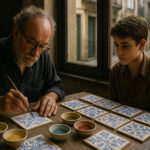

Portugal is a modern European country that has embraced change—yet many of its oldest traditions continue to thrive in everyday life. From rural rituals to age-old professions and beloved festivals, Portuguese culture remains deeply rooted in its past, proudly preserved by locals across generations.
For travelers looking to experience the authentic, time-honored side of Portugal, here are 10 old traditions that are still very much alive today.
1. Fado Music in Alfama and Mouraria
Designated as UNESCO Intangible Cultural Heritage, Fado is Portugal’s most soulful musical tradition. Sung with emotion and accompanied by classical guitar, it tells stories of longing (saudade), love, and life’s hardships.
Experience it: Attend an intimate live performance in a traditional Casa de Fado in Lisbon or Coimbra.
2. Religious Processions and Saints’ Festivals
Throughout the year, towns and villages across Portugal celebrate religious festivals with processions, flower carpets, and lively street gatherings. The devotion is often centuries old and includes both solemn ceremonies and joyful music and food.
Notable examples:
-
Santo António in Lisbon (June)
-
São João in Porto (June)
-
Senhora da Agonia in Viana do Castelo (August)
3. Traditional Bread Baking in Wood-Fired Ovens
In the countryside, bread is still baked the old way—by hand, in wood-fired ovens, using family recipes passed down for generations. Villagers often gather to bake once a week or during special events.
Where to see it: Alentejo, Trás-os-Montes, and rural central Portugal.
4. Bull Runs and Festas Taurinas (Bull Festivals)
In parts of central and southern Portugal, bull festivals are still held, particularly in Ribatejo and Alentejo. These events, while controversial, are an enduring part of local identity and tradition.
Most famous: Colete Encarnado in Vila Franca de Xira.
5. The “Amolador” (Knife Sharpener) on the Streets
You can still hear the distinctive whistle of the amolador, a traveling knife sharpener who rides through towns on a bicycle or scooter, offering to sharpen kitchen knives and scissors—just like in decades past.
6. Weaving and Embroidery by Hand
In regions like Madeira, Viana do Castelo, and Serra da Estrela, traditional weaving and embroidery are still done by hand. Many of these crafts are now considered art forms, preserved by cooperatives and skilled artisans.
Look for: Bordado da Madeira (Madeira embroidery), linen weaving in the North, or wool blankets in Alentejo.
7. Folk Dancing and Regional Costumes
Portugal’s rural towns maintain a strong connection to folk music and dancing, often performed during festivals by groups in traditional costumes, unique to each region.
Where to see it: Cultural festivals, village feasts, and folklore performances throughout the country.
8. Community Pig Slaughter (Matança do Porco)
Still practiced in some villages, the pig slaughter ritual is a deeply rooted rural tradition that brings communities together for a weekend of food preparation, celebration, and preservation of meats for the season.
Note: This tradition is fading and now mostly seen in very rural, close-knit communities.
9. Clotheslines Between Windows
In older neighborhoods like Alfama in Lisbon or Ribeira in Porto, laundry is still hung on lines stretched between windows—a charming and timeless image of everyday life that hasn’t changed in generations.
10. Street Vendors and Seasonal Food Traditions
From roasted chestnuts sold in paper cones in the fall to women selling herbs or flowers at markets, street vending and seasonal food customs remain a part of daily life in Portugal’s cities and villages.
Don’t miss: Roasted chestnuts in November, or filhós and sonhos (fried dough pastries) around Christmas.
Portugal’s deep respect for tradition is part of what makes the country so special. At Portugal Magik Private Tours, we offer private, immersive journeys that help guests experience these old-world traditions in an authentic and respectful way—with English-speaking guides, luxury transport, and insider access.
Our private tours span the entire country, from Lisbon and Porto to the Alentejo and Douro Valley, often including stops in small villages where these customs are still alive and cherished.
Top cultural tours to discover old Portugal:
Start your cultural journey today:
-
Fill the request form below
-
Message us on WhatsApp: https://wa.me/18884955099
-
Call our US Number: tel:+18449232100