Settle into Lisbon, follow the river to Belém, and give Sintra a full day rather than a hurried afternoon. This tailored four-day itinerary leaves room for palace stories, warm pastries, and the pleasure of returning to the same Lisbon base.
Day 1: Arrival in Lisbon, a First Afternoon beside the River
Make your first afternoon deliberately modest: after settling into your Lisbon hotel, begin at Praça do Comércio, where the broad opening toward the Tagus provides a welcome sense of space after an overnight flight, and where yellow arcades frame a waterfront that once served as the ceremonial entrance to a royal capital. The royal palace that occupied this ground was destroyed in the earthquake of 1755, and the square that replaced it belongs to the rebuilding of the Baixa; knowing that story makes the orderly streets behind the waterfront feel less like a convenient shopping district and more like an ambitious response to catastrophe. Walk only as far into the Baixa as your energy invites, pausing for a café table rather than treating the first day as a test of endurance, then order bacalhau à Brás, the comforting combination of shredded salt cod, finely cut fried potatoes, onions, and eggs, perhaps with a glass of Portuguese white wine. Portugal Magik’s private driver/guide handles the driving in a Mercedes-Benz vehicle and shapes the pacing around your arrival and energy, leaving the afternoon open to a longer lunch, a shorter walk, or an early return rather than committing you to timed sightseeing immediately after landing. If you still feel awake, finish along Ribeira das Naus, the former shipbuilding waterfront now given over to strolling and sitting beside the water, and let the changing light provide the evening’s entertainment before an unhurried dinner and your first overnight in Lisbon.
Day 2: Belém, Stonework and a Warm Custard Tart
Give the second morning to Belém, approaching it as a neighborhood with one substantial visit rather than a collection of monuments to be checked off, and reserve your attention for the Mosteiro dos Jerónimos, whose elaborate stonework rewards a slower eye than a tightly packed sightseeing schedule usually allows. Founded under Manuel I in the early sixteenth century, the monastery expresses the wealth and religious ambition surrounding Portugal’s ocean voyages; ropes, foliage, and maritime forms appear in its Manueline decoration, while the wider history also asks visitors to acknowledge the conquest, exploitation, and slavery entangled with imperial expansion. Book the appropriate admission ahead, check current opening arrangements, and allow time for the cloister without attaching another major interior visit to its heels, because the pleasure here lies in looking twice at a carved column or watching sunlight shift across the galleries rather than simply reaching the exit with a photograph. Afterwards, walk to Pastéis de Belém, which began selling its custard pastries in 1837 using a recipe associated with the monastery, and enjoy one warm with coffee, adding cinnamon if you wish while noticing the contrast between the brittle pastry shell and the soft, barely set filling. Leave the rest of the afternoon lightly drawn, with lunch in the neighborhood and time beside the river if the weather invites it, then return to your hotel for a genuine pause before dinner; tonight is another overnight in Lisbon, with no packing required and no obligation to turn every available hour into an outing.
Day 3: Sintra, a Palace Kitchen and a Garden of Questions
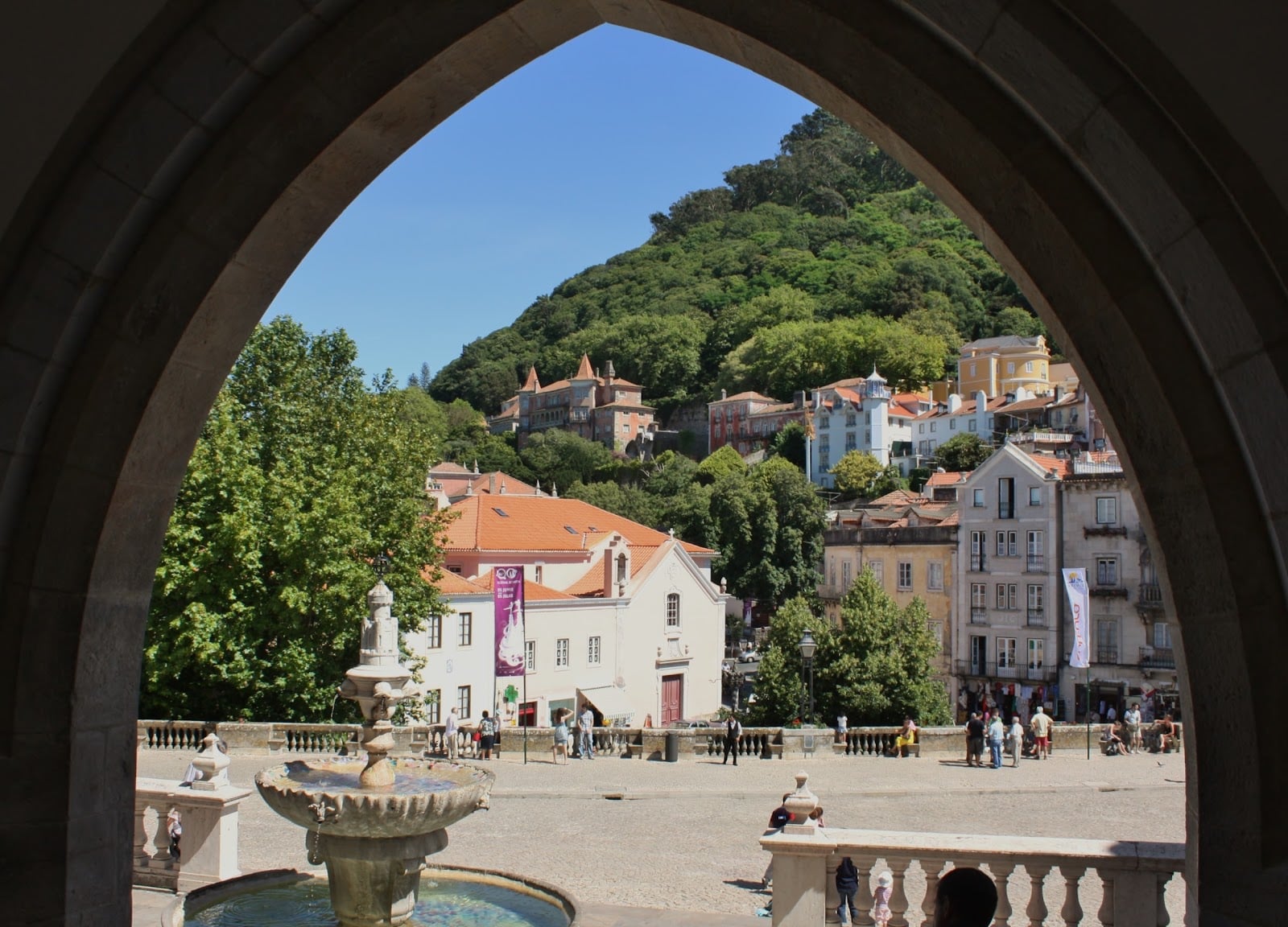
Make Sintra the day you remember most, setting out after breakfast with a light layer for the cooler hills and beginning at the Palácio Nacional de Sintra, whose twin white kitchen chimneys rise above the town like an unmistakable signature, promising a royal residence with something more intimate to reveal than an imposing facade. Inside, the stories become wonderfully specific: the Swan Room takes its name from its painted ceiling, the Magpie Room carries an enduring courtly legend rather than a securely documented scandal, and the great kitchen beneath those chimneys brings the palace back to the practical business of feeding a royal household. This is the moment worth lingering over, when rooms associated with ceremony give way to the scale and labor of everyday service; afterwards, sit down to lunch in town and finish with a queijada, the small cheese-based sweet associated with Sintra, rather than eating on the move between entrance gates. Keep Quinta da Regaleira as the afternoon’s only other major visit, exploring the early twentieth-century estate created for António Augusto Carvalho Monteiro with architect Luigi Manini, where grottoes, winding paths, and the celebrated Initiation Well turn a garden walk into a sequence of theatrical discoveries without requiring you to accept every speculative interpretation of its symbolism. Your local driver/guide can shape the day around your interests and stamina, allowing longer in the palace or a gentler garden visit while accounting for Sintra’s traffic restrictions, timed admissions, and uneven walking surfaces; return for an overnight in Lisbon, carrying home the memory of those extraordinary chimneys rather than the fatigue of attempting every hilltop monument.
Browse our travel inspiration for ideas, or tell us what kind of day you have in mind.
Day 4: Alfama, Small Streets and a Last Lisbon Lunch
Spend your final full day close to Lisbon’s older streets, beginning at the Miradouro de Santa Luzia before moving into Alfama at a pace that allows for steps, sloping cobbles, and frequent pauses, with the red roofs and broad river below offering a different perspective on the waterfront you met on arrival. Parts of this neighborhood survived the 1755 earthquake better than the rebuilt center, and its irregular lanes invite a different kind of attention: look for tiled facades, tiny thresholds, and streets shaped by the hillside, while remembering that these are residential spaces rather than scenery arranged for passing visitors. Choose the Lisbon Cathedral as your one substantial historical stop, taking in the fortress-like exterior of a church founded after the Christian conquest of the city in 1147, then resist the temptation to add several museums simply because this is the last day and the map still contains unfamiliar names. For lunch, settle somewhere with a short Portuguese menu and ask about the day’s fish, perhaps grilled dourada with boiled potatoes and vegetables, accompanied by a glass of Vinho Verde if you enjoy a fresh white wine; sardines are a better seasonal choice than an automatic year-round order. Leave the afternoon for the version of Lisbon you now know you prefer, whether that means another quiet coffee, browsing a few independent shops, or returning early to read before dinner, and finish with a final overnight in Lisbon so that these four days end as they began, with room to breathe rather than a hurried change of base.
Plan your own day
Share your dates, group size and interests, and we will suggest a tailored plan with a local driver/guide.