
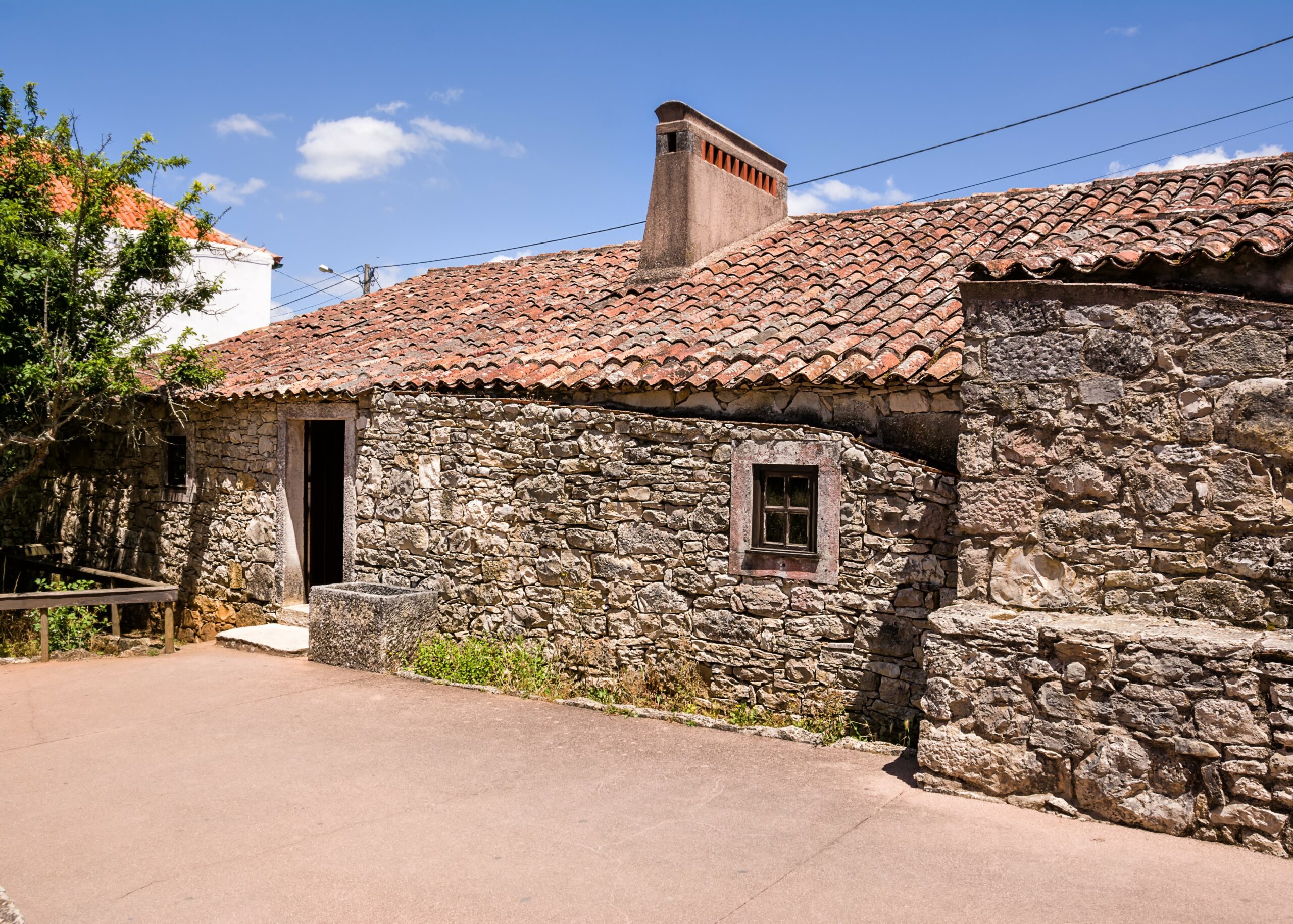
Fátima may be one of the most visited pilgrimage destinations in the world, but for locals, it’s more than a spiritual icon—it’s home. Life in Fátima moves at a slower, more reflective pace. The locals maintain a deep connection to the town’s sacred history, but they also engage with it in quieter, more personal ways, often far from the large crowds and guided tours.
So what do the people who live here visit regularly? What places do they return to for prayer, peace, and daily life? At Portugal Magik Private Tours, we’ve spent over a decade walking side by side with locals, and we’ve come to learn the most cherished corners of Fátima—the ones most travelers never see.
Here are five places locals truly value in Fátima, perfect for travelers who want to go beyond the surface and experience the town through the eyes of those who call it home.
1. Sanctuary Grounds – At Quiet Hours
It’s no surprise that locals are drawn to the Sanctuary of Our Lady of Fátima, but they tend to visit during the early morning or late evening, when the crowds have left and silence returns.
During these hours, you’ll find:
-
Elderly residents praying the Rosary quietly
-
Families lighting candles for loved ones before starting their day
-
Peaceful strolls around the esplanade and Basilica steps
Many locals use the sanctuary like a spiritual garden, returning often—not only during feast days or anniversaries, but year-round—to feel close to the message of Our Lady in a space that has been part of their life story since childhood.
Other Visitors are reading now:


2. Via Sacra (Way of the Cross) in Valinhos
For many locals, especially during Lent or on quiet weekends, the Via Sacra trail through Valinhos is a preferred place for spiritual reflection. It begins not far from the sanctuary and winds through olive groves, with each of the 14 Stations of the Cross beautifully represented along the path.
Unlike guided pilgrim groups, locals tend to walk it slowly and silently—often alone or in small groups, praying or meditating as they go. The route ends at Calvário Húngaro, a large stone crucifix set atop a peaceful hill.
It’s a meaningful walk even for locals who have done it countless times, and for travelers, it’s a chance to reflect in the way the residents do: simply, personally, and without haste.
3. Aljustrel – Not Just for Visitors
The village of Aljustrel, where the three shepherd children lived, is not just a historic site—it remains a real, lived-in village. Locals come here not just to honor the children’s legacy, but because it holds emotional and family connections. Some of the descendants of people who knew the children still live nearby.
You’ll see locals:
-
Visiting the Well of Arneiro quietly
-
Tending to olive groves or gardens behind the preserved homes
-
Attending Mass in the local chapel away from the main sanctuary
For many residents, Aljustrel is a symbol of humility, faith, and the enduring simplicity of the Fátima story—one they don’t want to forget, even amid modern life.
4. Local Cafés and Bakeries After Mass
After morning Mass or a walk through the sanctuary, locals often head to their favorite café or pastelaria for a coffee and a pastry—part of daily life and local tradition. These cafés are where the town’s slower rhythm continues and where stories are shared over espresso and bolo de fatima.
Common local spots:
-
Family-run cafés near the basilica that offer freshly baked regional pastries
-
Traditional bakeries that serve filhós, pão de Deus, or rice pudding
-
Quiet lunch restaurants serving simple Portuguese meals like caldo verde or grilled sardines
This is where you can feel the pulse of the town. Travelers who slow down and visit these spaces get a true taste of local life—literally and figuratively.
5. The Parish Church of Fátima (Igreja Paroquial)
Long before the apparitions of 1917, there was already a strong spiritual heart in Fátima: the Igreja Paroquial de Fátima, the Parish Church where all three shepherd children were baptized.
Located about 2 km from the sanctuary in a quieter neighborhood, the church is still active today, with locals attending Sunday Mass and family sacraments like weddings and baptisms.
Highlights include:
-
The original baptismal font used for Saints Francisco and Jacinta
-
A much more intimate setting than the sanctuary basilicas
-
A deep local connection to the pre-apparition religious life of the community
Most tourists overlook this church, but locals hold it in high regard. It’s a living reminder of the town’s faith long before it was known to the world.
What Our Guests Say About Local Life in Fátima
“Portugal Magik didn’t just show us the famous sites—they took us to places the locals go. We walked the Stations of the Cross in silence, stopped for coffee in a local bakery, and visited the parish church where the children were baptized. It felt personal and real.”
– Mark and Lillian S., Phoenix, Arizona
“I’ll never forget sitting alone in the sanctuary at 7am with just a few locals around me. It was the most peaceful moment of my entire trip. That silence spoke louder than any sermon.”
– Deborah K., London
Want to See Fátima Like a Local?
At Portugal Magik Private Tours, we believe that sacred places should be experienced not just as monuments, but as living communities. We offer private tours that connect travelers to Fátima’s spiritual, historical, and local sides, including visits to Aljustrel, Valinhos, and peaceful moments away from the crowds.
All our tours include:
-
Private luxury transportation
-
English-speaking driver-guides
-
Custom itineraries built at your pace
-
Optional visits to surrounding towns like Ourém, Tomar, or Batalha
-
Insider access to quiet times and lesser-known places that locals love
Book Your Fátima Experience With Portugal Magik:
-
Explore our top-rated Multi-Day Portugal Tours: https://portugal-magik.com/multi-day-tours/
-
Message us on WhatsApp: https://wa.me/18884955099
-
Or call our US Office Number: tel:+18449232100
Let us help you experience Fátima the way it was meant to be—with reverence, authenticity, and local heart.