For Americans who have already explored Europe’s great capitals, the Alentejo offers another kind of memorable day: marble streets, a long lunch, and time to hear the story behind a castle door. Choose one of these towns, perhaps with a nearby companion, rather than trying to collect them all.
1. Estremoz, where a market morning becomes the main event
On Saturday morning, Rossio Marquês de Pombal gives Estremoz an especially good reason to get up without rushing. Its weekly market brings together produce, cheeses, olives, and stalls selling secondhand objects and antiques. Start with coffee, then browse without a shopping mission. For Americans accustomed to scheduling museum entrances months ahead, the pleasure is wonderfully uncomplicated: the day’s first discovery might be a piece of old pottery rather than a famous painting.
Above the square, the fortified upper town tells a different story. Queen Isabel died in Estremoz in 1336, and her memory remains closely associated with its castle. Look, too, for the colorful clay figures known as bonecos de Estremoz; their craftsmanship entered UNESCO’s intangible cultural heritage list in 2017. Leave room for lunch, perhaps pork with clams, a dish associated with the Alentejo. Compared with a landmark-heavy day in Tuscany, this is a day measured in conversations, not admissions.
2. Borba, for marble underfoot and wine with a sense of place
Borba rewards travelers who notice materials. Marble appears in doorways, church decoration, and the eighteenth-century Fonte das Bicas, reflecting the stone deposits that have shaped this part of the Alentejo. The surrounding quarry landscape makes that connection tangible, although working quarries are industrial sites, not places to wander into uninvited. Within town, the fountain offers a gentler introduction: stop, look closely, and consider how a building material became part of everyday identity.
Borba is roughly a 15-minute drive from Estremoz, making the pair sensible companions rather than an ambitious road trip. Arrange a winery visit in advance if wine is the afternoon’s priority. Adega de Borba, founded in 1955, is a cooperative rooted in the area’s growers. At lunch, ask about local cheeses and the day’s regional dishes. Keeping the tasting separate from any driving is an obvious benefit, but so is having no reason to hurry through the final glass.
3. Vila Vicosa, where royal history leaves room for lunch
The broad Terreiro do Paço in Vila Viçosa makes an unusually spacious introduction to Portuguese royal history. Facing it is the Paço Ducal, the palace associated with the House of Braganza. João, eighth Duke of Braganza, became King João IV in 1640, when Portugal restored its independence from Spanish rule. The palace’s long marble facade gives that history a physical presence without requiring a full day inside a museum. Check current visiting arrangements before building the morning around an interior tour.
Afterward, let the town become a town again: a shaded table, soup, bread, and whatever the kitchen recommends. Borba is only about ten minutes away by car, but adding it remains optional. A Portugal Magik local driver/guide can shape the day around the guests, using a Mercedes-Benz vehicle for the connecting journeys and leaving time for a longer lunch or fewer walking stops. Couples, families, and retirees need not agree on a single sightseeing speed.
Browse our travel inspiration for ideas, or tell us what kind of day you have in mind.
4. Redondo, where the useful object carries the story
In Redondo, a bowl can be as revealing as a battlement. The town has a longstanding pottery tradition, explored at the Museu do Barro, where clay offers a way into local working life. Begin there when opening hours allow, then look for pottery in town without expecting every workshop to receive visitors. The most satisfying purchase might be something meant for the table, a reminder of the afternoon each time bread or olives are served at home.
Redondo also lends itself to a food-centered day. Ask whether açorda alentejana is available: the region’s garlic, coriander, olive oil, and bread preparation commonly served with egg. Migas, another bread-based specialty, often accompanies pork. These are dishes born of resourcefulness, not elaborate presentation. Americans comparing costs with famous French or Italian wine destinations may find appealing value in straightforward regional restaurants, though menus and wine choices matter more than national comparisons. Allow the meal to occupy the middle of the day.
5. Monsaraz, for an afternoon that belongs to the view
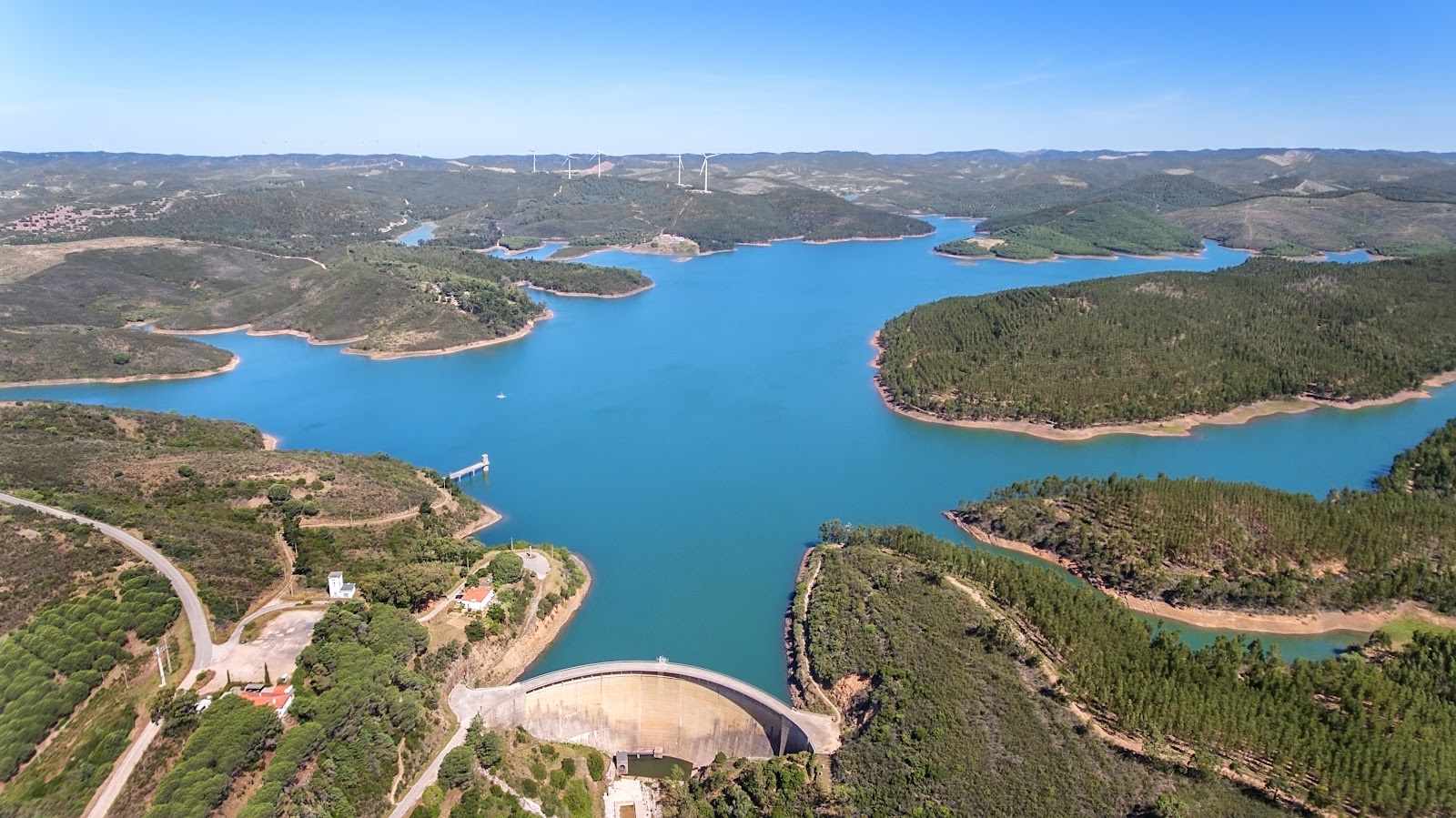
Monsaraz is best approached as somewhere to linger, not somewhere to conquer. Whitewashed houses sit within medieval walls above the Alqueva reservoir, whose broad waters have transformed the surrounding landscape. Walk toward the castle, then pause where the view opens across water, fields, and distant hills. The reservoir is modern; the fortified settlement is not. Holding those two timelines together makes the panorama more interesting than a photograph alone.
The practical details matter here. Cobbles, slopes, and exposed summer sunshine can make a short walk demanding, especially across generations. Comfortable shoes and a morning or late-afternoon visit help; nearby São Pedro do Corval offers a possible pottery stop if energy allows. English is commonly available in visitor-facing businesses, though not universal in smaller settlements. The village’s compact scale makes orientation straightforward, but ordinary precautions still apply. A slow day should feel manageable, not depend on pretending that every picturesque street is effortless.
6. Marvao, where the border gives the castle its meaning
Farther north, Marvão rises on a granite ridge in the Serra de São Mamede. Its position near Spain explains much of its defensive importance, while its name recalls the ninth-century figure Ibn Marwan. Walk through the village toward the castle and the enormous cistern, noticing how the settlement fits its rocky setting. This is not an extra stop after Monsaraz: it deserves its own day, ideally from a base in the northern Alentejo.
Castelo de Vide, roughly 20 to 25 minutes away by car, is a reasonable companion, with its old Jewish quarter and synagogue museum adding another layer of borderland history. Yet there is no obligation to leave Marvão before lunch, or to cross every stretch of castle wall. Heights and uneven surfaces warrant care. For travelers who know Europe’s celebrated routes already, the strongest memory may be quieter: a doorway in shade, a distant church bell, and an afternoon left deliberately open. That is the Alentejo worth making time for.
Plan your own day
Share your dates, group size and interests, and we will suggest a tailored plan with a local driver/guide.