Follow northern Portugal from Porto’s riverfront to the Douro’s terraces, then onward to Guimarães and Braga. At the heart of this six-day itinerary is an unhurried vineyard day, where the landscape’s grand scale gives way to human stories.
Day 1: Arrival in Porto, Tiles and a First River View
Arrive in Porto and keep the first afternoon deliberately light, with time to settle in before stepping into São Bento station, where Jorge Colaço’s blue-and-white tile panels turn a working railway concourse into a picture book of Portuguese history and rural life. Rather than trying to decipher every scene, pause over the everyday details, including cattle, clothing and harvest work, which offer an introduction to the northern countryside you will encounter later in the week. Continue downhill to Ribeira, where narrow façades crowd the waterfront and the river opens a welcome space after the city’s steep streets, giving this first walk a satisfying destination without an ambitious sightseeing list. For an early supper, try grilled fish with boiled potatoes and a glass of Douro white, saving Porto’s more substantial dishes for a day when your appetite has caught up with the time change. Overnight in Porto, with the evening left free for rest or another look at the waterfront.
Day 2: Porto and Vila Nova de Gaia, From Market to Cellar
Begin at Mercado do Bolhão, the historic market reopened in 2022 after restoration, and spend the morning among fish counters, vegetables and hanging sausages rather than treating the building as simply another handsome backdrop for photographs. A coffee and something small at the counter leave room for lunch, when a shared francesinha introduces Porto’s exuberant sandwich of meat, melted cheese and beer-based sauce without necessarily surrendering the entire afternoon to it. Cross the river to Vila Nova de Gaia for a reserved visit at Graham’s 1890 Lodge, where the connection between inland vineyards and the cooler Atlantic-facing city becomes clearer through the story of port’s maturation and trade. Taste a tawny alongside a ruby-style port if offered, paying attention to the contrast between nutty, oxidative notes and darker fruit, rather than feeling obliged to memorize an entire vocabulary of wine. Overnight again in Porto, returning with a useful understanding of the wine whose growing country becomes tomorrow’s destination.
Day 3: Into the Douro, River Roads and Pinhão
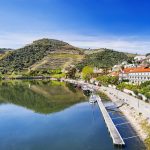
Leave Porto after breakfast for the Douro Valley, allowing the city to give way gradually to vineyard slopes before joining the N222 between Peso da Régua and Pinhão, a particularly rewarding stretch for watching the river and terraces unfold together. Portugal Magik’s private driver/guide handles the driving and pacing in a Mercedes-Benz vehicle, shaping stops around your interests so that a view worth lingering over need not compete with navigating unfamiliar bends or finding somewhere suitable to pull over. In Pinhão, examine the station’s tile panels depicting vineyard work and the transport of wine, a compact visual introduction to the labor behind a landscape that can initially seem almost impossibly decorative. Lunch might bring roasted kid with potatoes, a traditional regional choice when available, accompanied by a Douro red that shows how much this valley offers beyond the fortified wines tasted yesterday. Overnight in Pinhão, leaving the late afternoon open to watch the changing light from the riverbank rather than adding another scheduled visit.
Browse our travel inspiration for ideas, or tell us what kind of day you have in mind.
Day 4: A Douro Day to Remember, Among Terraces and Family Stories
Make this the journey’s generous middle day, beginning at Casal de Loivos, above Pinhão, where the river’s curve and the patterned hillsides reveal how generations of work have shaped a view that looks effortless only from a distance. Down at Quinta do Bomfim, an estate owned by the Symington family, a prebooked vineyard and winery visit brings that panorama closer, turning abstract lines on a hillside into vines, schist underfoot and decisions about heat, water and harvest timing. Ask about the stone terraces and the work of picking steep plots, then consider the valley’s long commercial history: the Douro’s wine region was demarcated in 1756, well before wine tourism made these slopes a destination in themselves. Over a leisurely lunch, perhaps of bacalhau with olive oil and potatoes alongside a local white, let the morning’s stories settle without another appointment demanding attention, remembering that harvest activity is seasonal rather than something every visit can include. Overnight again in Pinhão, with the pleasure of knowing the day belonged to one landscape instead of a collection of stops.
Day 5: Guimarães, Castle Walls and Portugal’s Early Story
Travel northwest to Guimarães after breakfast, trading the Douro’s exposed slopes for the greener surroundings of a city closely associated with Afonso Henriques, Portugal’s first king, and the country’s emergence as an independent kingdom in the twelfth century. Start at Guimarães Castle, whose origins lie in the tenth century, and approach its national symbolism with curiosity rather than expecting every stone to date from the same heroic moment, since the structure has changed considerably over time. Nearby, the Palace of the Dukes of Braganza adds a different chapter through its fifteenth-century origins and conspicuous brick chimneys, while its substantial twentieth-century restoration is an important part of the building visitors encounter today. Settle afterward around Largo da Oliveira for a slower lunch, perhaps ordering bacalhau with broa, salt cod baked beneath a cornbread topping, and watching the square resume its everyday rhythm between passing groups. Overnight in Guimarães, allowing an evening stroll through the historic center when the day’s principal visits are already behind you.
Day 6: Braga, Sacred Stairways and a Return to Porto
Continue to Braga for a final day that places two very different expressions of religious architecture side by side, beginning at the cathedral, whose foundations reach back to the eleventh century and whose later additions reward a deliberately attentive visit. Rather than looking for stylistic uniformity, notice how successive generations left their mark, making the building a useful counterpoint to yesterday’s stories of kingship and the formation of Portugal. Then head to Bom Jesus do Monte, where the monumental stairway stages an ascent through fountains and religious symbolism, with broad views offering a reason to stop even for visitors more interested in landscape than pilgrimage. Walk as much as feels comfortable, or consider the historic water-powered funicular, operating since 1882, before lunch and a tíbia, Braga’s elongated cream-filled pastry, whose rather anatomical name adds a playful final detail to the day’s conversation. Return to Porto for your final overnight, keeping dinner uncomplicated and arranging any onward flight for the following day so that Braga receives a proper visit rather than becoming an airport-day compromise.
Plan your own day
Share your dates, group size and interests, and we will suggest a tailored plan with a local driver/guide.