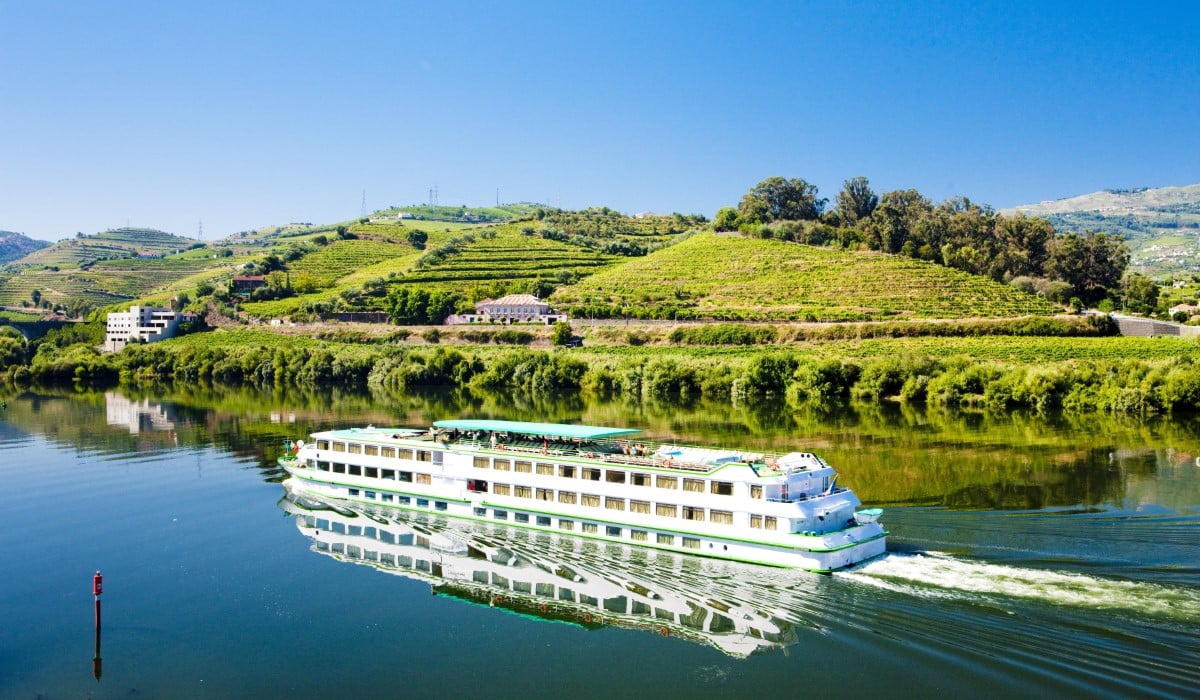
The best Douro day is not a race through tasting rooms. Choose two estates, leave time for lunch, and let the river, the vineyards, and the family histories give Portugal’s wines their setting.
1. Quinta do Bomfim, where a familiar port name becomes a place
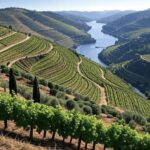
For Americans who have encountered Dow’s on a restaurant wine list, Quinta do Bomfim supplies the missing landscape. Beside Pinhão, this Symington family estate has been central to Dow’s wines since its acquisition in 1896. A visit connects port to the steep vineyards and the harvest work behind the bottle. The Douro’s demarcation dates to 1756, while its long-shaped wine landscape earned UNESCO recognition in 2001. Here, those dates belong to slopes you can actually see rather than a museum timeline.
Make Bomfim the morning anchor, not the first of six appointments. These estates are alternatives for a thoughtful day, with two visits usually more rewarding than a crowded circuit. From Porto, allow roughly two hours to reach Pinhão, depending on traffic and route. Portugal Magik’s local driver/guide can shape the day around the guests, using a Mercedes-Benz vehicle and leaving the winding roads to someone who knows them. Reserve an English-language visit and choose a tasting suited to your interests.
2. Quinta da Roeda, for understanding why the hillside matters
A short drive from Pinhão, Quinta da Roêda belongs to Croft, whose origins reach back to 1588. Its vineyards occupy a broad sweep above the Douro, and the estate makes an especially good choice for travelers who want time outdoors rather than consecutive cellar visits. Touriga Nacional, Touriga Franca, and other Portuguese varieties replace the familiar Napa vocabulary. The point is not to memorize every grape. It is to understand how local varieties, heat, schist soils, and blending contribute to the wines in your glass.
For a couple comparing the Douro with Tuscany, this is part of the distinction: the river remains the organizing presence, with vineyards climbing dramatically away from it. Choose a vineyard-focused visit when available, but ask about walking distances and gradients before booking. Summer afternoons can be intensely hot, so a morning appointment often makes better sense for families and older travelers. Harvest activities are seasonal offerings, not something to assume will accompany an ordinary tasting.
3. Quinta de la Rosa, where lunch deserves its own chapter
Quinta de la Rosa sits close to Pinhão, making it a practical partner for another nearby estate without turning the afternoon into a transfer. The property entered the Bergqvist family in 1906 as a christening gift to Claire Feuerheerd. That unusually personal beginning gives the visit a different register from a corporate brand story. Today, port and dry Douro wines share the stage, an important distinction for Americans who still associate the region almost entirely with a sweet after-dinner glass.
Its restaurant, Cozinha da Clara, is named for Claire and gives lunch a proper place in the itinerary. Book separately rather than assuming a tasting includes a table. Menus change, but the regional food vocabulary is worth knowing: roasted kid, bacalhau, olive oil, and substantial meat dishes all belong to northern Portuguese tables. Ask which dishes are available and which estate wines suit them. For travelers weighing value against France or Italy, compare the complete experience, including tasting format, meal, and transport, rather than expecting every Portuguese wine day to cost less.
Browse our travel inspiration for ideas, or tell us what kind of day you have in mind.
4. Quinta do Seixo, for a sweeping view and a clear introduction
Above the river near Valença do Douro, Quinta do Seixo is Sandeman’s Douro showcase. The company’s caped figure may already be familiar from American wine shops; the hillside setting gives that label a geographical address. Its contemporary winery offers a useful counterpoint to the old terraces outside. For first-time visitors, a structured tour can make port production easier to follow, especially the addition of grape spirit during fermentation, which preserves sweetness while raising alcohol.
This is a strong choice when one traveler knows wine well and another simply wants an engaging introduction and a remarkable view. English is widely used at the region’s established visitor estates, although a specific tour language should still be confirmed. The approach involves climbing roads, so nearby on a map does not necessarily mean a quick arrival. Allow space between reservations. Comfortable private pacing means enjoying the overlook, using the facilities, and settling into a tasting without watching the clock through every explanation.
5. Quinta do Crasto, for Americans who come primarily for dry reds
Near Gouvinhas, Quinta do Crasto deserves consideration from travelers whose cellars lean toward Cabernet Sauvignon, Bordeaux blends, or Italian reds rather than fortified wine. The estate produces both port and dry Douro wines, with old-vine bottlings among its best-known expressions. Its name derives from the Latin castrum, meaning a Roman fort. More immediately compelling is the vineyard setting: terraces, exposed rock, and the river far below help explain why growing grapes here has always demanded considerable work.
Treat Crasto as an appointment-led destination, not a casual roadside stop. Confirm visitor availability, the wines included, and access arrangements before organizing the rest of the day. Its position makes it better suited to a deliberately chosen route than a last-minute addition to several Pinhão bookings. For an anniversary couple or retired friends traveling together, the appeal is concentration: one estate explored properly, questions answered, and enough time afterward to discuss which wines genuinely surprised you.
6. Quinta da Pacheca, for a day centered closer to Regua
Near Lamego, across the Douro from Peso da Régua, Quinta da Pacheca offers a different geographical anchor. The estate is documented under its name in 1738 and produces both Douro table wines and port. Its location works well for travelers who prefer to concentrate on the western part of the wine region instead of continuing to Pinhão. A winery visit can be paired with lunch and, if time allows, the Museu do Douro in Régua, which adds context about the region’s people and wine trade.
Ask ahead about steps, walking surfaces, and arrangements for children or anyone not drinking. Not driving yourselves removes one important concern from a tasting day, but sturdy shoes and sensible walking plans still matter on steep terrain. The closing thought is simple: choose the estates that tell the story you want to hear, not the longest list. One good lunch and two attentive visits can leave a deeper memory than a collection of hurried pours.
Plan your own day
Share your dates, group size and interests, and we will suggest a tailored plan with a local driver/guide.