A memorable Douro day needs only a couple of well-chosen estates, a proper lunch, and time to watch the river. These six properties offer different ways into the valley’s wines, family histories, and remarkable landscape.
1. Quinta do Bomfim, where the Douro begins to make sense
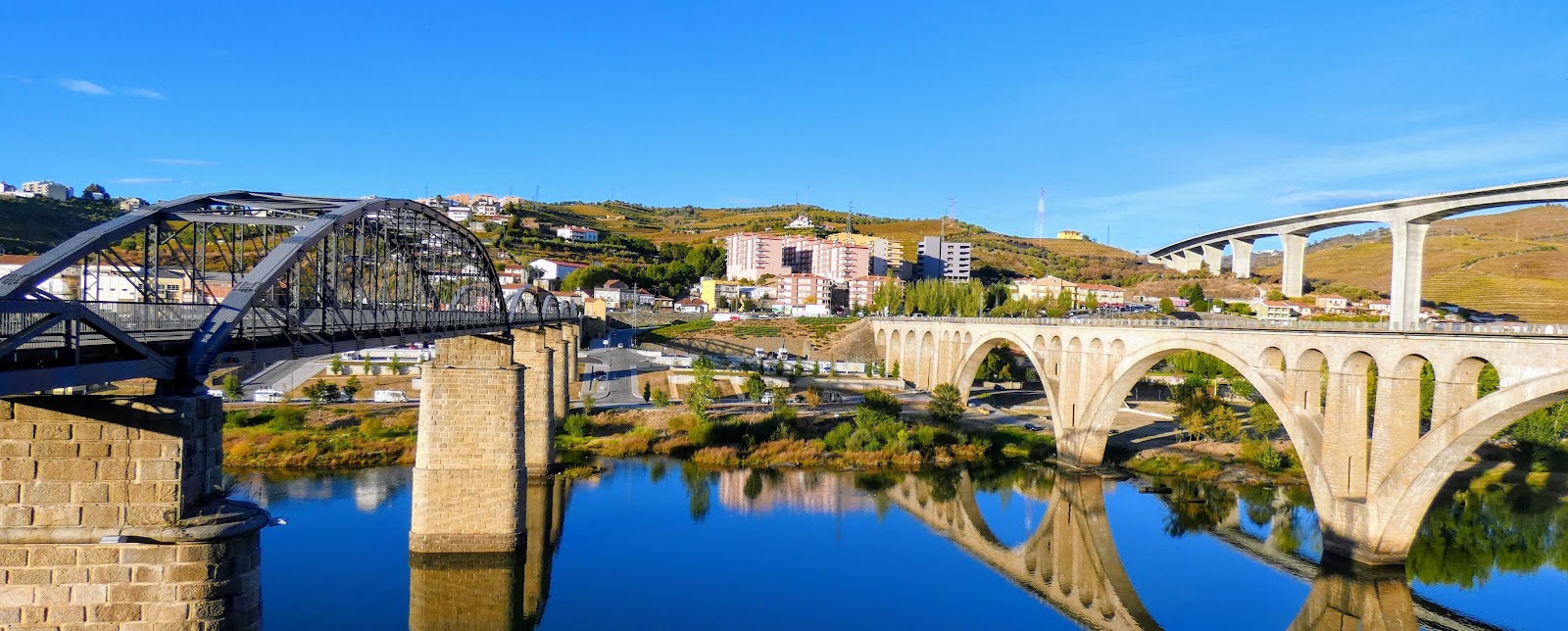
Start with the river at Pinhão, where vineyard terraces rise behind a small town that has long served the wine trade. Quinta do Bomfim, acquired by the Symington family in 1896, is closely associated with Dow’s ports. Its visitor experience helps connect the vineyard outside with the wine in your glass: the heat, the schist, and the steep terrain all matter. For Americans who know port mainly as a restaurant afterthought, tasting it here gives the wine an entirely different setting. Book an English-language visit ahead, especially around harvest.
Bomfim makes a particularly practical anchor for a day from Porto, usually requiring around two hours on the road, depending on traffic and route. Before your appointment, look at Pinhão station’s blue-and-white tile panels depicting vineyard work and river transport. Then give the estate your attention rather than rushing onward. The Alto Douro Wine Region received UNESCO World Heritage recognition in 2001, but these scenes explain its significance more personally: this beautiful landscape is also a workplace shaped by generations of demanding labor.
2. Quinta da Roeda, for a closer look at the vines
Also near Pinhão, Quinta da Roêda belongs to Croft, a port house with roots dating to 1588. The estate provides a useful counterpoint to a cellar-focused visit because the vineyard itself is central to the experience. Walking among the vines makes the valley’s scale tangible. From the road, terraces look almost decorative; on foot, the slope and the sun reveal how much effort goes into farming them. Choose a vineyard experience suited to your walking preferences, and ask about the ground underfoot before booking.
For a couple who enjoys wine-country walks in Sonoma or Tuscany, Roêda offers familiar pleasures with a distinctly Portuguese vocabulary. Touriga Nacional, Touriga Franca, and Tinta Roriz replace the usual conversation about Cabernet or Sangiovese. A local driver/guide can shape the day around the guests, pairing this outdoor stop with a shaded lunch or a shorter tasting elsewhere. Bomfim and Roêda are sensible neighbors, not reasons to cram in more appointments. In summer, schedule walking early and carry water, particularly when traveling with children or older relatives.
3. Quinta do Seixo, where the view explains the wine
Across the river from Pinhão, near Valença do Douro, Quinta do Seixo combines Sandeman’s recognizable name with a spectacular hillside setting. The approach climbs above the water, giving you the sort of perspective that maps cannot provide. Vineyard parcels face different directions, terraces follow the folds of the hills, and the river bends out of sight. Inside, the winery visit introduces port production, including the crucial addition of grape spirit that stops fermentation and preserves some of the grapes’ natural sweetness.
This is a strong choice for travelers who appreciate a clearly structured introduction before a tasting. Reserve the specific visit you want, since tasting selections and formats differ. Although Seixo looks close to Pinhão on a map, its winding approach deserves breathing room. A Portugal Magik day in a Mercedes-Benz vehicle lets everyone enjoy the wines without appointing a designated driver or negotiating unfamiliar hillside roads. Leave time afterward for a quiet look across the valley. The view is part of the explanation, not merely the photograph.
Browse our travel inspiration for ideas, or tell us what kind of day you have in mind.
4. Quinta da Pacheca, for a day built around lunch
Near Peso da Régua, on the Lamego side of the river, Quinta da Pacheca suits visitors who want wine and food to share the day equally. The estate’s name appears in an eighteenth-century document, and its story encompasses both port and unfortified Douro wines. That distinction matters for American wine lovers: the valley is not only a destination for sweet wines. Its dry reds can be deeply satisfying at the table, while whites offer a different expression of a region often associated with heat and dark fruit.
Pacheca has an on-site restaurant, making it a useful choice when you would rather settle in than transfer between lunch and a tasting. Reserve both separately unless your booked experience explicitly combines them. Across the region, look for dishes such as roasted kid, bacalhau, and substantial preparations of pork, with the actual menu guiding your wine choice. Compared with a day built around famous labels in France or Italy, the appeal here is how much place, history, and food can fit into a modest number of stops.
5. Quinta do Vallado, for family history near Regua
Quinta do Vallado, established in 1716 near Peso da Régua, once belonged to Dona Antónia Adelaide Ferreira. The nineteenth-century businesswoman became a defining figure in Douro wine, and the estate remains connected to her descendants. Her story gives a tasting human weight: wine history here is not simply a succession of vintages, but also a history of land, enterprise, and families. Vallado is particularly interesting for guests whose curiosity extends beyond port to the Douro’s dry wines.
Its location makes Vallado a practical alternative to traveling farther upriver, especially for families or retirees who prefer fewer bends and a longer lunch. English-language visits are available by arrangement; confirm the language when reserving. Ask how old mixed vineyards differ from parcels planted with individual grape varieties. That question often unlocks a more interesting discussion than asking which bottle scores highest. For a one-day outing, Vallado and a nearby lunch can feel complete without adding Pinhão simply because it appears on every itinerary.
6. Quinta do Crasto, for travelers happy to linger
Above the Douro near Gouvinhas, Quinta do Crasto rewards travelers interested in vineyard character and serious dry reds alongside port. The estate traces its documented history to 1615, and its old vineyards are central to its identity. This is a compelling choice for Americans who already collect wine and want to understand field blends, where different varieties grow together rather than occupying separate blocks. Arrange a visit in advance and allow generous travel time: the final roads demand more patience than the map suggests.
Crasto works best as a deliberate destination, not an extra tasting squeezed into late afternoon. Choose it instead of another estate, then let lunch and the journey frame the visit. Across all six properties, compare what each booking includes rather than assuming Portugal is automatically cheaper than Spain, France, or Italy. The strongest value is often time well spent. Pick two estates at most, leave room for the table, and take home a story as well as a bottle.
Plan your own day
Share your dates, group size and interests, and we will suggest a tailored plan with a local driver/guide.