
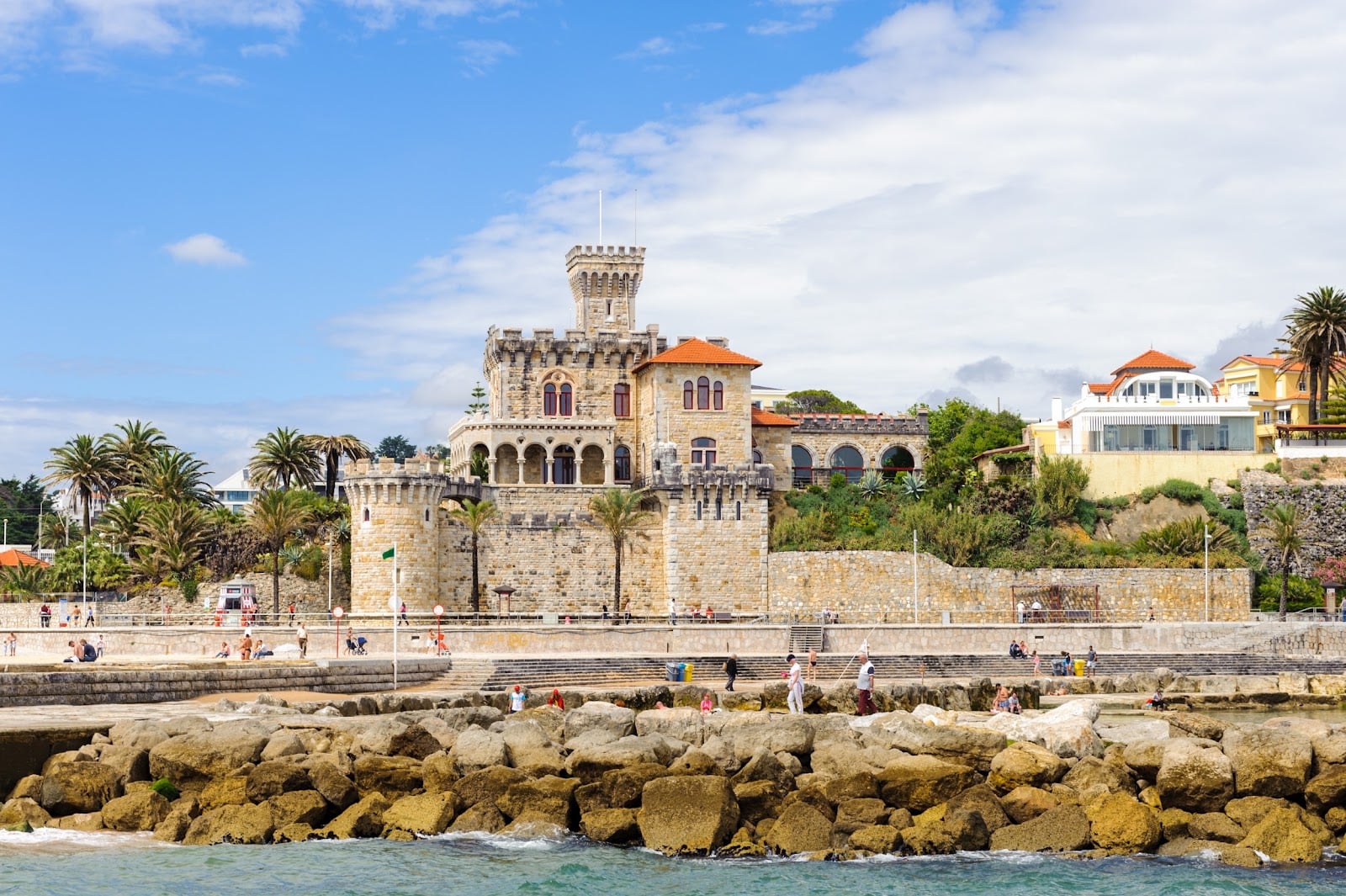
From genuine hospitality and fluent English to compact travel distances and low stress streets, Portugal offers American travelers an exceptionally comforting European journey.
1. English is spoken with ease and genuine warmth
For many Americans stepping into Europe, language anxiety is real. You worry about pronouncing train stations correctly or misreading a menu in a countryside tavern. In Portugal, that tension evaporates almost immediately. Because foreign television and cinema have long been subtitled rather than dubbed, generations of Portuguese grew up hearing conversational English, and schools emphasize foreign languages early.
Step into a pastelaria in central Lisbon or a small ceramic shop in Caldas da Rainha, and the greeting is often bilingual, polite, and completely unforced. Servers patiently explain whether the daily fish is sea bream or sea bass, shopkeepers gladly recount the history of their hand-painted swallows, and locals at sidewalk cafes will happily point you toward the correct miradouro. It is not merely that English is understood; it is that no one makes you feel awkward for asking.
2. Walking city streets after dark feels calm and peaceful
Personal safety ranks high among the concerns of American couples and multi-generational families planning vacations abroad. Portugal consistently registers as one of the most peaceful nations on earth, and you sense that stability within your first evening walk. Streets in neighborhoods like Chiado in Lisbon or Foz do Douro in Porto remain lively with multi-generational families, elderly neighbors chatting on stone doorsteps, and couples strolling without apprehension long after sunset.
Violent crime is exceedingly rare, and aggressive street hustling is virtually absent. While standard common sense applies in busy public transit hubs, the underlying atmosphere across towns and cities is one of neighborhood pride and shared community. Travelers can enjoy a late dinner of grilled sardines and rice pudding, then take a quiet walk back to their hotel through lamplit alleys without a second thought.
3. Highlights sit comfortably close together
In vast countries like Spain, France, or Italy, ticking off major cultural regions often demands grueling seven-hour driving days or stressful connections through chaotic airport terminals. Portugal is delightfully compact. From Lisbon, you can admire the mossy ramparts of Sintra in under an hour, or reach the medieval fortress walls of Obidos and the Atlantic breakers of Nazare before lunchtime.
Even connecting the grand historical sights of Lisbon to the granite banks and port cellars of Porto takes only about three hours on modern highways. This sensible geography keeps vacation fatigue at bay. Traveling with a professional driver in a Mercedes-Benz vehicle lets your party watch the rolling eucalyptus and pine hills drift past, arriving refreshed rather than exhausted by rental car counters and foreign toll booths.
Browse our travel inspiration for ideas, or tell us what kind of day you have in mind.
4. Modern roads make avoiding the driver seat a joy
Navigating historic European centers can be an American driver nightmare: manual transmissions on thirty-degree grades, strict automated camera zones, and medieval alleyways originally planned for pack mules. Portugal maintains world-class highway arteries, but its historic quarters require local instinct and steady hands to maneuver without frustration.
By handing the keys over to a knowledgeable local driver and guide, your journey shifts from logistics management to pure discovery. An experienced guide can easily shape the day around your preferred morning pace, knowing precisely where to turn off the A1 for a quiet lunch of roast suckling pig in Bairrada or where to park close to the Roman temple in Evora so family members avoid steep cobbles.
5. Outstanding food and wine without pretension or inflated bills
American travelers accustomed to eye-watering restaurant bills in Paris, Rome, or London often find Portuguese dining to be a revelatory breath of fresh air. Here, world-class dining is built on pristine Atlantic ingredients, sun-drenched olive oils, and generations-old family recipes rather than culinary showmanship. A simple lunch of charcoal-grilled octopus drizzled with garlic oil, accompanied by fresh crusty bread and crisp Vinho Verde, costs far less than an ordinary sandwich back home.
Even at celebrated regional establishments, exceptional bottles from the Dao, Alentejo, or Douro regions are presented at honest vineyard prices. Winemakers take pride in accessibility, and restaurant owners genuinely want you to taste their local cheeses and cured ham without lingering anxiety over the check at the end of the evening.
6. A civic culture rooted in kindness toward guests
Beyond statistics and logistics, what stays with American visitors longest is the gentle disposition of the Portuguese people. There is an innate dignity and quiet courtesy woven into everyday interactions. Bus drivers wait patiently for older passengers to find their seats, waiters welcome young children into dining rooms with open affection, and strangers will walk half a block out of their way just to make sure you find the right museum entrance.
This hospitality never feels transactional or performed for tourism. It is simply the national habit of treating visitors as valued guests in their home. Whether you are pausing for an espresso alongside taxi drivers in a quiet square or watching fishermen mend green nets in Cascais, you are met with calm eyes, respectful smiles, and a reassuring sense of belonging.
Plan your own day
Share your dates, group size and interests, and we will suggest a tailored plan with a local driver/guide.