From the morning produce stalls at Mercado da Ribeira to supper in Campo de Ourique, Lisbon offers a day of eating with a sense of place. For American travelers, the pleasure lies in discovering how easily good food, neighborhood history and an unhurried pace fit together.
1. Mercado da Ribeira gives the morning a proper beginning
Begin near Cais do Sodré while shopping bags still outnumber lunch trays. Mercado da Ribeira opened in 1882, and its traditional market remains distinct from the better-known food hall within the building. Come in the morning, preferably on a weekday or Saturday, to see the produce and fish stalls doing their everyday work. Check current trading hours before setting out, since the fresh market and food hall keep different schedules. This is a working market first, not a performance arranged for visitors.
For Americans who enjoy the markets of Paris or Barcelona, the appeal is familiar, but the ingredients tell a Portuguese story. Look for bundles of greens destined for soup, citrus when in season and fish displayed with a clarity that makes the Atlantic feel close. There is no need to buy a suitcase full of provisions. A slow circuit, a coffee nearby and a little attention are enough to begin understanding the city.
2. The fish counter makes the lunch menu more interesting
Stay with the fish stalls a little longer. Depending on the catch, you may see silver horse mackerel, bream, hake or octopus. Sardines belong especially to the warmer months, so do not make them the test of an authentic visit in every season. Salt cod tells a different story: Portugal’s celebrated bacalhau tradition depends on preserved fish historically brought from northern waters, rather than a fresh catch from just outside Lisbon.
These distinctions turn lunch into something more memorable than choosing the most recognizable dish. Later, arroz de polvo means octopus rice, usually served moist rather than dry; pastéis de bacalhau are salt-cod and potato fritters. For families, matching a market sighting to a plate can be more engaging than another formal sightseeing stop. Ask before photographing vendors, and leave room for customers making their purchases. The best market encounters begin with courtesy rather than a camera.
3. Time Out Market makes a shared lunch remarkably simple
By late morning, move into Time Out Market Lisboa, which opened inside Mercado da Ribeira in 2014. The contrast is part of the pleasure: a historic municipal market alongside a contemporary food hall, with restaurant counters gathered around communal tables. For couples with different appetites or families spanning several generations, the arrangement solves a familiar travel problem. Everyone can choose separately without committing the whole party to one menu.
English is widely used at this visitor-oriented venue, and browsing the displayed menus gives you time to decide without feeling rushed. Portuguese dishes sit alongside international choices, so curious eaters and cautious ones can both find a starting point. Arrive before the main lunch rush if conversation matters more than atmosphere at full volume. This is a lively, popular hall, not a quiet restaurant, and shared seating may require patience. Keep bags close in the crowds, just as you would in any busy European attraction.
Browse our travel inspiration for ideas, or tell us what kind of day you have in mind.
4. Small orders let you explore without a ceremonial meal
Instead of treating lunch as a grand tasting exercise, choose a few things you genuinely want to eat. A salt-cod fritter, a seafood dish and a glass of Portuguese wine can introduce several traditions without occupying the entire afternoon. Look for a white from Vinho Verde, remembering that the name refers to a wine region and does not mean every bottle is sweet or noticeably fizzy. Ask about the style before ordering.
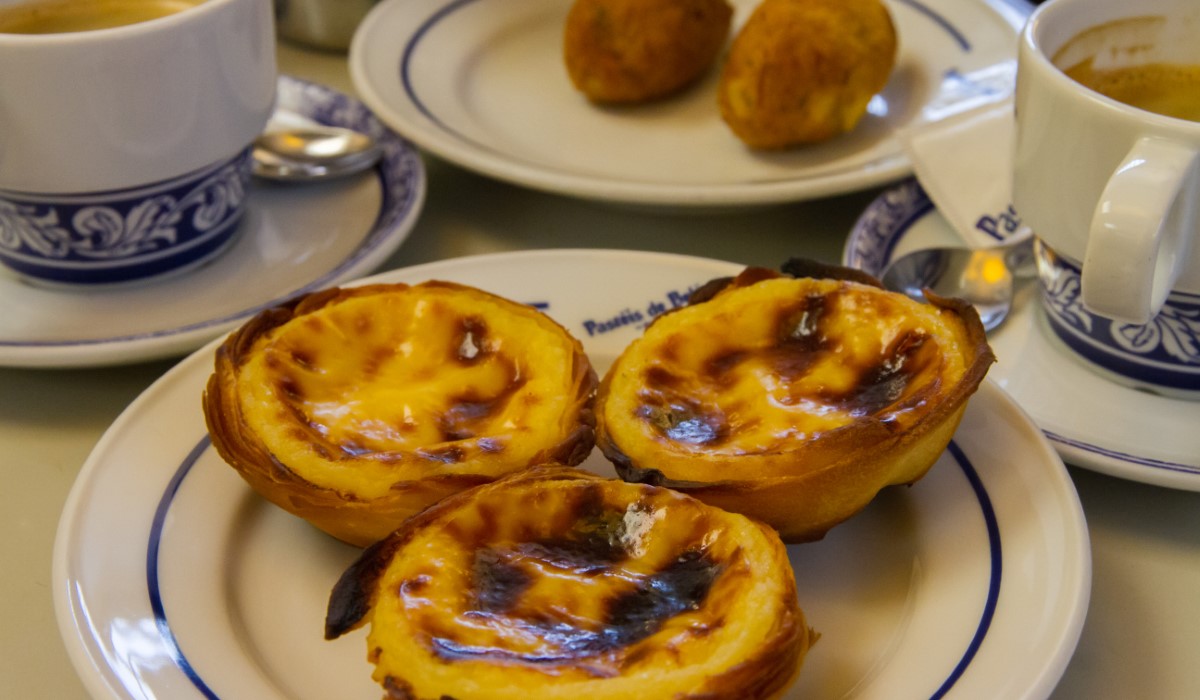
For travelers comparing Portugal with France, Italy or Spain, this format offers useful control over spending: menus show the choices, and you decide how much to order. Lisbon’s famous food halls are not automatically cheaper than neighborhood restaurants, so value is better judged by what you actually enjoy. Finish with a pastel de nata from Manteigaria, which has a counter at the market. Its crisp pastry and custard need little explanation, although a small espresso makes a persuasive companion.
5. Campo de Ourique adds a neighborhood to the story
After lunch, change neighborhoods rather than hurry toward another plate. Campo de Ourique lies away from the riverfront, with residential streets, independent shops and Jardim da Parada, officially Jardim Teófilo Braga. A pause on a garden bench gives the day breathing room. Nearby, Casa Fernando Pessoa occupies the building where the poet spent his final years, offering a literary stop if opening hours and your interests align.
Mercado de Campo de Ourique opened in 1934 and gained its food-hall format in 2013. Like Ribeira, it combines market heritage with places to eat, but the surrounding neighborhood gives the visit a different context. Fresh-food traders generally belong to the earlier part of the day; an afternoon or evening visit is chiefly about the dining counters, not a full produce-market experience. Browse first, then decide whether supper belongs here. The pleasure is having time to choose, rather than collecting another market name.
6. The day can follow your appetite instead of a timetable
The distance between the riverfront and Campo de Ourique is manageable by car, although Lisbon traffic makes exact journey times variable. With Portugal Magik, a local driver/guide can shape the day around the guests, using a Mercedes-Benz vehicle between neighborhoods and leaving time for the parts that hold their attention. That might mean a longer morning market visit, a museum interlude or an earlier supper, without anyone in the party having to navigate or park.
For American couples, families and retirees, that flexibility is often more valuable than adding another stop. Tell your guide about mobility needs, since market floors, busy aisles and communal seating deserve consideration. Then leave a little room for an unplanned pleasure: bread worth sharing, a wine worth remembering or one last coffee. A good Lisbon market day ends not with everything tasted, but with a clearer sense of where you have been.
Plan your own day
Share your dates, group size and interests, and we will suggest a tailored plan with a local driver/guide.