A day from Lisbon’s riverside pastry counters to Cascais and back reveals why Portugal makes such an appealing first encounter with Europe. The distances are manageable, the welcome is approachable, and the stories stay with you.
1. The first morning feels welcoming rather than complicated
Begin in Belém, where Lisbon opens toward the Tagus and breakfast comes wrapped in a little history. At Pastéis de Belém, the custard tarts have been sold since 1837, following a recipe associated with the nearby Jerónimos Monastery. Order a coffee, break through the pastry’s crisp layers, and let the first sightseeing decision wait. For Americans arriving in Europe for the first time, this is a reassuring introduction: something unfamiliar enough to be memorable, but simple enough to enjoy before mastering a single Portuguese verb.
English is widely spoken in Lisbon’s visitor-facing restaurants, hotels, and attractions, although a greeting of bom dia is always worth learning. Portugal also has a well-established reputation as a generally safe destination. That does not eliminate ordinary city precautions: keep bags close in busy places and be alert around crowded public transport. Still, the morning can be about warm pastry and riverside light rather than the anxiety of getting everything right.
2. Big European history comes with a human story
A short walk brings you to Jerónimos Monastery, commissioned by King Manuel I in the early sixteenth century. Its elaborate Manueline stonework draws the eye toward carved ropes, botanical forms, and royal symbols. This is European history at full scale, yet it is easy to connect with through one voyage: Vasco da Gama’s expedition reached India by sea in 1498, helping establish maritime routes that transformed Portugal’s wealth and influence.
The story deserves more than uncomplicated celebration. Portuguese expansion also involved conquest, exploitation, and enslavement, subjects that belong alongside the architecture’s beauty. For well-traveled Americans, that complexity makes the visit more rewarding, not less. Rather than racing through several monuments, choose the monastery as the morning’s substantial stop and allow for ticket arrangements and queues. Europe need not begin with an exhausting checklist. One building, understood properly, can provide enough conversation for the drive that follows.
3. A change of scenery does not consume the day
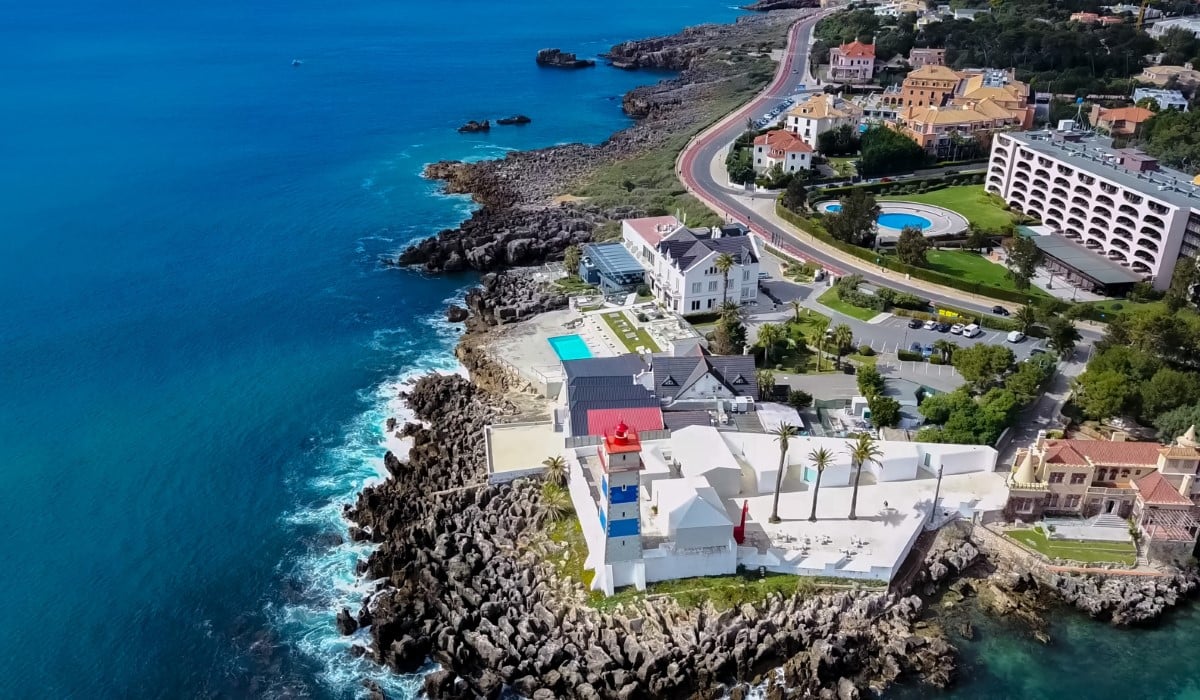
From Belém, continue west toward Cascais, roughly 25 kilometers away by road, with journey time depending on traffic and route. The urban riverfront gradually gives way to the Atlantic coast. Choosing the coastal road adds views through places such as Carcavelos and Estoril, while the faster inland route can make sense when lunch matters more than another photograph. This flexibility is one reason the Lisbon area works so well for a first European trip.
A Portugal Magik local driver/guide, traveling with guests in a Mercedes-Benz vehicle, can shape the day around their interests, energy, and preferred pace. That might mean a longer monastery visit, a coastal pause, or simply reaching the lunch table without negotiating unfamiliar parking. Couples can keep their attention on the view; families avoid making one parent the permanent navigator; retirees can reserve their walking energy for the places they actually came to see.
Browse our travel inspiration for ideas, or tell us what kind of day you have in mind.
4. Lunch offers a clear sense of place and sensible choices
In Cascais, walk toward Praia da Ribeira, the small beach beside the historic center, before finding lunch. The town’s fishing heritage makes seafood a natural choice. Look for grilled fish, perhaps robalo, or sea bass, and dourada, or gilthead bream. Sardines are especially associated with the warmer months. A plate accompanied by boiled potatoes and vegetables needs little explanation, while arroz de marisco, a brothy seafood rice, offers something more distinctly Portuguese to share when the menu allows.
For wine, a white from Bucelas, a region north of Lisbon known for the Arinto grape, brings lively acidity to the table. Portugal can offer attractive restaurant and wine value compared with prominent visitor districts in France, Italy, and Spain, though the advantage depends on the address and the order. Check whether whole fish is priced by weight and remember that bread, olives, and other couvert items are generally charged if consumed. Good value begins with understanding the menu, not expecting every seaside table to be inexpensive.
5. Different generations can enjoy the same afternoon
Cascais became a fashionable seaside retreat after King Luís I began spending part of the year here in 1870. That royal connection helps explain the villas and grander buildings around what was once a fishing settlement. Yet the pleasure of an afternoon here need not depend on another admission ticket. Walk the waterfront, browse the streets behind the beach, or sit with an ice cream and watch the changing colors of the bay.
The center offers relatively level stretches, a welcome contrast to Lisbon’s hills, although cobbles and uneven surfaces still deserve attention. If everyone wants more Atlantic scenery, continue toward Guincho, a broad beach backed by dunes northwest of town. It can be windy, with strong surf, so think of it as a place for sea air and a shoreline stroll rather than an assumed swimming stop. A memorable family day leaves room for different appetites, including the perfectly reasonable wish to sit down.
6. The evening leaves you curious, not worn out
Return to Lisbon for dinner without trying to add Sintra’s palaces to an already satisfying day. At a traditional restaurant, bacalhau à Brás brings together shredded salt cod, finely cut fried potatoes, onions, and eggs, usually finished with parsley and olives. After the freshness of a coastal lunch, it introduces another side of Portuguese food: the enduring importance of preserved cod, imported across the North Atlantic and made thoroughly local through generations of recipes.
This is Portugal’s persuasive opening chapter for Americans comparing European destinations. In one day, there has been monumental architecture, a complicated maritime story, a seaside town, good wine, and time to enjoy them without taking the wheel. France, Italy, and Spain offer their own extraordinary beginnings. Portugal’s invitation is quieter: start here, pay attention, and leave enough room in the day to want another.
Plan your own day
Share your dates, group size and interests, and we will suggest a tailored plan with a local driver/guide.