
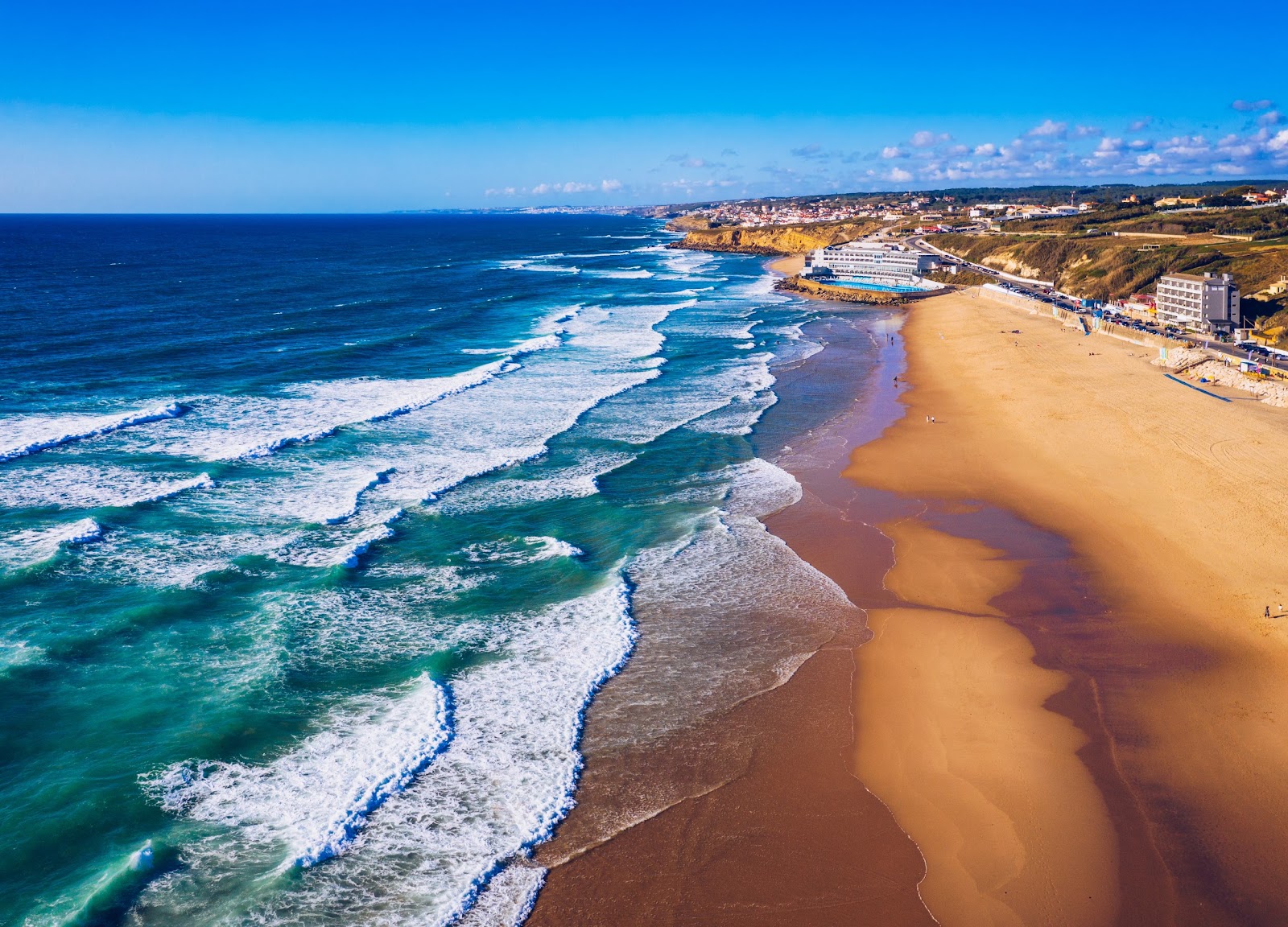
A memorable day between Lisbon, Sintra and Cascais depends less on collecting sights than on leaving room to enjoy them. These eight planning adjustments turn a crowded checklist into a day of palace stories, good fish and Atlantic air.
1. Treating a small country as a quick country
On a map, Lisbon, Sintra and Cascais look like an easy triangle. They can make a wonderful day, but only if the spaces between them remain part of the experience. Lisbon to Sintra often takes around 40 minutes by road in light traffic; hotel location, commuter traffic and conditions around the historic center can stretch that considerably. A short distance is not a promise of a quick arrival.
Begin this day after a proper night’s sleep in Lisbon, rather than immediately after an overnight flight from America. Leave Porto and the Algarve for another part of the trip. The reward for keeping your geography modest is tangible: time to notice Sintra’s wooded slopes instead of watching the dashboard clock.
2. Booking the famous palace without choosing the right experience
Pena Palace supplies the hilltop colors seen in countless photographs, but it is not automatically the best choice for every couple or family. Its hillside setting, internal access arrangements and timed palace admission require planning. For a day that also includes the coast, consider the National Palace of Sintra, in the historic center, as your principal visit rather than trying to see both.
Beneath its two enormous kitchen chimneys, the National Palace tells a long story of Portuguese royalty through courtyards, painted ceilings and tiled rooms. The Swan Room and Magpie Room reward looking slowly. Its central location simplifies the day’s geography, although visitors with mobility concerns should still check the current accessible route rather than assume an old royal residence is step-free.
3. Assuming a driver removes every access complication
Having someone else handle the road is a genuine pleasure here, especially for Americans who would rather not decipher unfamiliar parking rules on vacation. But a car does not eliminate pedestrian areas, restricted roads or the walk between a permitted drop-off point and an entrance. In Sintra, those details matter more than the mileage from Lisbon.
Portugal Magik offers private touring in Mercedes-Benz vehicles, and a local driver/guide can shape the day around the guests, including realistic walking distances and time for breaks. Discuss those needs before booking tickets. An energetic couple might want a longer village walk; grandparents traveling with children may prefer one substantial visit and a comfortable lunch. Neither version needs to borrow the other’s timetable.
Browse our travel inspiration for ideas, or tell us what kind of day you have in mind.
4. Scheduling every minute and missing Sintra’s smaller stories
After the palace, resist the urge to race directly toward another entrance. Sintra’s center deserves an interval with no admission ticket attached. Look back at the chimneys, follow a lane beyond the busiest shopfronts, then stop for something sweet. At Casa Piriquita, founded in 1862, a travesseiro brings flaky pastry and an almond-based filling to the table.
Queijadas offer a different local tradition: small cheese-based sweets in a thin pastry shell. Order one of each to share rather than turning the stop into a tasting marathon. English is widely spoken in visitor-facing businesses here, so ordering is usually straightforward. A greeting of ‘bom dia’ still makes the exchange warmer. This is the sort of pause that gives a palace morning a human scale.
5. Leaving lunch to whatever is nearest when hunger strikes
By early afternoon, continue toward Cascais and make lunch an anchor, not an emergency. Many Portuguese restaurants work within defined lunch and dinner services; arriving late can narrow your options. Reserve a table when the day depends on a particular restaurant, especially on weekends, and allow enough time to enjoy it without another timed admission pressing against dessert.
Grilled fish makes sense beside this stretch of Atlantic coast. Ask what is available and whether a whole fish is priced by weight before ordering. Açorda de marisco, a bread-based seafood dish often seasoned with garlic and coriander, offers another distinctly Portuguese choice. A glass of Bucelas Arinto brings a nearby wine region into the story, without requiring a separate winery excursion.
6. Confusing good value with everything being inexpensive
Americans accustomed to celebrated destinations in France, Italy or Spain may find Portugal rewarding for thoughtful spending, but countrywide bargain claims are misleading. A waterfront restaurant in Cascais, a sought-after hotel and a private touring day each have their own economics. Compare actual inclusions, location and season rather than expecting every Portuguese bill to undercut another European destination.
At lunch, bread, olives or cheese brought to the table may be a charged couvert, not complimentary hospitality. Ask if unsure, and decline anything you do not want before eating it. For touring, clarify whether admissions, guiding inside monuments and meals are included. Value becomes easier to recognize when the arrangements are clear and you are paying for the day you actually want.
7. Packing for sunshine and forgetting the Atlantic
After lunch, walk toward Praia da Ribeira, where the small beach opens onto Cascais Bay. The town became a fashionable seaside retreat after King Luís I began spending summers here in 1870. That royal chapter helps explain the grand houses, but the harbor and fishing boats keep the view from feeling merely ceremonial.
Bring a light layer even when Lisbon starts warm. Sintra can be cool and misty, while the coast can be windy; smooth-soled shoes are also a poor match for damp paving. Keep the afternoon walk optional for anyone tiring. Ordinary precautions still apply: watch bags in busy areas and do not leave valuables visible in a vehicle. Ease comes from preparation, not from assuming that a welcoming destination requires none.
8. Adding one last stop until the day loses its shape
Cabo da Roca is tempting, and Belém may appear convenient on the return toward Lisbon. Neither needs to be squeezed into this particular day. A scenic detour adds driving and walking; another monument adds its own opening hours and admission arrangements. Leave room for traffic on the return, especially if you have dinner reservations.
Instead, finish with a coffee overlooking Cascais Bay, then return to Lisbon with enough energy for the evening. You have followed a coherent story from royal rooms to village pastry to a seaside town, rather than sampled unrelated attractions at speed. The best itinerary correction is often subtraction: fewer appointments, more attention, and a day you can remember without consulting your photographs.
Plan your own day
Share your dates, group size and interests, and we will suggest a tailored plan with a local driver/guide.