A memorable wine day in Portugal need not mean hours between vineyards. In Lisbon, a thoughtful sequence of bottles and meals can introduce the country through Atlantic freshness, mountain-grown reds and a final glass worth lingering over.
1. Alvarinho, a northern welcome at the lunch table
Begin the morning browsing bottles in Chiado, then let the first pour wait for lunch. This is a day of discovering Portugal through Lisbon’s tables, not an attempt to visit eight wine regions. Ask a wine-focused restaurant or bar in advance about a tasting selection, since glass lists change. Shared tastes across lunch and dinner leave room for walking, conversation and the city itself.
Start with Alvarinho from Monção and Melgaço, beside the Minho River in northern Portugal. Americans who know Spanish Albariño will recognize the grape, but these Portuguese examples deserve their own attention: citrus, stone fruit and freshness, sometimes with considerable texture. Vinho Verde names the region, not a requirement that every wine be fizzy or sweet. With grilled prawns, a still, dry Alvarinho makes that distinction deliciously clear.
2. Bucelas Arinto, Lisbon’s nearby white-wine story
A second white brings the map closer. Bucelas, north of Lisbon in the municipality of Loures, is a small appellation devoted to white wine, with Arinto as its principal grape. Its wines have a long history of reaching British tables. Today, the immediate appeal is easier to understand than any export history: bright acidity, lemony character and the ability to develop beautifully with age.
Order it beside amêijoas à Bulhão Pato, clams prepared with garlic, olive oil and coriander. The dish takes its name from the nineteenth-century writer Bulhão Pato. For travelers accustomed to ordering Chablis with shellfish, this is an inviting Portuguese alternative, although not a stylistic duplicate. Keep some bread for the clam juices; the wine is only half the pleasure.
3. Dao Encruzado, a white worth slowing down for
Before leaving lunch, look for Encruzado from the Dão, the inland wine region centered around Viseu and surrounded by mountain ranges. The grape can produce whites with citrus and floral notes, balanced by a satisfying breadth on the palate. Some producers use oak; others emphasize a clearer, fruit-led expression. Asking which style is being poured is more useful than assuming every bottle will taste alike.
An American Chardonnay drinker may find the texture familiar while enjoying a different aromatic register. Try it with roasted fish or bacalhau com natas, the comforting baked dish of salt cod, potatoes and cream. This is also where Portugal’s value becomes tangible: compare producers and actual menu prices rather than assuming every Portuguese bottle automatically costs less than its French or Italian counterpart.
Browse our travel inspiration for ideas, or tell us what kind of day you have in mind.
4. Bairrada Baga, a red with an Atlantic edge
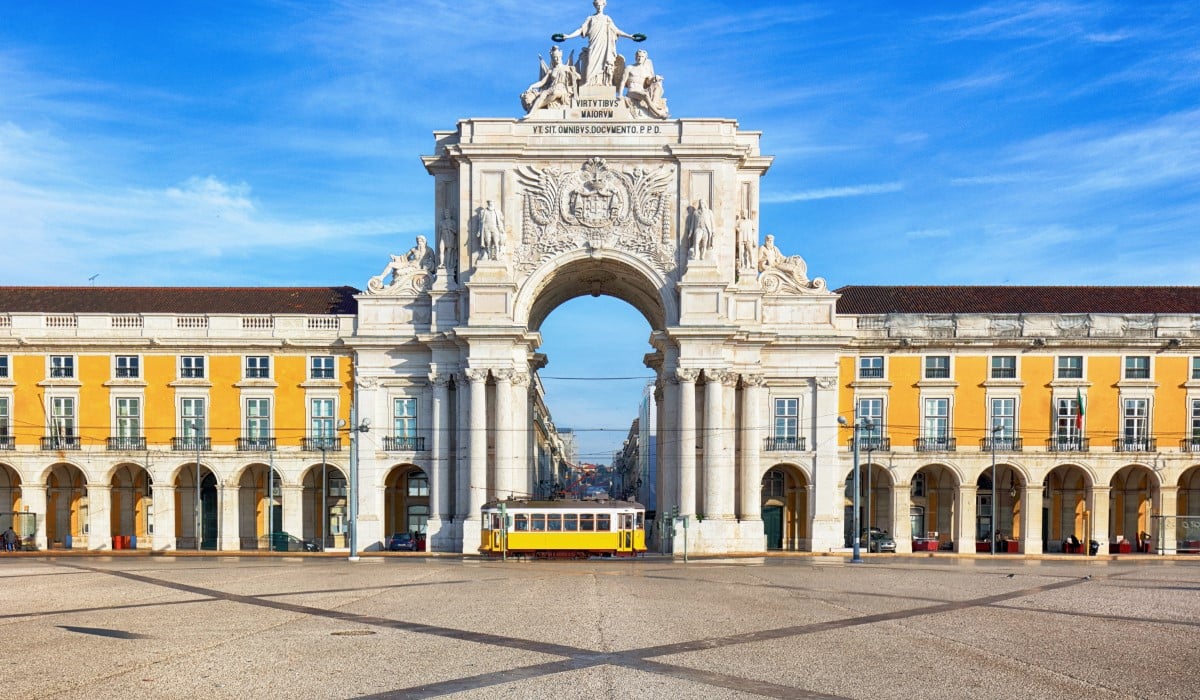
Give the afternoon back to Lisbon. Browse the shops around Chiado or pause beneath the arcades of Praça do Comércio before dinner. Portugal Magik’s Mercedes-Benz vehicles make transfers between selected stops comfortable, and a local driver/guide can shape the day around the guests, whether that means fewer hills, a longer lunch or time for family members who are not tasting. Nobody in the party needs to drive after wine.
At dinner, begin the reds with Baga from Bairrada, south of Porto around places such as Anadia and Mealhada. It often brings lively acidity and firm tannins, although style varies considerably. Its celebrated regional companion is leitão, roast suckling pig with crisp skin. If that is unavailable, roast pork makes a sensible partner. Think less about finding a Cabernet substitute and more about discovering why the grape belongs at a table.
5. Douro red, the valley beyond Port
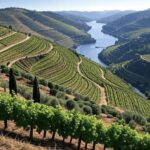
The Douro’s terraced landscape is famous for Port, but its dry reds deserve equal curiosity. Look for blends involving Touriga Nacional, Touriga Franca and Tinta Roriz, the Portuguese name used here for Tempranillo. Some older vineyards contain numerous varieties growing together, a living inheritance that can reach the bottle as a field blend.
Compared with the Baga, a Douro red may feel darker-fruited and fuller, though altitude, vineyard exposure and winemaking prevent any single description from covering the region. Pair it with roast lamb or beef. The valley was formally demarcated in 1756 to regulate the Port trade; the broader history of winegrowing is much older. Tasting a dry red adds another chapter to a place many Americans initially associate only with dessert wine.
6. Alentejo red, warmth without a single formula
Next, turn south toward the Alentejo. Blends of Aragonez, Trincadeira and Alicante Bouschet can offer generous fruit and a rounded texture, making them approachable for Americans who enjoy fuller California reds. Yet this is a large, varied region, not one uniform style. Wines from the higher ground around Portalegre can show a noticeably fresher side.
With pork and mushrooms, or a little cured sheep’s cheese, the wine becomes part of dinner rather than a separate exercise. Ask about talha wines, too: the Alentejo preserves a tradition of fermenting wine in large clay vessels with roots in Roman-era practices. Not every Alentejo bottle is made this way, so let the label or server establish the connection.
7. Moscatel de Setubal, an amber pause
For dessert, consider Moscatel de Setúbal, the fortified Muscat wine associated with the Setúbal Peninsula across the Tagus from Lisbon. It can suggest orange peel, flowers, dried fruit and nuts, with older examples developing deeper complexity. Its aromatic lift distinguishes it from the reds that came before.
A torta de Azeitão, the small rolled sponge cake filled with egg-yolk cream, makes a geographically fitting companion if available. Azeitão is also home to José Maria da Fonseca, founded in 1834, whose historic cellars offer another day’s destination. Tonight, the glass can tell that story without adding an excursion.
8. Aged tawny Port, a gentle finish
Finish, if appetite allows, with a shared taste of tawny Port carrying an age indication, perhaps 10 or 20 years. These wines are blended to express the character associated with the stated age, rather than coming from one vintage. Expect nutty, caramel and dried-fruit notes shaped by maturation in wood.
English is widely spoken in Lisbon’s visitor-facing restaurants and wine venues, making questions easy to ask. There is no need to finish every glass or chase every label. The best souvenir of this day is a handful of new names, remembered through the dishes and streets that gave them meaning.
Plan your own day
Share your dates, group size and interests, and we will suggest a tailored plan with a local driver/guide.