Many travelers arrive thinking Portugal is a one-time European checkmark, only to realize on their flight home that they barely skimmed the surface. Here is why American visitors consistently return for a second, deeper exploration.
1. The realization that Portugal holds distinct regional identities
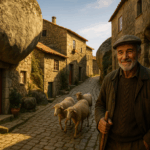
Most first-time visitors focus heavily on the classic Lisbon to Porto corridor. While that route provides a marvelous introduction, it covers only a fraction of the country. American travelers quickly realize that crossing a river or climbing a ridge brings a completely different way of living, architecture, and kitchen tradition. The northern Minho, with its granite villages and crisp Vinho Verde, feels nothing like the golden plains of the Alentejo dotted with holm oaks and whitewashed farmsteads.
Returning for a second journey allows travelers to skip the introductory landmarks and settle into areas that reward slower observation. A dedicated route through the central schist villages, the fortress towns along the Spanish frontier such as Marvao and Almeida, or the high valleys of Tras-os-Montes reveals a layered heritage that cannot be understood in a single week.
2. Exceptional everyday safety and genuine ease
Safety is often the primary reason American retirees, couples, and multi-generational families cite when booking a repeat visit. Portugal consistently ranks among the most peaceful nations on earth. Travelers notice the difference immediately in public spaces: evening strolls through dimly lit historic quarters feel entirely relaxed, public plazas remain family-friendly late into the night, and predatory tourist scams are remarkably rare compared to larger European capitals.
That physical peace of mind pairs naturally with the country’s ease of communication. English is spoken widely and with genuine patience across all generations. When traveling, not having to worry about complex safety logistics removes an invisible layer of travel fatigue, making the entire vacation deeply restorative.
3. Remarkable value compared to Western European neighbors
Travelers accustomed to dining in Paris, London, or Florence often experience pleasant disbelief when the check arrives in Portugal. The standard of hospitality, food quality, and accommodations matches or exceeds Western European counterparts, yet pricing remains grounded and sensible. A long lunch of wild sea bass, regional bread, local olive oil, and an exceptional regional red wine often costs a fraction of an equivalent meal in France or Italy.
This favorable value allows American visitors to elevate their travel style without friction. They can reserve sea-facing suites, schedule unhurried tastings at historic estates, and travel with dedicated private drivers who remove every transit hassle, all while staying comfortably within a responsible travel budget.
Browse our travel inspiration for ideas, or tell us what kind of day you have in mind.
4. The comfort of short drives and no rental car headaches
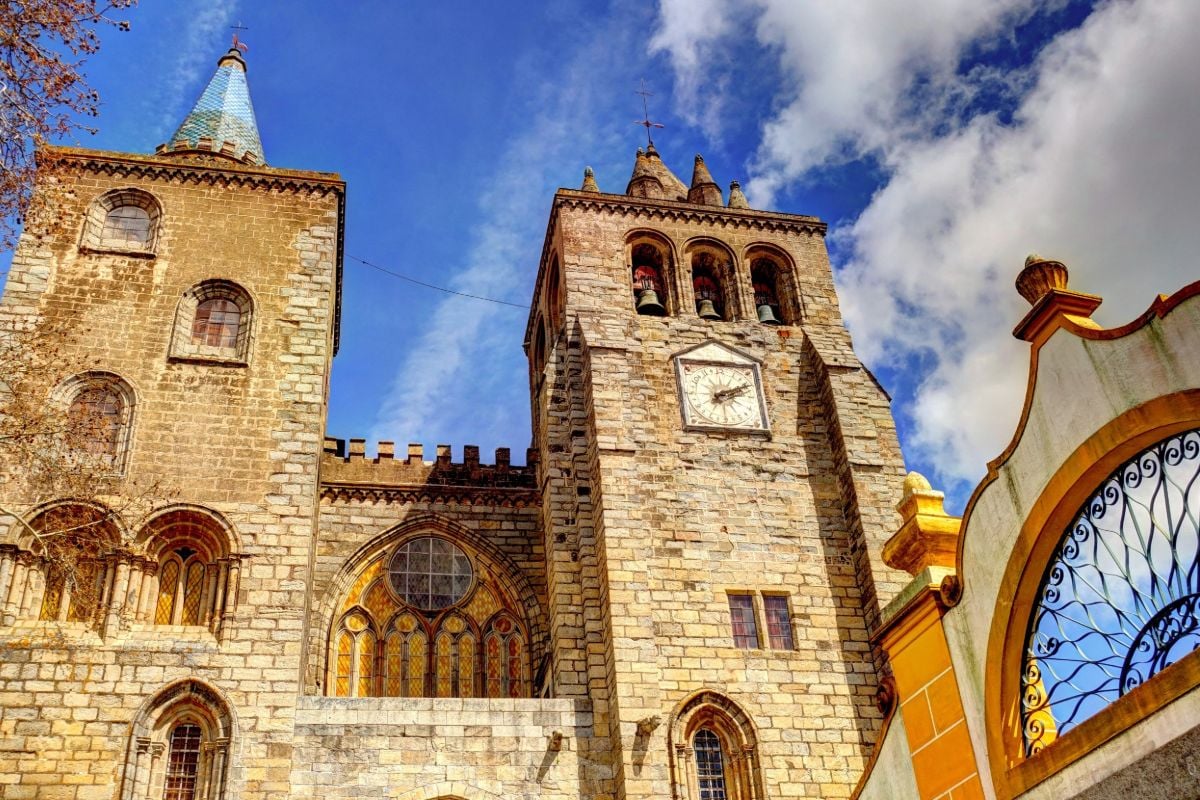
The United States requires immense driving times between major national landmarks, and even European countries like Spain or Germany involve long highway grinds. Portugal, by contrast, concentrates immense geographic and architectural variety into modest distances. You can wake up beside the Atlantic in Cascais, wander Roman temple ruins in Evora by early afternoon, and sleep within medieval ramparts before nightfall.
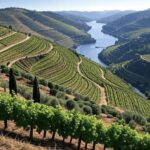
Navigating Portugal’s narrow cobblestone alleys, tight village corners, and complex electronic highway tolls can be daunting for foreign drivers. Returning travelers almost universally choose to leave the driving to a professional. Stepping into a quiet, climate-controlled Mercedes-Benz lets you watch the cork forests and vineyard terraces unfold outside while someone else manages navigation, village parking, and high-speed highway traffic.
5. Unhurried local hospitality that welcomes a flexible rhythm
First visits often suffer from an overpacked schedule of ticketed sights and museum lines. By trip two, visitors understand that Portugal is best experienced between the monuments. Portuguese daily life runs on a respectful, unhurried cadence where meals are celebrated rather than rushed, and shopkeepers take time to share the history of a ceramic pattern or linen weave.
Having a local driver and guide who can shape the day around the guests allows this rhythm to flourish organically. Instead of watching the clock to reach a rigid group tour, guests can pause for an impromptu espresso in a sunlit village square, linger over an Alentejano black pork stew, or detour down a dirt track toward an ancient olive mill when interest sparks.
6. A wine culture with endless native varieties to explore
American wine lovers frequently arrive with knowledge limited to Port wine and a few Douro reds. They depart amazed by the breadth of indigenous grapes that exist nowhere else in the world. With over two hundred native varieties, Portugal offers an extraordinary education for the palate. The second visit typically becomes a journey of specialized tasting across diverse terroir.
In the Dao, granitic soils and high elevation produce age-worthy reds with the elegance of Burgundy. In Bairrada, the stubborn Baga grape yields earthy, complex bottles alongside crisp traditional sparkling wines. Colares, on the sea cliffs near Sintra, preserves ungrafted vines rooted directly in ocean sand. Exploring these historic vineyards and meeting families who have tended the same slopes for centuries provides an intellectual and sensory depth that demands a second visit.
7. Fresher culinary traditions than travelers expect
American travelers often anticipate heavy stews and salt cod, only to discover one of the most ingredient-driven, ocean-fresh culinary traditions in Europe. Because Portugal faces the open Atlantic, coastal fish markets in Matosinhos, Peniche, or Setubal offer pristine sea bass, turbot, and octopus brought ashore just hours before hitting the grill. Seasoning is intentionally restrained, relying on sea salt, garlic, fresh coriander, and estate olive oil to let freshness lead.
A return trip invites deeper culinary exploration away from the tourist trails. Visitors seek out regional delicacies like migas tossed with wild asparagus, rich goat cheeses aged in mountain caves, and warm pastries dusted with cinnamon fresh from parish bakeries that date back over two centuries.
8. The depth of architectural history beyond the surface
On an initial trip, historic sites blur together into a pleasant wash of blue tiles and stone walls. When travelers return, they view the stone with informed curiosity. Portugal holds deep layers of history that predate the nation itself, from Celtic hill forts and Roman ruins in Conimbriga to Moorish castle walls in Silves.
The country also holds unique architectural movements that reflect its global maritime legacy, particularly the Manueline style seen in Tomar and Batalha, where nautical ropes, armillary spheres, and sea coral are carved directly into pale limestone. Exploring these monuments alongside a knowledgeable local host transforms ancient stones into clear, captivating narratives that remain with you long after you board your return flight home.
Plan your own day
Share your dates, group size and interests, and we will suggest a tailored plan with a local driver/guide.