From genuine ease of communication to peaceful travel distances, discover why American travelers find Portugal remarkably refreshing compared to classic Italian journeys.
1. English is spoken with natural warmth almost everywhere
American travelers visiting Rome, Florence, or smaller Tuscan hamlets often find themselves relying heavily on translation apps and hand gestures. While Italian charm is legendary, navigating train tickets, regional bus connections, or quiet trattorias can quickly become an exercise in patience. In Portugal, English is taught from an early age, movies are subtitled rather than dubbed, and everyday citizens greet English speakers with genuine fluency.
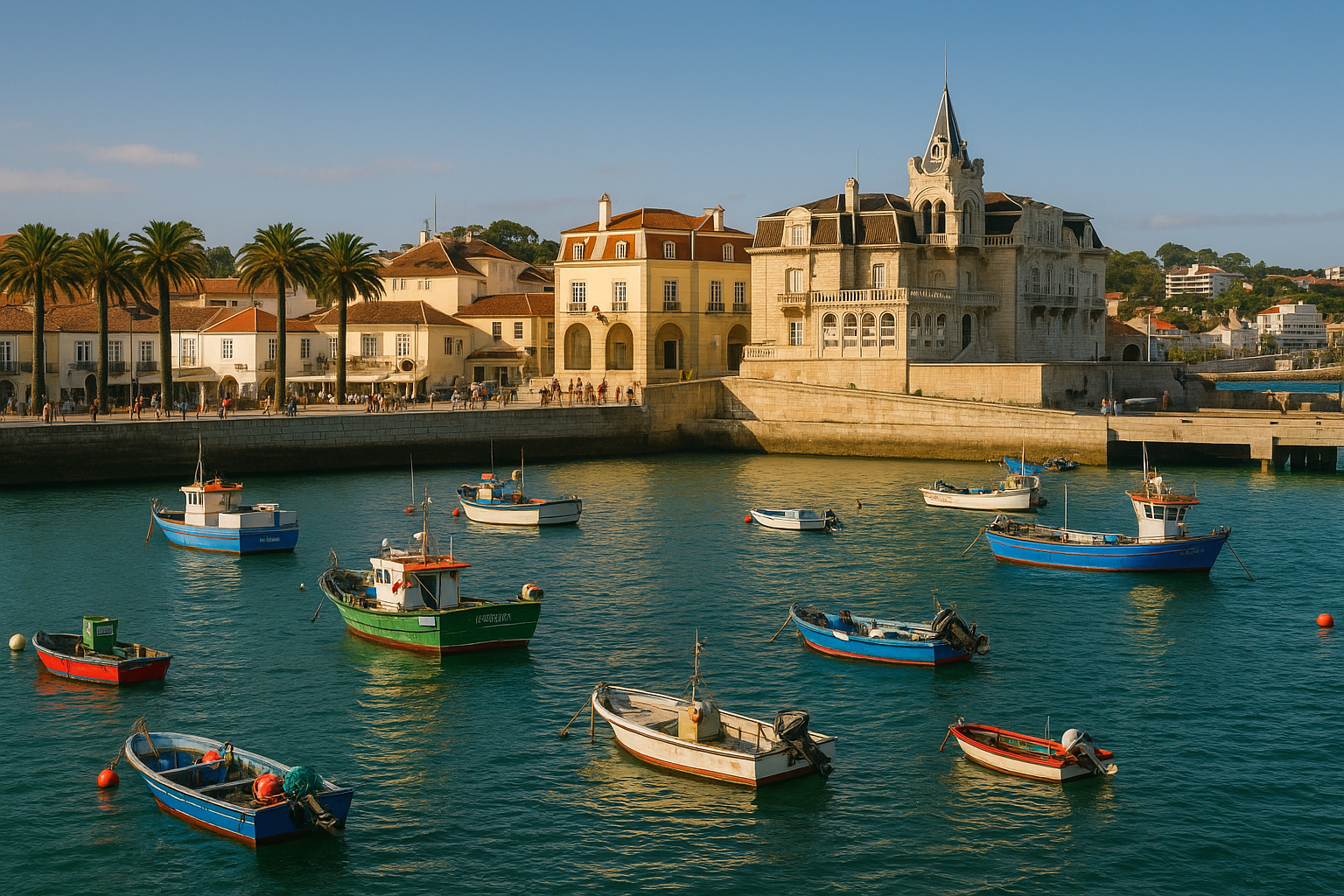
Whether you are ordering grilled sea bass at a harbor tavern in Cascais or asking about olive oil production in an Alentejo village, conversations flow without strain. This linguistic comfort removes the background tension of international travel, allowing you to ask deeper questions about history, wine, and daily life from the moment you step out of the airport.
2. Compact geography keeps driving times remarkably short
Crossing Italy from Venice down through Tuscany to the Amalfi Coast requires navigating vast distances, toll highways, high speed rail bookings, and luggage transfers between crowded platforms. Portugal, by contrast, sits neatly along the western edge of the Iberian Peninsula, offering an astounding variety of landscapes within two to three hours of driving.
In a single morning, you can leave the pastel avenues of Lisbon, cross through the pine scented fog of the Sintra hills, and settle into an oceanfront terrace in Ericeira for lunch. Having a local driver guide behind the wheel of a comfortable Mercedes-Benz vehicle means you never have to decipher foreign highway exits or search for parking in ancient towns. Your guide easily shapes the day around your personal rhythm, leaving you free to watch the coastline unfold outside your window.
3. Historic centers remain peaceful and manageable on foot
Walking through Venice in peak season or queuing for the Vatican Museums can feel like navigating an obstacle course of tour groups and selfie sticks. While Portugal treasures monuments of equal historical grandeur, such as the Gothic cloister of Batalha Monastery or the Roman temple in Evora, the scale remains human and the atmosphere remarkably serene.
In medieval towns like Obidos or Monsaraz, you can still hear your own footsteps along the whitewashed stone lanes. You can pause to admire hand painted ceramic tiles or step inside a twelfth century chapel without elbowing through throngs of visitors. The absence of relentless crowd pressure allows older travelers and multi generational families to explore at an unhurried, comfortable pace.
Browse our travel inspiration for ideas, or tell us what kind of day you have in mind.
4. Outstanding wine and regional dining without astronomical checks
Dining in central Florence or along the Amalfi cliffs often comes with tourist markups, seating fees, and steep bottle prices for modest house wines. Portugal has quietly maintained one of the finest culinary traditions in Europe, grounded in Atlantic seafood, pasture raised meats, and indigenous grape varieties, all delivered at exceptional value.
A midday meal in the fishing village of Setubal might feature choco frito, tender cuttlefish fried in light cornmeal, accompanied by a crisp white wine from the nearby Arrabida hills. Even at celebrated family run taverns, an extraordinary multi course lunch featuring regional cheeses, fresh bread, olive oil, and wood fired pork costs a fraction of an equivalent meal in northern Italy, leaving travelers feeling genuinely cared for rather than commodified.
5. Complete freedom from complex driving regulations
Anyone who has attempted to drive a rental car through Florence or Siena knows the dreaded acronym ZTL, the restricted traffic zones monitored by cameras that yield hefty traffic tickets months after returning home. Italian city centers are notoriously punitive for foreign drivers, and parking outside historic stone walls often demands steep uphill walks with heavy luggage.
Traveling across Portugal with a dedicated private driver eliminates rental car stress entirely. You avoid foreign fuel pumps, aggressive roundabouts, and confusing toll sensors. Instead, you are dropped off right at the portal of your hotel or the gates of Quinta da Regaleira, while your driver handles parking and vehicle security. The day belongs entirely to your curiosity rather than your navigation skills.
6. Exceptional safety and a welcoming cultural temperament
Portugal consistently ranks among the most peaceful countries in the world, and visitors feel that quiet security immediately upon arrival. While Italian transport hubs and major plazas require constant vigilance against pickpockets and aggressive street vendors, Portuguese cities maintain a calm, dignified rhythm.
Parents traveling with teenagers and seniors strolling through Lisbon neighborhoods like Chiado or Campo de Ourique at twilight can relax without feeling on edge. The Portuguese national character tends toward humility, gentleness, and respect for guests, meaning you are treated as a welcome visitor rather than an inconvenience.
7. Unhurried wine regions where winemakers still greet guests
Visiting Chianti or Montalcino often involves rigid tour schedules, prepaid tasting fees months in advance, and commercialized tasting rooms. By comparison, the terraced slopes of the Douro Valley and the sun drenched plains of the Alentejo feel remarkably intimate, retaining deep connections to multi generational family ownership.
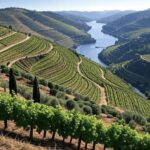
Along the quiet roads outside Pinhao, stone walled quintas welcome visitors to taste vintage ports and single estate Touriga Nacional overlooking the river bends. Conversations happen across rustic wooden tables with people whose families have tended the schist terraces for centuries. Your driver guide can shape the day around smaller, family operated estates where the focus remains on craftsmanship and hospitality rather than retail quotas.
8. Ocean breezes and maritime light create effortless afternoons
Much of central Italy becomes stiflingly hot and landlocked between June and September, with thick humidity settling over brick piazzas and marble courtyards. Portugal enjoys the constant, refreshing presence of the Atlantic Ocean, which cools coastal towns and paints the afternoon sky in clean, luminous hues.
After an active morning exploring the hilltop ramparts of the Castle of the Moors or the gilded library of Coimbra University, the ocean is never far away. You can finish your day watching Atlantic rollers crash against the cliffs of Cabo da Roca, breathing in sea salt while sipping a chilled glass of Vinho Verde. Travel should bring restoration rather than exhaustion, and Portugal provides that gentle balance naturally.
Plan your own day
Share your dates, group size and interests, and we will suggest a tailored plan with a local driver/guide.