From monastic egg yolks to flaky seaside crusts, here is how American travelers fall in love with Portugal through its historic bakeries.
1. Pasteis de Belem in Lisbon, where warm custard meets maritime history
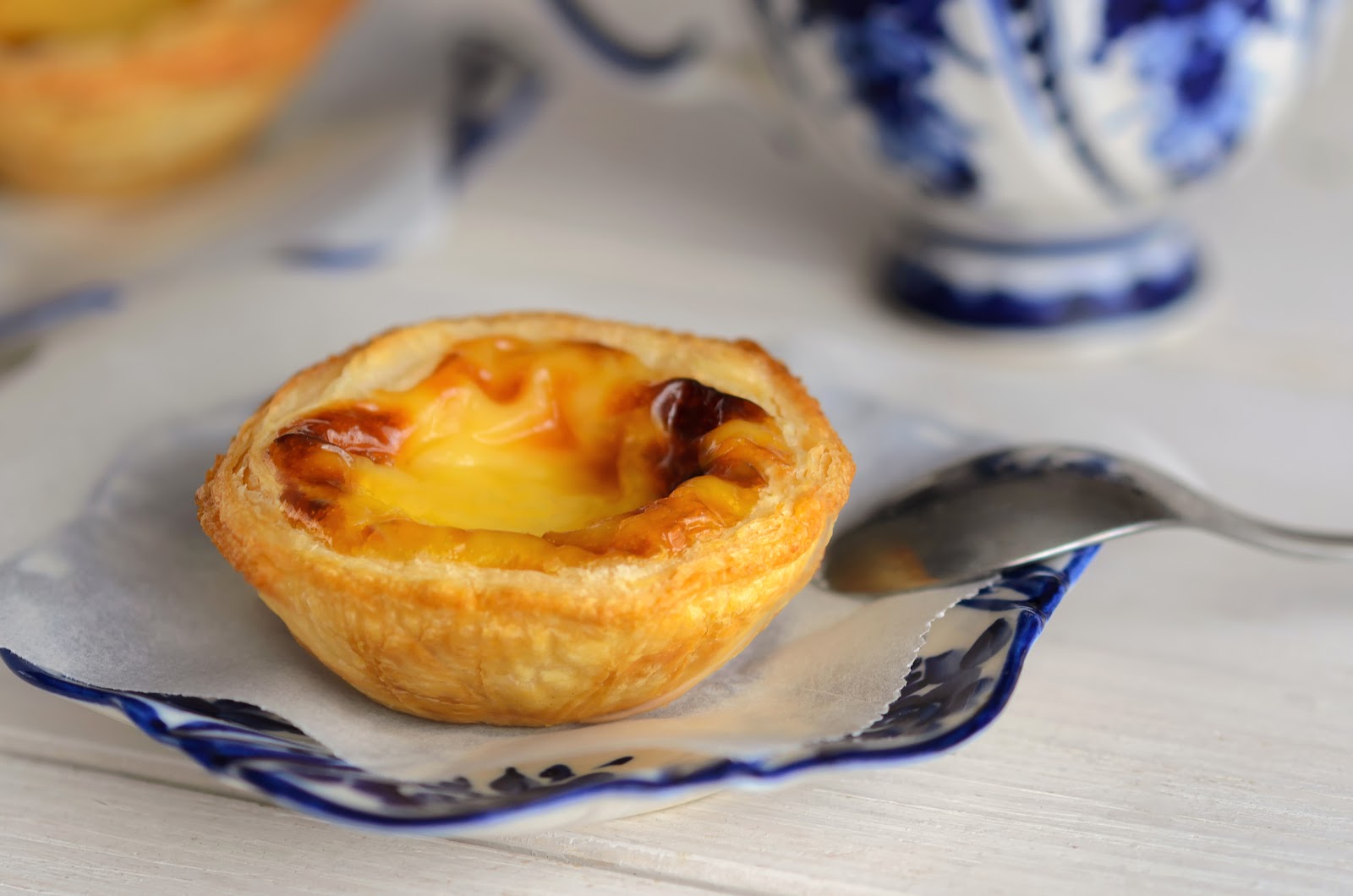
Almost every American traveler lands in Lisbon with a single food goal in mind: tasting a pastel de nata straight from the oven. While you can find custard tarts across the city, the pilgrimage to Casa Pasteis de Belem remains unmatched. Here, near the Jeronimos Monastery, monks developed the original recipe using leftover egg yolks after egg whites were consumed for starching religious vestments. The crust shatters delicately under the first bite, revealing a velvety custard that balances sweetness with a hint of salt.
Walking into the historic blue-and-white tiled salons offers an immediate sense of arrival. With cinnamon and powdered sugar shakers on the marble tables, American travelers appreciate how effortless the ritual feels, especially when paired with a strong espresso called a bica. Exploring this riverside quarter without the stress of navigating streetcars or steep parking lots allows you to focus purely on the warmth of the pastry in your hand.
2. Travesseiros at Piriquita in Sintra, crisp pillows of almond and egg cream
A morning in the cool, forested hills of Sintra often leads travelers straight to Casa Piriquita, a family-run bakery founded in 1862. The star confection is the travesseiro, which translates directly as pillow. It consists of whisper-thin, multi-layered puff pastry wrapped around a rich filling of almond cream and sweet egg paste, finished with a generous dusting of granulated sugar.
American visitors who love French bakeries often remark that the travesseiro feels distinctly lighter and more aromatic. A local driver and guide can shape the day around your appetite, timing your arrival in Sintra’s historic core between palace visits so you can bypass long mid-day queues and enjoy these pastries while they are still warm.
3. Ovos Moles in Aveiro, sweet maritime treasures wrapped in communion wafers
In the canal city of Aveiro, pastry art mirrors the water. Ovos moles are perhaps Portugal’s most unusual and protected monastic sweet, carrying official European geographic certification. Creamy, golden fillings made strictly from egg yolks and dissolved sugar syrup are encased in delicate, white communion-wafer casings molded into shells, barrels, fish, and whelks.
For travelers used to rich chocolate or heavy butter frostings, ovos moles provide an intriguing lesson in Portuguese culinary history. The papery exterior offers a neutral snap before yielding to pure silk inside. Pairing these treats with an unhurried walk along the Art Nouveau facades makes Aveiro a favorite stop along the coastal road between Lisbon and Porto.
Browse our travel inspiration for ideas, or tell us what kind of day you have in mind.
4. Queijadas de Evora, delicate cheese tarts from the heart of the Alentejo
In the sun-drenched plains of the Alentejo, bakeries trade coastal lightness for earthier flavors. Queijadas de Evora are small, round tarts made from fresh sheep cheese or curd, egg yolks, sugar, and flour, all baked in a very thin, firm pastry crust. The filling caramelizes on top, leaving a dense, aromatic center that carries subtle floral and grassy notes.
Pastelaria Conventual do Pao de Rala, situated inside Evora’s ancient stone walls, serves some of the finest examples in the country. American travelers find these tarts delightfully balanced, as the tang of regional sheep cheese keeps them from feeling overly sugary. They make an ideal afternoon reward after walking the Roman temple and marble plazas.
5. Jesuits at Confeitaria Moura in Santo Tirso and Porto, layers of almond glaze
Northern Portugal takes great pride in the jesuita, a triangular puff pastry filled with sweetened egg threads or cream and topped with a firm, crackling crust of royal icing and sliced almonds. The creation originated at Confeitaria Moura in the town of Santo Tirso in 1892, though travelers can also taste fresh batches at their shop in downtown Porto.
The architecture of a jesuita appeals immediately to anyone who appreciates precision pastry work. The sugary top offers a loud crunch that gives way to dozens of buttery, laminated layers underneath. Enjoyed with a flat white or cafe com leite in a quiet granite square, it showcases northern Portugal’s exceptional baking heritage.
6. Pao de Lo in Ovar, golden sponge cake with an irresistible molten center
Pao de lo is a traditional sponge cake enjoyed throughout the country, but the town of Ovar elevates it to an art form. Unlike dry sponge cakes found elsewhere, Pao de Lo de Ovar is baked in a clay mold lined with white linen paper, creating a light, airy perimeter and a warm, molten, cream-like center of sweetened egg yolks.
American visitors are consistently charmed by the rustic presentation, which invites you to pull away pieces with a spoon or your fingers. Having a private driver manage the quiet roads of central Portugal allows you to make an easy detour into Ovar to pick up a freshly baked cake packaged in paper, turning a travel day between regions into a memorable tasting journey.
7. Clarissas in Coimbra, almond and egg lace crafted by medieval nuns
Coimbra is famous for its grand university, but its pastry shops hold equal claim to regional identity. At historic cafes like Pastelaria Briosa near the Santa Cruz monastery, you can sample pastéis de Santa Clara, often referred to as Clarissas. These half-moon pastries are made from paper-thin dough filled with rich almond paste and egg yolks, baked until crisp and snowy with powdered sugar.
The story behind them dates back centuries to the Poor Clare nuns who lived along the Mondego River. American retirees and families love spending a relaxed hour here, watching professors in black academic capes walk past the cobblestone street while enjoying a dessert that has remained unchanged since the Renaissance.
8. Eclairs at Leitaria da Quinta do Paco in Porto, chantilly cream perfection
While monastic sweets dominate the national story, Porto claims a dairy-driven treasure of its own. Since 1920, Leitaria da Quinta do Paco has been famous for its fresh dairy products, particularly its handmade chantilly cream. Their signature eclair replaces standard custard filling with clouds of real whipped cream, finished with a generous layer of dark chocolate glaze.
This treat provides a delightful contrast for travelers who want a departure from egg yolk sweets. Because English is spoken universally here and customer service is warmly welcoming, ordering a selection of mini eclairs is entirely stress-free. It serves as the ultimate comfort stop after an afternoon of exploring Porto’s historic tile murals.
9. Dom Rodrigos in the Algarve, nests of spun egg threads and crushed almonds
In the far south, confectioners take inspiration from the Algarve’s abundant almond and fig orchards. Dom Rodrigos are confectionary marvels made from fios de ovos, which are delicate, hair-thin threads of egg yolk cooked in sugar syrup, combined with ground almonds, sugar, and cinnamon, then lightly caramelized. The entire confection is typically wrapped like a jewel in colorful, crinkled metallic foil.
Unwrapping a Dom Rodrigo in a sunlit square in Lagos or Tavira feels like opening a personal gift. The texture is completely distinct from baked dough, offering a sweet, rich chew that pairs beautifully with local citrus or after-dinner fortified wines. It remains one of the sweetest memories visitors carry home from Portugal’s quiet southern coast.
Plan your own day
Share your dates, group size and interests, and we will suggest a tailored plan with a local driver/guide.