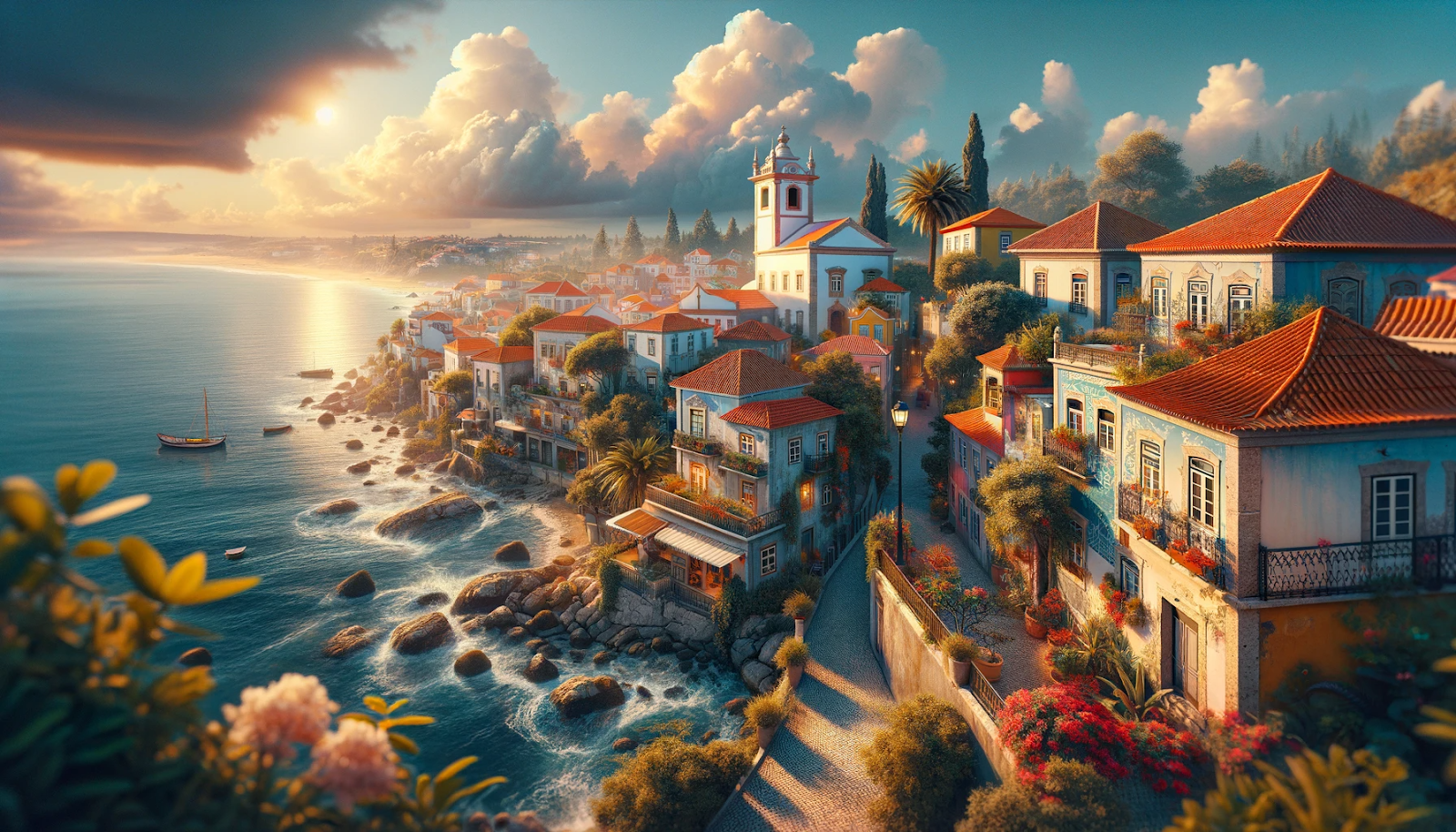
From a warm pastry in Belem to an early dinner beside Cascais Bay, one day on the Lisbon coast reveals why Portugal appeals to American retirees who have already seen much of Europe.
1. The day can begin with pleasure, not logistics
Begin in Belém, west of central Lisbon, with coffee and a pastel de nata. At Pastéis de Belém, the custard pastries have been made since 1837, their story connected to the nearby Jerónimos Monastery. The crisp pastry and still-soft filling make a persuasive argument for sitting down before sightseeing. Cinnamon is there if you want it; nobody needs to turn breakfast into a lesson.
For American retirees accustomed to negotiating rental counters and unfamiliar roads, there is another pleasure: not driving. With Portugal Magik, a Mercedes-Benz vehicle and a local driver/guide can shape the day around the guests, including an unhurried breakfast rather than a race to the first monument.
2. History has a human story behind the stone
A short walk brings you to the Jerónimos Monastery, commissioned by King Manuel I in the early sixteenth century. Its Manueline ornament rewards a patient eye: carved ropes, botanical forms, and maritime references belong to an era when Portuguese voyages were reshaping trade and contact across continents. That history also includes conquest and exploitation, not simply heroic departures.
Inside the church are the tombs of Vasco da Gama and the poet Luís de Camões. For travelers who know Florence or Toledo, Belém offers a different historical vocabulary. Choose the church or allow more time for the ticketed cloister, checking current access arrangements rather than assuming every entrance works alike.
3. You can choose the walking that suits you
Lisbon’s hills are real, but they need not define every day. Belém offers comparatively level stretches around its gardens and waterfront, a welcome alternative to climbing through Alfama. Cross toward the Tagus using designated pedestrian routes, then pause near the Monument to the Discoveries, whose present structure dates from 1960.
This is not a promise of effortless access. Portuguese paving can be uneven and slippery when wet, and monuments may involve steps or long periods standing. The advantage is choice: a riverside bench, a shorter visit, or another coffee can replace an extra interior. Retirees traveling with adult children need not all pursue the same walking distance.
Browse our travel inspiration for ideas, or tell us what kind of day you have in mind.
4. English makes room for better conversations
By late morning, the practical ease becomes noticeable. English is widely spoken in Lisbon and Cascais visitor-facing businesses, particularly hotels, restaurants, and major attractions. That helps when asking about ingredients, finding a restroom, or understanding how a visit works. It is not universal, and a greeting in Portuguese remains a courteous beginning.
For Americans comparing destinations, this reduces the small uncertainties that can accumulate over a European trip. You can ask what fish arrived today instead of pointing at the safest-looking dish. A little patience still matters, especially in a busy café, but language need not become the day’s central project.
5. A short coastal journey changes the scenery
Leave Belém and follow the coast toward Cascais, roughly 25 kilometers west by road. The N6, commonly called the Marginal, passes waterfront communities including Paço de Arcos and Estoril. Traffic determines the journey time, but the distance is modest enough to connect monumental Lisbon with a seaside afternoon without making the transfer the main event.
The view changes gradually from the broad Tagus estuary toward the Atlantic coast. Compared with an itinerary linking distant European cities, this day spends little energy on packing and checking in. Keep the same Lisbon hotel, leave the suitcase alone, and let the landscape provide the change of scene.
6. Lunch is worth giving time to
In Cascais, lunch can revolve around grilled fish, boiled potatoes, vegetables, and olive oil rather than an elaborate performance. Ask what is available that day. Dourada is sea bream; robalo is sea bass. Fish sold by weight deserves a quick conversation about size and cost before ordering, particularly when sharing.
A glass of Bucelas, a white-wine appellation near Lisbon known for Arinto, brings a local point of reference to the table. Wine is optional, lingering is not. For retirees whose working lives often compressed lunch into twenty minutes, a proper meal becomes one of the day’s most memorable freedoms.
7. Value is about what you actually enjoy
Portugal can offer appealing value, but Cascais is no undiscovered bargain town. Waterfront tables, sought-after hotels, and premium wines can command substantial prices. Compared with fashionable corners of France, Italy, or Spain, the stronger proposition is often a satisfying everyday meal or regional bottle rather than an assumption that everything costs less.
Spend where it changes the experience: comfortable transport, a well-chosen lunch, and time with someone who understands the area. At restaurants, bread, olives, and other couvert items are generally charged if consumed. Asking first is perfectly normal. Clear choices make generosity feel enjoyable rather than leaving an unwelcome surprise.
8. An easygoing afternoon still allows sensible precautions
After lunch, walk beside Praia da Ribeira, the small beach facing Cascais’s old center. Fishing boats and the sheltered bay help explain the town before any museum does. Cascais gained royal prominence when King Luís I began spending summers here in 1870, adding another chapter to an older fishing community.
Portugal’s reputation for safety is reassuring, but ordinary precautions still belong in the picture. Keep bags close, watch belongings at outdoor tables, and remain alert in crowded visitor areas. Feeling comfortable should mean enjoying the waterfront with sensible awareness, not assuming theft or traffic hazards disappear on vacation.
9. There is room to finish before you are tired
An afternoon coffee can lead to a little more exploring or simply another look across the bay. An early dinner in Cascais works if you choose a restaurant serving at that hour; some kitchens follow later schedules. Alternatively, return to Lisbon while there is still energy to enjoy the evening.
That flexibility may be Portugal’s most persuasive gift to well-traveled American retirees. This single day holds maritime history, good food, a coastal drive, and a town worth wandering, without requiring every possible stop. The lasting memory is not how much you managed to see. It is how much you had time to notice.
Plan your own day
Share your dates, group size and interests, and we will suggest a tailored plan with a local driver/guide.