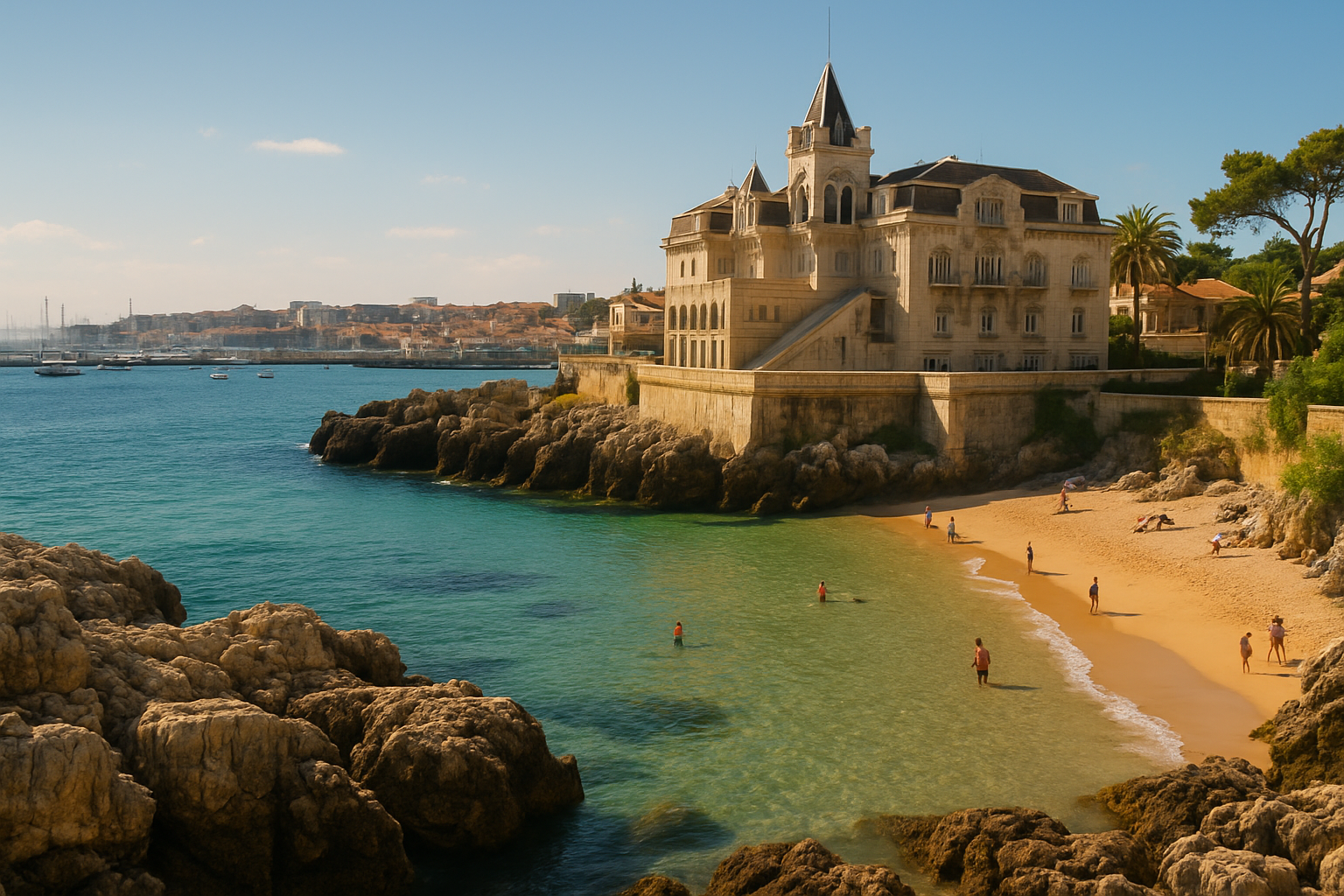
From conversational English in quiet cafes to peaceful streets at dusk, American travelers discover an immediate sense of ease across Portugal.
1. Evening streets where walking after dark feels entirely natural
In cities like Lisbon and Porto, as well as coastal havens like Cascais, families and retirees stroll well past nine o’clock at night. Grandmothers sit on stone benches outside neighborhood bakeries, children kick soccer balls across polished limestone plazas, and outdoor cafe terraces hum with soft conversation rather than rowdy nightlife.
For Americans accustomed to weighing evening safety concerns in major international hubs, this gentle rhythm is an instant relief. Violent crime rates remain among the lowest in the western world, allowing travelers to wander through historic quarters like the Alfama without checking over their shoulders or calculating street corners.
2. Widespread English spoken with genuine warmth
Unlike certain corners of southern Europe where English is met with hesitation, Portuguese locals engage readily and effortlessly. Because foreign films and television shows are subtitled rather than dubbed from childhood, nearly everyone from hotel receptionists to market fishmongers converses with ease.
More than just linguistic capability, the attitude carries deep graciousness. If you stumble through a simple greeting like ‘bom dia’ or ‘obrigado’, locals do not switch to English out of impatience; they smile, appreciate the effort, and smoothly help you find whatever you need without pretense.
3. Compact distances that keep road fatigue at bay
Traversing Portugal does not demand exhausting travel days. You can depart the baroque palaces of Sintra after breakfast, pause for fresh grilled sea bass in the fishing port of Ericeira, and arrive comfortably in the medieval lanes of Obidos well before mid-afternoon.
For American visitors used to sprawling interstates and multi-hour drives between sights, having diverse landscapes unfold inside an hour or two makes every itinerary feel relaxed. The transitions between Atlantic headlands, olive groves, and riverbanks remain refreshingly brief.
Browse our travel inspiration for ideas, or tell us what kind of day you have in mind.
4. Relief from renting cars and navigating tight stone alleys
Renting a car in southern Europe often presents hidden stress: aggressive tolls, tight underground garages, and centuries-old streets built for donkeys rather than modern vehicles. Letting a local driver and guide handle the roads in a comfortable Mercedes-Benz turns travel time into scenery rather than navigation anxiety.
A dedicated professional effortlessly shapes the day around the guests, managing parking outside crowded castle gates and choosing scenic country lanes over congested highways, leaving travelers free to gaze out at passing cork oaks and ocean bluffs.
5. Exceptional dining value compared to France or Italy
Dining out in Portugal delivers remarkable quality without the inflated tabs found across Paris or the Amalfi Coast. A leisurely lunch of tender octopus salad, warm crusty sourdough, local sheep cheese, and crisp Vinho Verde often costs a fraction of an equivalent meal elsewhere in western Europe.
Even at traditional neighborhood marisqueiras, where plates of tiger prawns and garlic clams arrive sizzling in olive oil and coriander, pricing remains grounded. American travelers consistently marvel at how readily exceptional regional food fits within an elevated holiday budget.
6. A family-oriented culture that welcomes every generation
Whether traveling as grandparents with teenage grandchildren or as an extended multi-generational group, Americans notice how deeply Portuguese society respects family bonds. Children are welcomed warmly into fine dining dining rooms, and elders are offered priority seating and gentle assistance everywhere from museums to churches.
Servers do not rush tables to flip covers. Instead, meals are treated as sacred gatherings where conversation is encouraged to linger over espresso and almond tarts, matching the unhurried cadence that vacationing families crave.
7. Clean infrastructure and straightforward modern comforts
Beneath Portugal’s romantic antique facades lies thoroughly modern infrastructure. The highway network is exceptionally well paved and clearly marked, drinking water from the tap is clean and reliable, and telecommunications provide fast, seamless connectivity even in remote river valleys.
This level of daily reliability means travelers do not need to constantly problem-solve basic logistics. Pharmacies are staffed by knowledgeable, English-speaking professionals, and historic town centers are kept remarkably clean, with street-sweepers working before morning light.
8. An easy pace tailored to personal curiosity
Rather than sticking to rigid tour bus timetables, exploring Portugal works best as an intuitive dialogue between interests and discoveries. If morning sea fog lingers over the ramparts of Cabo da Roca, shifting the route toward a sunlit tile workshop in Azeitao or an intimate cellar tasting of Moscatel de Setubal is entirely effortless.
Having a private driver guide who can adjust stops and storytellers along the way means nobody feels hurried through gallery doors or pulled away from a seaside vista before they are ready.
9. A hospitality culture rooted in quiet pride
Hospitality in Portugal is not a transaction designed to generate outsized tips; it is an innate cultural instinct called ‘bem receber’ (welcoming well). From small village tascas to boutique coastal estates, visitors are treated with dignified, neighborly courtesy.
For Americans comparing European destinations, this unpretentious kindness leaves the deepest impression. Long after the flavors of pastéis de nata and salty Atlantic breezes fade, travelers remember feeling not like passing tourists, but like genuinely cherished guests.
Plan your own day
Share your dates, group size and interests, and we will suggest a tailored plan with a local driver/guide.