
Updated 2026-10-31
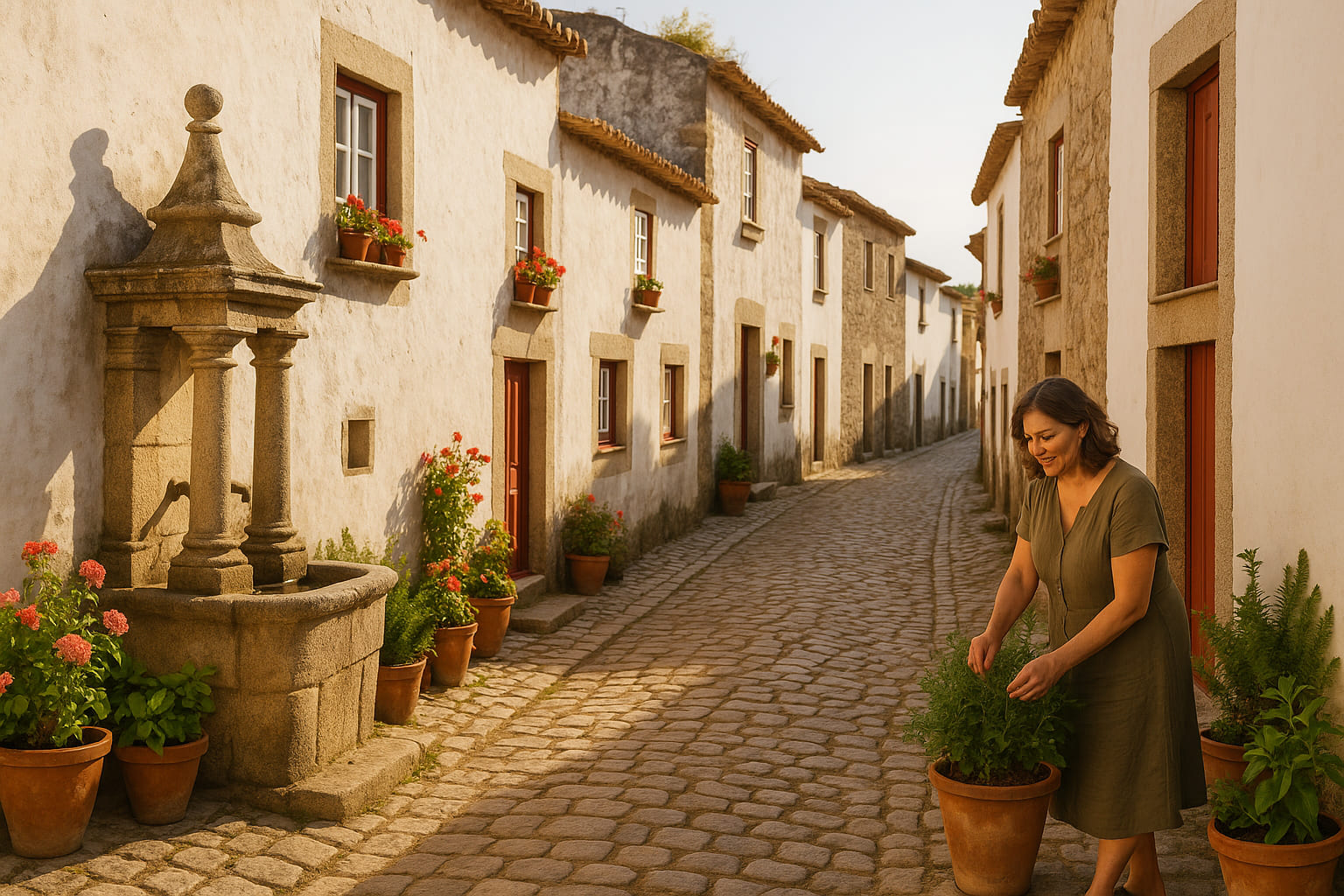
Portugal’s medieval towns and villages invite you to slow down. Beyond the beaches and busy cities, cobbled lanes, hilltop castles, ancient churches, and stone houses reveal a different side of the country.
These 12 places to explore range from small fortified villages to historic cities with medieval roots. Some reward a leisurely wander; others deserve more time for their monuments, museums, and surrounding landscapes.
1. Óbidos: The Fairytale Walled Town
Encircled by castle walls, Óbidos is known for its whitewashed houses, flower-filled corners, and cobbled lanes. Its long association with Portugal’s queens adds another layer to the village’s romantic character.
Wander beyond the busiest shopping street to find quieter corners, and try the local cherry liqueur, ginjinha, if you fancy a taste. The walls offer countryside views, but their uneven, exposed sections call for care and may not suit everyone.
Other Visitors are reading now:




2. Tomar: The City of the Knights Templar
Tomar is closely tied to the Knights Templar, whose Portuguese headquarters stood here. Above the town, the UNESCO-listed Convent of Christ brings together medieval religious architecture and later artistic additions.
The round church, or Charola, is a particular highlight. Allow time for the streets and squares below, too: Tomar is more than its famous monument, with a welcoming riverside setting that suits an unhurried stroll.
3. Évora: A UNESCO-Listed Time Capsule
Within its historic centre and 14th-century walls, Évora holds traces of several eras. The Roman temple, medieval cathedral, and later Chapel of Bones show how the city’s story extends well beyond the Middle Ages.
This Alentejo city also invites you to enjoy the everyday pleasures of travel: a shaded square, a relaxed lunch, and regional cooking. Leave room between landmarks to appreciate its streets rather than treating it as a checklist.
4. Monsaraz: A Hilltop Fortress Overlooking the Alqueva
High above Alqueva Lake, Monsaraz pairs whitewashed houses with stone lanes and a commanding castle. Its small historic centre is a lovely place to explore slowly, pausing at squares and viewpoints.
The broad views over water and Alentejo countryside are part of its appeal. Late-day light can be especially beautiful, while comfortable shoes make the sloping, uneven streets easier to enjoy.
5. Belmonte: Land of Discoveries and Heritage
Belmonte, near Serra da Estrela, is known as the birthplace of Pedro Álvares Cabral, the Portuguese navigator whose expedition reached Brazil. Its castle helps tell the story of a town shaped by both local and far-reaching histories.
Its Jewish heritage is equally important. The Jewish Museum offers context for a community whose traditions endured through centuries of persecution and secrecy, making this a meaningful stop beyond the castle alone.
6. Trancoso: A Medieval Crossroads
Trancoso preserves fortified walls, medieval gateways, and a castle that recalls its strategic importance. Entering through the old gates is a good way to begin exploring its compact historic centre.
Look for the former Jewish quarter and the Church of São Pedro as you wander. The town’s trading heritage adds another dimension to its story, alongside the defensive structures that first catch the eye.
7. Sintra: Palaces, Forests, and Legends
Although Sintra is best known for palaces such as Pena and Monserrate, its medieval roots are most visible at the Moorish Castle. Stone walls follow the wooded hilltops, opening up views across the town and towards the coast.
Its later palaces belong to different chapters of history, so think of Sintra as a layered landscape rather than a purely medieval town. Choose a manageable selection of sights and allow time for hills, walking, and transfers.
8. Guimarães: The Birthplace of Portugal
Known as the “Cradle of the Nation,” Guimarães is closely associated with Portugal’s first king, Afonso Henriques, and the country’s early history. Its UNESCO-listed historic centre combines narrow lanes with inviting squares.
Guimarães Castle and the Palace of the Dukes of Braganza are key landmarks. Between them, make time simply to wander: the relationship between grand monuments and everyday streets is what makes the city memorable.
9. Braga: Ancient Faith and Medieval Charm
With roots reaching back to Roman times, Braga has a history much older than its medieval landmarks. Its cathedral, one of Portugal’s oldest, reflects centuries of building and changing architectural styles.
The appeal lies in that mix: religious heritage sits alongside lively streets and contemporary city life. A walk around the cathedral and nearby lanes offers a rewarding introduction without trying to fit every monument into one stop.
10. Coimbra: A Medieval University City
Coimbra combines steep historic streets, a medieval cathedral, and a university tradition among Europe’s oldest. The Sé Velha, or Old Cathedral, is a strong starting point for understanding its medieval character.
The university’s Royal Palace and Baroque Joanina Library reveal later layers of the city’s story. Plan for uphill walking and check the university’s official visitor information for current admission arrangements before choosing your route.
11. Sortelha: A Timeless Granite Village
Granite walls, stone houses, and a hilltop castle give Sortelha its distinctive character. Passing through the medieval gateways, you enter a small historic village whose buildings seem to grow out of the rocky landscape.
Its appeal is in the details: weathered doorways, narrow passages, and views framed by stone. Take your time on the uneven paving, and remember that this is a living place, not simply a historic backdrop.
12. Monsanto: The “Most Portuguese Village in Portugal”
Monsanto is famous for houses fitted into, beneath, and around enormous granite boulders. Its familiar nickname reflects a historic designation, rather than a measure of how authentically Portuguese one village is compared with another.
The climb towards the castle ruins reveals more of this striking relationship between architecture and landscape. Expect steep, uneven paths, with broad countryside views as the reward when conditions are clear.
Exploring Medieval Portugal with Portugal Magik
These destinations are spread across Portugal, so they work better as regional outings or a thoughtfully paced multi-day journey than as a single hurried checklist.
A few practical planning tips
- Leave time to wander: village lanes and quiet squares are as much a part of the experience as castles and churches.
- Plan for uneven ground: cobbles, steps, steep slopes, and exposed walls are common; ask about access if mobility is a concern.
- Check official sources: consult municipal tourism websites and the monuments’ own websites for current access, tickets, and opening arrangements. For Sintra, use Parques de Sintra; for Coimbra’s university sights, use the University of Coimbra visitor website.
If you would like help joining the stops at a comfortable pace, our local team can shape a private day trip or a tailor-made multi-day itinerary around your interests.
Tour ideas and contact details
- Multi-day tour options: See our bestseller tours here
- WhatsApp: Message us instantly
- Call our US number: <a href=”tel:+18449232100″>(844) 923-2100</a>