From a palace morning in Sintra to the Atlantic light at Cascais, one day reveals the practical pleasures of leaving the driving to someone who knows the roads and the stories.
1. Your morning begins with anticipation, not navigation
Picture leaving Lisbon after breakfast, with a day ahead that will move from royal rooms to vineyards and finally the sea. Sintra lies roughly 30 kilometers west of the capital, close enough to make this a day out rather than a change of base. Yet proximity does not make its roads straightforward. Narrow streets, limited parking and traffic restrictions around the monuments can turn a simple-looking map into an awkward morning. For Americans accustomed to pulling into a spacious parking lot, that is a meaningful difference.
With Portugal Magik, the journey begins in a Mercedes-Benz vehicle, leaving you free to watch the city give way to wooded hills. There is no rental-car collection, unfamiliar parking machine or debate over the next turning. English is widely spoken in Lisbon and the main visitor towns along this route, while an English-speaking driver/guide provides continuity throughout the day. The first pleasure is modest but substantial: arriving with your attention still available.
2. A palace becomes a story rather than another stop
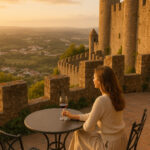
Begin in Sintra’s historic center, beneath the twin white kitchen chimneys of the National Palace of Sintra. Unlike a hilltop palace requiring additional transport planning, this former royal residence sits directly beside the town’s streets and squares. Its fabric reflects centuries of Portuguese monarchy, notably the building campaigns of João I and Manuel I. Inside, the Swan Room and Magpie Room take their names from painted ceilings, while the great kitchen makes those extraordinary chimneys suddenly understandable.
A guide can connect the rooms to the wider story of a court drawn to Sintra’s cooler hills, without turning the visit into a lecture. Tickets and opening arrangements still need planning, and having a driver does not remove queues or walking. What changes is the mental workload. You can study the tiles, ask why royal households returned here, and leave remembering something more vivid than where you parked.
3. The day can accommodate different kinds of energy
After the palace, Sintra rewards a pause. A queijada, the town’s small cheese-based sweet tart, gives coffee a distinctly local companion. A travesseiro offers another possibility: puff pastry with a sweet almond-and-egg filling. Neither requires a separate excursion or an elaborate reservation. Sometimes the part of a European journey that stays with you is simply a pastry eaten while looking back toward a palace roof.
This is where a local driver/guide can shape the day around the guests, allowing a longer café stop, a shorter walk or more time inside the monument. Couples may want to linger over architectural details; families may be ready for fresh air; retirees may appreciate fewer uphill stretches. Those preferences need not compete with a fixed group departure. Sintra still has slopes and uneven paving, so comfort begins with an honest discussion of mobility, not an assumption that a vehicle can reach every doorway.
Browse our travel inspiration for ideas, or tell us what kind of day you have in mind.
4. Lunch and wine do not come with a designated-driver debate
Continue west toward Colares, where the landscape opens into villages, small fields and a wine story unlike those of Bordeaux or Tuscany. The historic Colares wine region is known for Ramisco reds and Malvasia de Colares whites, including wines from vines grown in sandy soils near the Atlantic. That sand helped protect ungrafted vines from phylloxera, the pest that devastated European vineyards in the nineteenth century. Production is small, so a specific bottle or tasting should never be taken for granted.
Lunch in the area might bring grilled fish, boiled potatoes and a dish of vegetables, with the choice guided by the day’s catch and the restaurant’s menu. If available, a glass of Colares wine connects the table to the landscape outside. Having someone else drive removes the need to decide which adult will abstain to take the wheel. Any winery visit belongs in the advance planning, rather than being treated as an automatic walk-in stop.
5. Short distances deliver a remarkable change of scenery
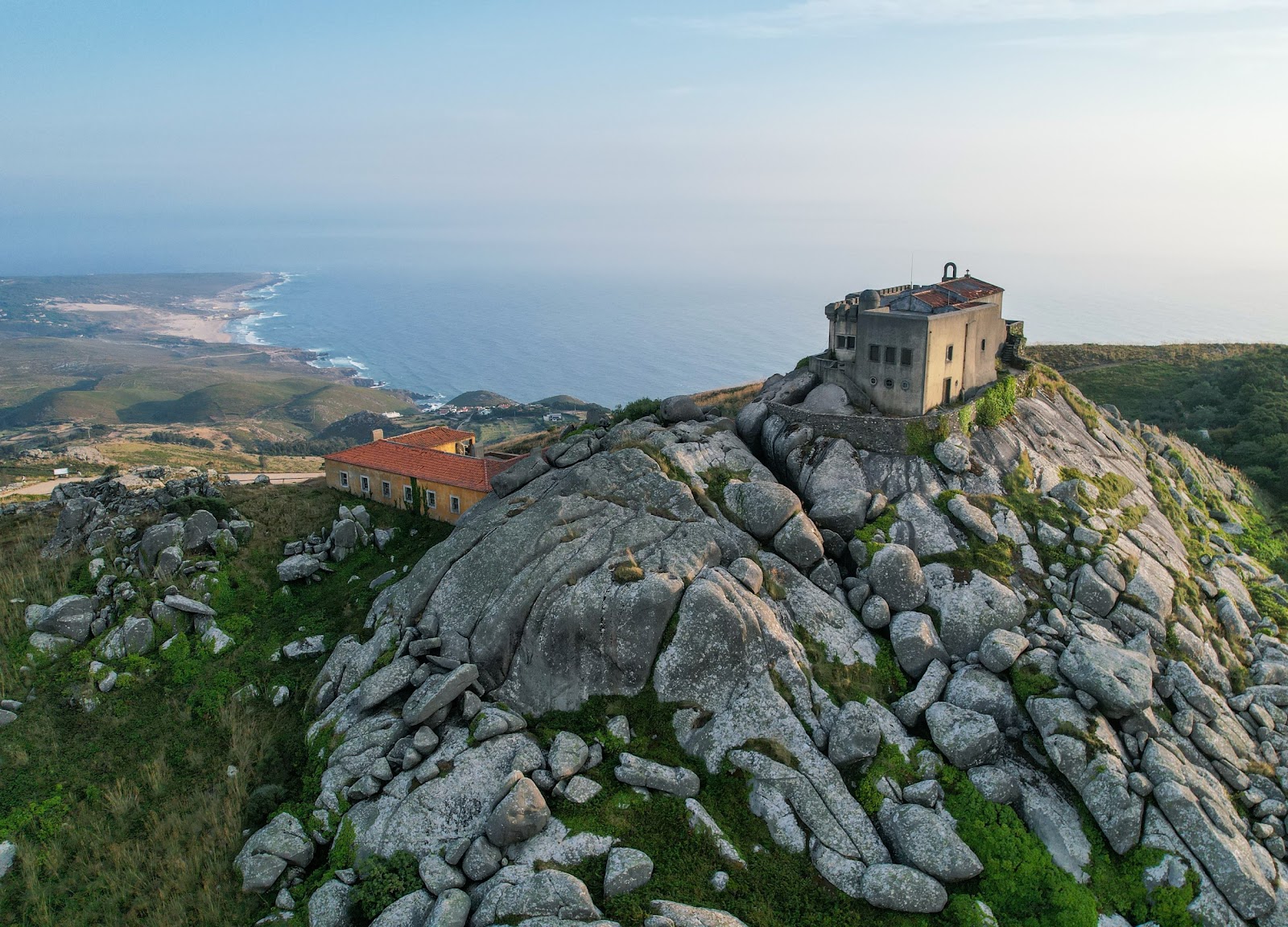
From Colares, the road toward Cabo da Roca exchanges sheltered village streets for an exposed Atlantic headland. This is the westernmost point of continental Europe, marked by a lighthouse and a stone monument bearing words by Luís de Camões about where the land ends and the sea begins. After palace ceilings and a lunch table, the scale changes completely. The ocean supplies the spectacle without requiring another admission ticket.
The route onward toward Cascais passes the Guincho coast, where wind and surf give the shoreline a wilder character than the town’s sheltered bays. These places are geographically close, though winding roads and summer traffic mean distance alone is a poor scheduling tool. A private driver handles those roads while everyone else enjoys the view. At Cabo da Roca, stay behind barriers and follow marked paths: the cliffs are exposed, and no photograph justifies stepping beyond the safe viewing areas.
6. The value is in how much of the day you actually enjoy
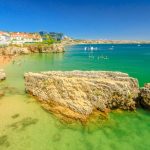
By late afternoon, Cascais offers a gentler ending. Walk beside Praia da Ribeira, also known as Praia dos Pescadores, where the town’s fishing identity remains visible beneath its history as a seaside retreat. King Luís I’s use of Cascais as a summer residence from 1870 helped draw the court here. Today, the waterfront makes a pleasant place for an ice cream or one last coffee before returning to Lisbon.
For Americans comparing Portugal with France, Italy or Spain, value deserves more thought than a national price ranking. Restaurant, hotel and transport costs vary by destination and season; a private driver is not automatically the cheapest option. The useful comparison is what the day’s total arrangement delivers: transport shared by your party, help with logistics and time spent enjoying places rather than managing a car.
Back in Lisbon, the day has a clear thread: royal chimneys, pastry crumbs, a distinctive wine and Atlantic wind. The best reason to leave the driving to someone else is that you were present for all of it.
Plan your own day
Share your dates, group size and interests, and we will suggest a tailored plan with a local driver/guide.