Lisbon can look familiar to Americans who know Europe’s great capitals, until the day begins. From a standing coffee in Belem to a late dinner in Chiado, its small surprises become the stories worth bringing home.
1. Breakfast is small, but it deserves your attention
Begin in Belém, where breakfast need not involve eggs, a reservation or much ceremony. At Pastéis de Belém, the custard tarts have been made since 1837, following a recipe associated with the nearby Jerónimos Monastery. Beneath their browned tops, the filling should still have a delicate wobble; the pastry scatters across the plate.
Americans accustomed to a large coffee carried through the morning may find the smaller ritual unexpectedly satisfying. Order an espresso, often called a bica in Lisbon, or a meia de leite for coffee with milk. Cinnamon is optional. Sitting down rather than eating on the move gives the day its first useful adjustment.
2. The beautiful monastery tells a complicated global story
A short walk brings you to Jerónimos Monastery, commissioned by King Manuel I in the early sixteenth century. Its Manueline stonework rewards close looking: ropes, foliage and maritime imagery turn the building into something richer than another grand European church.
This is also where a Lisbon day becomes more than attractive scenery. Royal wealth from overseas trade helped support the monastery, and Portugal’s maritime expansion involved conquest, exploitation and enslavement as well as navigation and exchange. For families traveling with teenagers, those overlapping histories offer a substantial conversation. Check current visiting arrangements before planning an interior visit, rather than assuming you can simply walk straight in.
3. That enormous stretch of water is a river
From Belém’s waterfront, the breadth of the Tagus can look like open sea. Lisbon faces an estuary, however, with the Atlantic farther west. The distinction helps explain the city: this sheltered riverfront connected a capital, its docks and a far-reaching trading network.
Later, at Praça do Comércio, the water becomes the backdrop to an immense civic square. The royal palace stood here before the earthquake of 1755 and the ensuing tsunami and fires devastated much of Lisbon. Today’s arcaded buildings belong to the reconstruction. Standing beside the Cais das Colunas, you can read the square as an act of recovery rather than simply a handsome arrival point.
Browse our travel inspiration for ideas, or tell us what kind of day you have in mind.
4. A compact map does not mean an effortless walk
From the river, Lisbon’s neighborhoods appear close enough to collect on foot. Then the gradients begin. The patterned limestone paving called calçada portuguesa can be uneven and slippery when wet, and a seemingly modest shortcut may involve steps.
This matters for couples saving their energy for dinner, families with younger children and retirees who enjoy walking without wanting a climbing expedition. A Portugal Magik local driver/guide can shape the day around the guests, using a Mercedes-Benz vehicle between suitable access points and leaving time for manageable walks. Belém and the historic center fit naturally into one day, but traffic makes precise driving promises unwise. Some of the loveliest lanes remain pedestrian territory.
5. Lunch comes with a few unfamiliar table rules
By lunchtime in Baixa, the surprise may be what arrives before you order. Bread, olives or cheese placed on the table are generally a charged couvert, not automatically a complimentary welcome. Ask if unsure, and decline anything you do not want before eating it.
Then look beyond the obvious seafood platter. Bacalhau à Brás combines shredded salted cod with finely cut fried potatoes, onions and eggs, usually finished with parsley and olives. It is comforting rather than showy. A neighborhood restaurant can offer satisfying value compared with fashionable addresses in Paris or Rome, but location and ordering matter. Read the menu rather than assuming every Lisbon table is inexpensive.
6. English makes things easier without making Lisbon feel interchangeable
Ordering lunch or discussing a wine list is often straightforward: English is widely spoken in Lisbon’s visitor-facing restaurants, hotels and attractions. It is not universal, and a greeting in Portuguese remains a thoughtful beginning. Bom dia carries you through the morning; boa tarde belongs to the afternoon.
That accessibility is particularly welcome for Americans who want cultural discovery without spending the whole day solving logistics. The same balanced approach applies to safety. Ordinary sightseeing calls for ordinary city awareness, especially around busy squares and crowded transport. Keep phones and wallets secure. Ease should mean feeling prepared, not assuming that a popular European capital is free of petty theft.
7. The famous tram is public transport, not a sightseeing guarantee
During an afternoon in Alfama, a yellow tram may provide the photograph you expected. Tram 28 is also a working public service, and its popularity can mean queues, crowding and standing rather than a leisurely seat beside an open window.
You need not ride it to understand the neighborhood. Around the Miradouro de Santa Luzia, tiled walls, terracotta roofs and river views offer a quieter way into Lisbon’s geography when crowds allow. Step away from the viewpoint and remember that these lanes are residential. Doorways, washing lines and conversations belong to people’s daily lives, not to an outdoor museum arranged for visitors.
8. Wine feels like discovery rather than a test
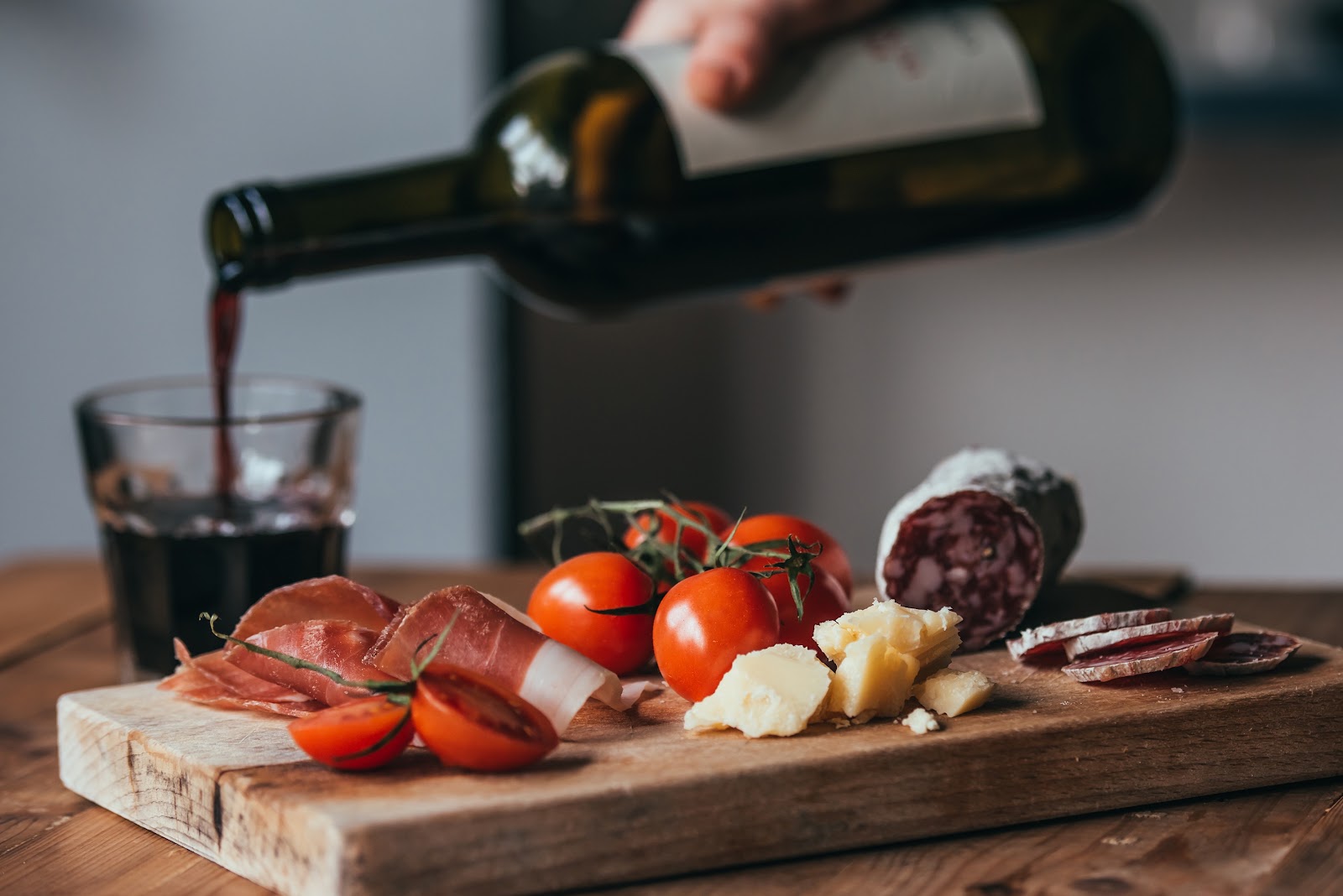
As afternoon gives way to evening, settle in Chiado for a glass of Portuguese wine. Americans familiar with Napa, Bordeaux or Tuscany may recognize fewer grape names here, which is part of the pleasure. Ask about an Encruzado from the Dão or a red blend from the Douro.
Vinho Verde is a regional designation, not a promise that every bottle will be sweet or noticeably fizzy. It includes different styles, with Alvarinho among its important grapes. Explain what you normally enjoy and let the conversation begin there. A well-chosen glass with a small plate often reveals more than ordering the most familiar label.
9. The best ending is not another attraction
Dinner brings one final adjustment for Americans used to early reservations: many Lisbon restaurants become livelier later in the evening. Earlier tables are available at plenty of places, but checking service hours avoids an unnecessary compromise. Reserve somewhere that suits your appetite rather than adding another crossing of the city.
After a day of custard pastry, carved stone, steep lanes and unfamiliar grapes, Lisbon’s appeal becomes clear. It offers substantial history without requiring every hour to feel substantial. Leave room for an unhurried meal and the walk back through Chiado. The lasting memory may be less a monument than the moment you stopped watching the clock.
Plan your own day
Share your dates, group size and interests, and we will suggest a tailored plan with a local driver/guide.