From warm custard tarts in Belem to the fishing bay at Cascais, one unhurried day gives grandparents, parents and children different stories to bring home. The pleasure is in discovering how often those stories overlap.
1. Begin in Belém, without making anyone the navigator
A memorable family day need not begin with an ambitious departure time. Start after breakfast in Lisbon and head west to Belém, where the Tagus widens toward the Atlantic. There is room here to look outward, rather than immediately climbing another hill. For American families traveling with grandparents and children, that change of terrain can matter as much as another famous landmark.
With Portugal Magik, a local driver/guide can shape the day around the guests, using a Mercedes-Benz vehicle suited to the group. Nobody in the family has to negotiate unfamiliar roads or find parking. Discuss child seats and walking needs beforehand, then leave space in the schedule for the unexpected pleasure of stopping.
2. Let a custard tart introduce the neighborhood
Pastéis de Belém has been making its celebrated pastries since 1837, following a recipe associated with the nearby Jerónimos Monastery. The shop’s blue-and-white tiled rooms make this more than a grab-and-go breakfast stop, though queues can be substantial. A warm tart, with its crisp pastry shell and soft custard center, offers an introduction to Portugal that requires no historical briefing.
Order coffee for the adults and something cool for younger travelers, then decide whether cinnamon belongs on top. This is the kind of small disagreement a family can enjoy. Save the elaborate tasting menu for another evening: today’s first food memory comes on a small plate, with crumbs that refuse to stay there.
3. Find a maritime story carved into stone
A short walk brings you to the Jerónimos Monastery, commissioned by King Manuel I, with construction beginning in 1501. Its Manueline decoration rewards close looking: carved ropes and maritime imagery connect the building to Portugal’s ocean-going ambitions. Even without committing everyone to a full interior visit, the exterior gives a curious child and an architecture-minded grandparent plenty to examine together.
The story deserves more than a triumphant account of explorers. Portuguese voyages connected distant societies through trade, but also through conquest and enslavement. Older children may find that complexity more engaging than a list of dates. If the family wants to visit inside, check current ticket arrangements and opening hours rather than letting a queue dictate the morning.
Browse our travel inspiration for ideas, or tell us what kind of day you have in mind.
4. Pause beside the river and look toward America
Continue toward the waterfront, using the designated pedestrian crossings and underpasses rather than trying to cross the railway or busy roads directly. The Monument to the Discoveries was inaugurated in its permanent form in 1960, marking 500 years since the death of Prince Henry the Navigator. Its procession of sculpted figures gives the riverbank a theatrical sense of departure.
For Americans, the broad water invites thoughts of the Atlantic journey in reverse. There is no need to add another admission or climb another viewpoint: simply watch the river traffic. Keep younger children close near the water and belongings secure in busy areas. Comfortable travel comes from ordinary precautions, not from assuming any destination is risk-free.
5. Make the coastal road part of the experience
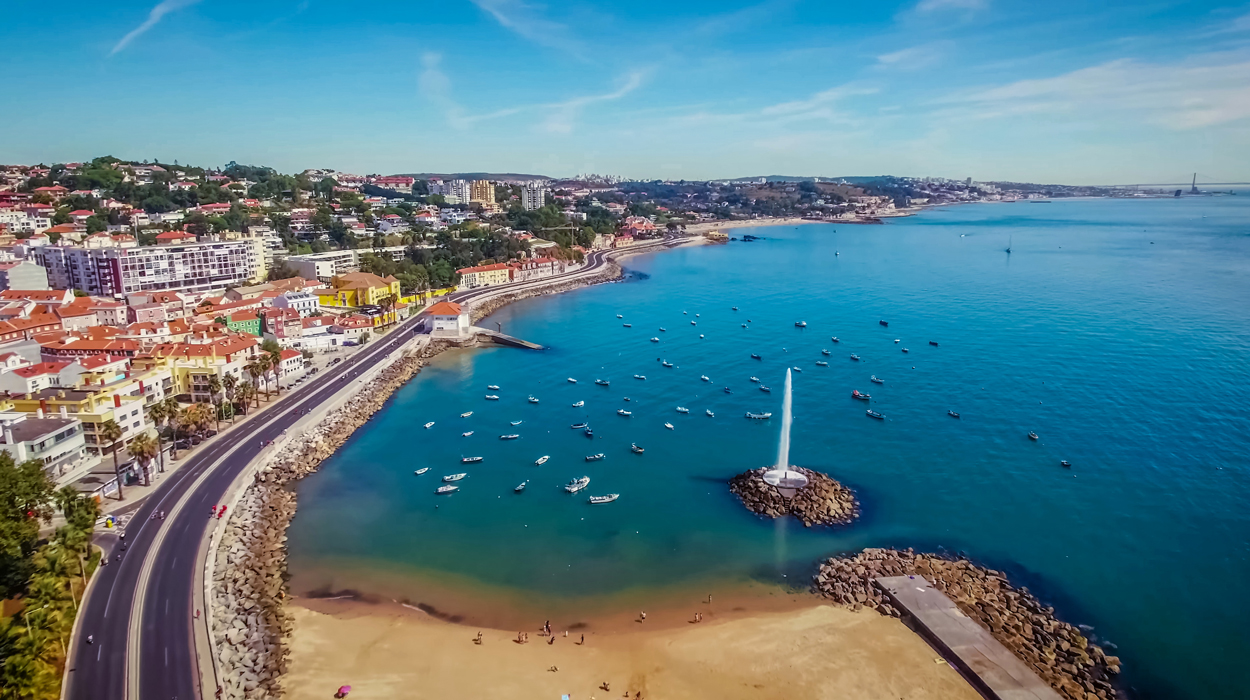
From Belém, follow the coast toward Cascais along the Marginal, the familiar name for the N6 coastal road. The route passes communities including Paço de Arcos, Oeiras and Estoril, with changing glimpses of beaches, railway platforms and open water. Traffic affects the journey, but the distance is modest enough to connect the morning’s monuments with an entirely different afternoon.
This is where not driving becomes a shared benefit. Parents can look out rather than manage navigation; grandparents can rest without missing the scenery. For families comparing Portugal with France, Italy or Spain, this particular itinerary offers a useful advantage: substantial historical sights and a seaside lunch fit together without a long transfer between regions.
6. Gather around a proper fish lunch in Cascais
In Cascais, make lunch the day’s anchor rather than something squeezed between attractions. Look for grilled robalo, sea bass, or dourada, gilthead bream, often accompanied by potatoes and vegetables. A seafood rice, arroz de marisco, offers a different rhythm: a generous dish that invites everyone to linger. Ask about shellfish ingredients and availability rather than assuming every menu follows the same pattern.
Adults might choose a Portuguese white wine, perhaps an Arinto-based bottle from the Lisbon region. English is widely spoken in the area’s visitor-facing restaurants, which helps when explaining allergies or ordering for children. Check whether whole fish is priced by weight and whether bread, olives and other couvert items cost extra. Value is easier to judge when the bill holds no surprises.
7. Discover the royal chapter beside a working bay
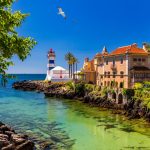
After lunch, walk toward the citadel and the bay. Cascais became a fashionable royal summer retreat after King Luís I established his seasonal residence here in 1870. That history adds another layer to a town whose identity also rests on fishing. Around Praia da Ribeira, often called Fisherman’s Beach, boats and waterfront activity keep the setting from feeling like scenery alone.
Choose a short loop rather than requiring everyone to cover the same ground. The central waterfront is generally gentler than Lisbon’s steep neighborhoods, although patterned stone paving can be uneven and slippery when wet. A seat facing the bay is a perfectly worthwhile destination, especially while more energetic family members continue exploring nearby.
8. End with ice cream, not another obligation
Finish with ice cream at Santini, whose Portuguese story began in nearby Tamariz in 1949, or simply choose a café with a view of the water. In warm weather, the beach may tempt younger travelers, but Atlantic water can feel cold even when the sun is strong. There is no reason to promise a swim for the afternoon to feel complete.
Then return to Lisbon with no final monument to conquer. One generation may remember the monastery’s stonework, another the fish at lunch, another the cinnamon on a custard tart. That is the quiet success of a multigenerational day in Portugal: everyone shares the journey without needing to love exactly the same thing.
Plan your own day
Share your dates, group size and interests, and we will suggest a tailored plan with a local driver/guide.