Portugal’s coastal towns reward the traveler who leaves room for a long lunch and an unplanned turn. Choose one for a memorable day, rather than trying to collect them all.
1. Cascais, where a royal seaside habit still makes sense
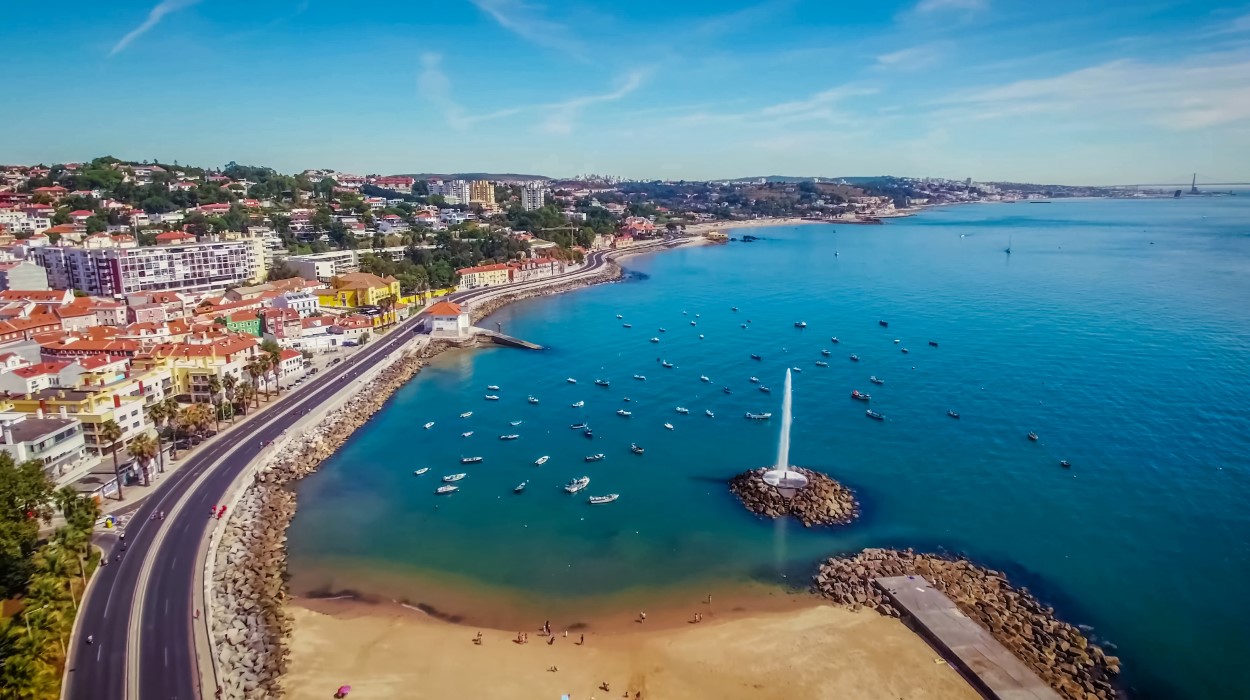
Begin beside Praia da Ribeira, with fishing boats in view and coffee arriving at an outdoor table. Cascais became a fashionable summer retreat after King Luís I established his seasonal residence here in 1870. That history explains the handsome villas, but the pleasure is less formal: a waterfront walk, a small beach, and streets where lunch is never far away. For Americans accustomed to complicated European sightseeing days, the compact center feels immediately manageable.
Visit the Museu Condes de Castro Guimarães, housed in a turreted residence beside a little inlet, then settle over grilled fish and a chilled Portuguese white. English is widely spoken in visitor-facing businesses. Lisbon and Cascais combine easily, although coastal traffic deserves breathing room rather than an ambitious timetable.
2. Ericeira, where the fishing village meets the surf
Ericeira’s whitewashed center sits above an Atlantic that rarely looks idle. Start at Praia dos Pescadores, where the sheltered harbor beach keeps the town’s fishing identity visible, then wander past blue-trimmed buildings toward Praça da República. The surrounding coastline was designated a World Surfing Reserve in 2011. You need not surf to appreciate the scene: watching the water can be the morning’s main event.
Order fish soup or grilled catch at lunch, asking what is available that day. Seafood sold by weight merits a quick check before ordering, especially when comparing value with coastal France or Italy. Ericeira suits couples who want atmosphere without a packed schedule, and families whose happiest hour involves sand rather than another museum.
3. Nazare, where the sea carries more than one story
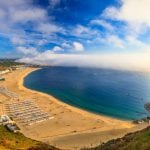
Down by the beach, Nazaré tells its older story through fishing traditions and the fish-drying racks sometimes seen on the sand. Above, Sítio offers the sweeping view that puts the town into perspective. Take the funicular when operating, or approach the upper district by road. The Sanctuary of Nossa Senhora da Nazaré recalls the town’s long religious importance, well before photographs of enormous waves traveled around the world.
Those famous waves break off Praia do Norte, not the central bathing beach, and depend on conditions, particularly during the cooler months. Do not build a day around a promised spectacle. Build it around the headland, a seafood lunch, and time to look. Caldeirada, a fish stew with potatoes, makes a fitting centerpiece when available.
Browse our travel inspiration for ideas, or tell us what kind of day you have in mind.
4. Sao Martinho do Porto, where the bay does the planning
After Nazaré’s drama, São Martinho do Porto offers a gentler composition: a shell-shaped bay opening to the Atlantic through a narrow entrance. The sheltered water is often calmer than on exposed beaches, which appeals to grandparents and parents traveling together. Conditions still vary, and beach flags and lifeguard advice matter. The easy waterfront promenade gives non-swimmers an equally pleasant way to spend the morning.
Make lunch the hinge of the day, with grilled fish, boiled potatoes, and a table overlooking the curve of sand. Nazaré is roughly a twenty-minute drive away, making this a realistic two-town outing rather than a road marathon. A local driver/guide can shape the day around the guests, balancing viewpoints, walking distances, and the moment everyone would rather sit down.
5. Sesimbra, where lunch belongs to the working coast
Sesimbra rewards an early arrival, before the strongest sun reaches its waterfront. Walk beside Praia da Califórnia and Praia do Ouro, then look uphill toward the medieval castle. Its surviving walls reflect successive periods of occupation and rebuilding, including the struggles between Muslim and Christian rulers. The climb is substantial, so a road approach makes sense for travelers saving their energy for the town.
Fishing remains central to Sesimbra’s identity. Choose simply grilled fish, or share arroz de marisco, the brothy Portuguese seafood rice, where offered. A white wine from the Setúbal Peninsula keeps lunch regional. From Lisbon, this is a manageable day trip without changing hotels, although summer weekends can bring heavy traffic. Not driving yourself also removes the search for parking.
6. Vila Nova de Milfontes, where river and ocean meet
In Vila Nova de Milfontes, the memorable moment may be standing above the Mira estuary and watching the colors change between river and sea. The town received its royal charter in 1486, and the small fortress overlooking the water recalls the need to defend this coast. Walk through the older streets before descending toward Praia da Franquia, leaving time for the return uphill.
This is a town for an Alentejo coastal stay, not a casual addition to a crowded Lisbon afternoon. At lunch, look for arroz de polvo, octopus rice, and explore an Alentejo white rather than assuming the region produces only reds. Estuary currents require care. The appeal is the unhurried setting, not an invitation to treat every stretch of water as a swimming pool.
7. Ferragudo, where the Algarve feels close at hand
Ferragudo unfolds around a small square, narrow lanes, and a waterfront facing Portimão across the Arade estuary. Start near Praça Rainha Dona Leonor, then walk uphill toward the church of Nossa Senhora da Conceição for views over the river. The fishing-village scale makes a welcome counterpoint to the Algarve’s larger resort areas, particularly for Americans who prefer discovering a place on foot.
Later, head toward Praia Grande, where the privately owned Castelo de São João do Arade forms a striking backdrop near the shore. Do not expect a castle visit. Expect time for lunch instead: perhaps cataplana, a covered-pan seafood preparation, checking ingredients and portions before ordering. Short transfers between town, beach, and nearby lodging leave more of the day available for being there.
8. Tavira, where the beach comes after the town
Tavira sits on the Gilão River behind the barrier islands of the Ria Formosa, so its coastal pleasures require a little sequencing. Spend the morning around Praça da República and the old bridge, often called Roman although its present structure is later. Visit the castle garden, then lunch on octopus or tuna before considering the ferry to Ilha de Tavira. Check seasonal departure points and schedules rather than assuming the beach is a waterfront stroll away.
The best choice is the town that lets your day breathe. Portugal Magik’s private tours in Mercedes-Benz vehicles make that slower rhythm possible, with room for stories, lunch, and one last look at the water.
Plan your own day
Share your dates, group size and interests, and we will suggest a tailored plan with a local driver/guide.