
Updated 2026-11-15
Discovering the Magic of Portugal’s Vibrant Azulejos
Step into almost any town or city across Portugal, and you will immediately notice the enduring beauty of azulejos. These glazed ceramic tiles, with roots reaching back centuries, are a defining hallmark of Portuguese visual culture. As you wander along cobbled lanes, you will spot them adorning public squares, grand churches, train stations, and quiet residential facades, brightening everyday architecture with brilliant color and pattern.
Azulejos arrived in the Iberian Peninsula through Moorish influence, drawing direct inspiration from Islamic geometric tilework. Portuguese artisans later adapted these techniques, blending local traditions with foreign inspirations. The word azulejo itself stems from the Arabic term az-zulayj, which translates to polished stone. Over the centuries, Portuguese tilemakers incorporated Renaissance, Baroque, and Art Nouveau styles, turning this craft into a uniquely expressive national art form.
A Kaleidoscope of Color and History
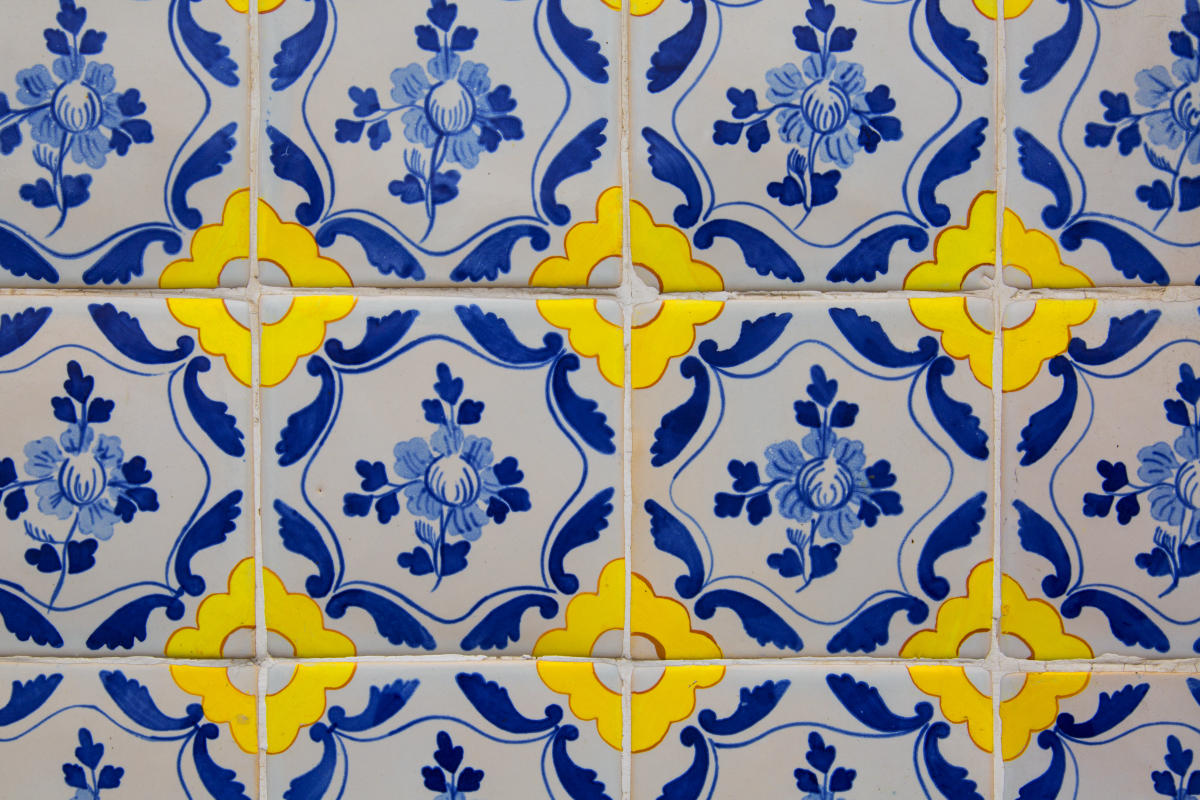
While classic cobalt blue and white compositions became widely renowned during the late seventeenth and eighteenth centuries, azulejos span a much wider palette. Early decorative panels incorporated rich yellows, warm greens, and terracotta tones, celebrating geometric rhythms and organic motifs. Whether portraying detailed narrative scenes of historical events, botanical flourishes, or repetitive geometric designs, each panel carries a narrative worth examining up close.
Iconic Stops to Admire Historic Tilework
One of the most celebrated showcases of historic tile artistry greets travelers at the São Bento railway station in Porto. Step inside the main hall to view more than twenty thousand tiles painted by artist Jorge Colaço in the early twentieth century. These grand compositions depict key moments in Portuguese history, royal pageantry, and traditional rural life, welcoming commuters and visitors alike with exceptional artistic scale.
Beyond Porto, you can encounter remarkable tile collections throughout Lisbon, Sintra, Aveiro, and the Alentejo. Lisbon is also home to the National Tile Museum (Museu Nacional do Azulejo), housed in the former Madre de Deus Convent, which traces the comprehensive history of the craft from early imported works to contemporary installations.
Whenever your travels take you across Portugal, take time to pause before these decorated walls. From small residential doorways to expansive public murals, azulejos turn everyday strolls into an engaging open-air gallery.