Autumn in Portugal: 8 Things You Didn’t Know About the Harvest Season
Falling Leaves, Ancient Traditions, and Deep Flavors Revealed
In Portugal, autumn isn’t a quiet season—it’s a sacred one. The countryside hums with harvest. Grapes are crushed underfoot. Olives fall into woven baskets. Firewood is stacked, and kitchens fill with the scent of quince, chestnut, and slow-simmered stew.
But beyond the beauty lies a world of curious rituals and ancient rhythms that most travelers never see.
At Portugal Magik Private Tours, autumn is when we slow the pace—inviting guests to feel the land, taste its bounty, and witness the rural customs that define the Portuguese soul.
Here are 8 surprising facts and experiences that reveal why fall is one of Portugal’s most magical, underappreciated seasons.
1. Grape Stomping Is Still Done by Foot—and by Song
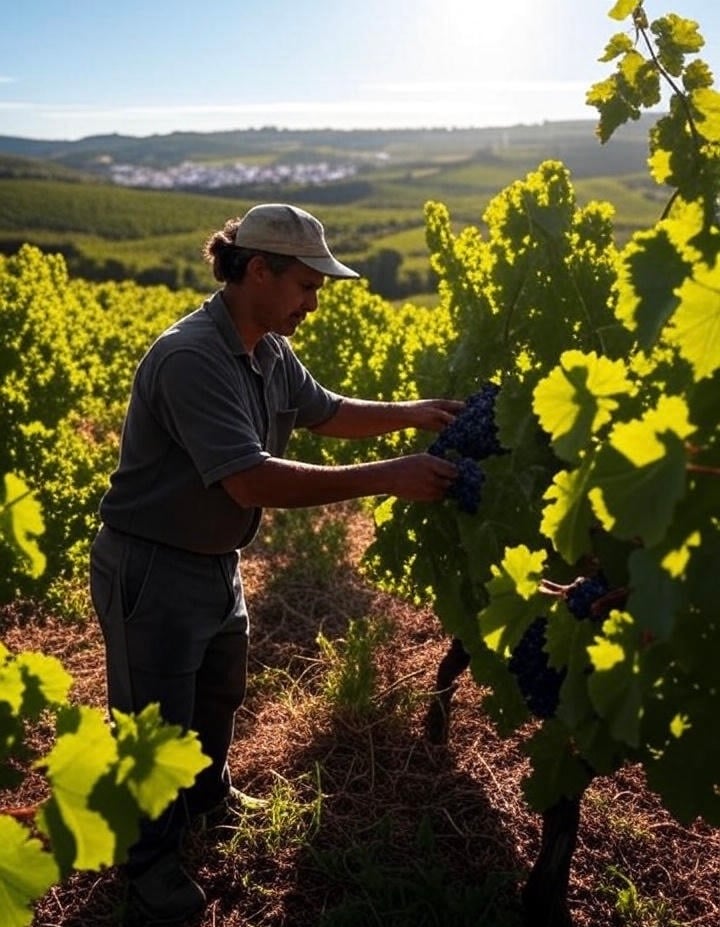
In the Douro Valley and Alentejo, grape harvest is a full celebration. But what most don’t know is that some quintas still crush grapes by foot, in traditional stone tanks called lagares. The stomping is often done in unison, accompanied by folk singing passed down through generations.
We offer guests the chance to participate in a harvest day—including grape picking, a private lunch with the winemaker, and yes, barefoot stomping (with a glass in hand, of course).
2. Chestnuts Are Roasted in the Streets for Saint Martin
Every November 11th, Portugal celebrates São Martinho, a harvest feast rooted in Roman and Christian tradition. Chestnuts are roasted over open flames in nearly every village square, paired with new wine (vinho novo) that’s tasted straight from the barrel.
What’s curious is that it’s considered good luck to eat exactly 11 chestnuts, while making a wish.
We take guests to small-town São Martinho festivals where they can roast with locals and learn the folklore behind this cozy, smoky ritual.
3. The Olive Harvest Is Done by Hand—and With Music
In the Alentejo, the olive harvest begins in October, and much of it is still done by hand—branches gently shaken while families sing or play music to pass the time.
Some producers still follow ancient Roman techniques, including stone milling and cold pressing.
With Portugal Magik, guests can visit boutique olive estates, join in the harvest, taste early-season “verde” oils, and enjoy a private meal flavored with just-pressed gold.
4. Autumn Is Quince Season—And It Has Its Own Ritual
Known as “marmelo”, the Portuguese quince is a curious fruit: bitter when raw, heavenly when cooked. It’s transformed into marmelada—a thick, sweet paste once reserved for nobility.
Many families still make it the old way: slow-cooked over two days, set in wooden molds, and wrapped in cloth like a gift.
We offer a special autumn culinary workshop where guests learn the marmelada method, with tastings paired with aged cheese and tawny Port.
5. The Vineyards Turn Gold—and the Tourists Are Gone
By late October, the Douro Valley shifts from green to glowing amber and deep burgundy. The view from above—terraces cascading toward the river in gold—is breathtaking. And yet, the crowds are gone.
This is when we guide guests on quiet vineyard walks, wine tastings by the fireplace, and boat rides wrapped in a blanket with a glass of red in hand.
It’s one of the most romantic ways to experience Portugal—with private access to the region’s most exclusive quintas.
6. Wild Mushroom Foraging in the Portuguese Forests
Few travelers realize Portugal has a thriving wild mushroom culture, especially in the pine forests of Beira Alta and the mountains of Peneda-Gerês. Autumn rains bring chanterelles, boletus, and míscaros—all foraged by locals with woven baskets and passed-down knowledge.
We can arrange private mushroom foraging outings with local experts, followed by a tasting lunch prepared with your finds—paired with natural wines or forest-distilled gin.
7. Fire-Cooked Dishes That Only Appear in Fall
As temperatures cool, Portuguese cuisine shifts. Wood ovens are lit. Clay pot stews return—like feijoada transmontana, slow-cooked beans and smoked meats. Wild game dishes reappear in village restaurants, and roasted pumpkin with spices appears in markets.
In places like Monsaraz or Castelo de Vide, we host private fall dining experiences—meals crafted with seasonal ingredients by local chefs, served beside a fireplace, paired with bold Alentejo reds.
8. Fall Is Portugal’s Secret Season for Romance and Reflection
Fewer crowds, softer light, cozy hotel stays. This is when Portugal breathes deeply. It’s ideal for couples, wine lovers, and seasoned travelers who crave calm over chaos.
Imagine staying at a vineyard hotel where your window opens to golden vines. Or walking through a medieval town under falling leaves. Or sipping herbal tea on a palace terrace as the sky turns orange.
Autumn in Portugal isn’t loud—it’s quiet, golden, and profoundly generous.
Discover a Portugal Most Travelers Miss
With Portugal Magik, autumn becomes more than a season—it becomes a curated journey through taste, tradition, and timeless beauty.
Let us guide you through harvests, festivals, and countryside sanctuaries—privately, luxuriously, and always at your pace.
Plan Your Private Autumn Journey Through Portugal
Custom-built itineraries with luxury transportation, handpicked accommodations, and private access to seasonal experiences.
-
View our luxury fall tour inspirations: https://portugal-magik.com/multi-day-tours/
-
Submit your request below to begin customizing
-
Reach us instantly via WhatsApp: https://wa.me/18884955099
-
Or call our U.S. office directly: (844) 923-2100