
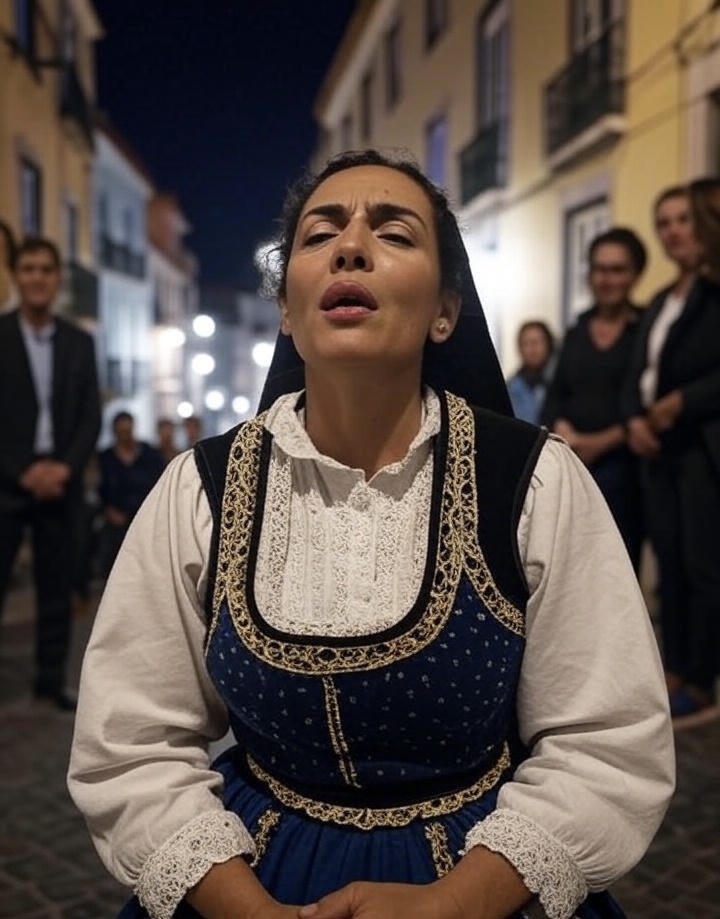
Amália Rodrigues: The Voice That Still Haunts Portugal
Her Music Defined a Nation. Her Silence Still Echoes in Lisbon’s Streets.
Long before fado was UNESCO-protected or featured in film festivals, it lived in back alleys and hearts. And no one gave it more voice—or more soul—than Amália Rodrigues. Even now, decades after her death, her voice remains Portugal’s most unforgettable sound.
For many Portuguese, Amália is not just a singer—she is the essence of saudade: longing without bitterness, sadness wrapped in dignity, beauty in its most human form.
At Portugal Magik Private Tours, we’ve brought guests from all over the world to stand quietly in her home, listen to her records, walk her Lisbon—and begin to understand how one woman transformed a country with nothing more than a voice, a shawl, and a song.
Here’s how to follow the story of Amália Rodrigues in Portugal.
1. She Was Born Humble, and Became a Legend
Amália was born in 1920 in Lisbon to a working-class family. She sold fruit near the harbor as a child. She didn’t train in music schools. She sang because she had to—because the emotion inside her needed to be sung.
Her voice, raw and haunting, began drawing attention at neighborhood gatherings. By the 1940s, she was filling theaters. By the 1950s, she was performing for royalty. But she never stopped singing the people’s music.
2. She Took Fado to the World Stage
Amália was the first Fado singer to perform internationally—from Paris to Tokyo, New York to Rio. She sang fado dressed in elegance, with an orchid in her hair and a black shawl across her shoulders.
-
Curious fact: Her international fame didn’t water down her soul. In fact, it deepened Portugal’s connection to its own music.
In 1956, Time Magazine called her “The Queen of the Fado.” But in Portugal, she simply became “Amália”—no last name needed.
3. Her Voice Could Fill a Room or Break a Heart
Listen to any Amália recording, and you’ll hear why she mattered. Her Fado wasn’t just technical—it was alive. She sang as if each word carried a lifetime.
Some of her most famous songs include:
-
“Povo que Lavas no Rio” – A cry for the Portuguese working class, and perhaps her most iconic performance.
-
“Estranha Forma de Vida” – A reflection on freedom, love, and life itself.
-
“Gaivota” – A whispered conversation with the sea.
Even those who don’t speak Portuguese feel her sadness, her strength, her clarity.
4. Her House Is Now a Museum—But Still Feels Like She Might Walk In
Tucked away on Rua de São Bento, near the heart of Lisbon, is Casa Museu Amália Rodrigues. It’s quiet, unpretentious, and deeply personal. Her clothes are still in the closet. Her perfume sits on a shelf. Her records remain stacked by the player.
-
Our guests often say: “It doesn’t feel like a museum. It feels like she still lives here.”
We can arrange private visits to her home, often paired with guided storytelling by a local historian or fado expert.
5. Lisbon Still Whispers Her Name
In Alfama, where she once sang in taverns. In Bairro Alto, where her recordings drift out of fado houses. In the old market near her childhood neighborhood, where you might hear someone say, “She was ours.”
Even Lisbon’s Botanical Garden houses a camellia named in her honor.
We offer Amália-inspired walking tours, combining stops like:
-
Her first stage performance in Mouraria
-
A visit to her favorite flower shop
-
A private rooftop sunset toast with a vintage recording playing in the background
6. Her Grave Is Visited Like a National Shrine
After her death in 1999, Amália was buried at Prazeres Cemetery, but in 2001, she was moved to the National Pantheon—an honor reserved for Portugal’s most treasured figures.
Locals still leave flowers, poems, candles, and lyrics at her tomb.
Why Amália Still Matters
Because she made pain beautiful. Because she gave voice to those who had none. Because when you listen to her—truly listen—you understand something about Portugal that no guidebook could ever teach.
To know Amália is to know a different kind of luxury: the luxury of emotion, depth, and timeless artistry.
Discover Amália’s Lisbon with Portugal Magik
We craft intimate cultural itineraries honoring Amália’s legacy—pairing music, memory, and place. Whether through museum visits, private fado evenings, or poetic walks through her Lisbon, you’ll leave not only informed—but moved.
-
Learn more about our cultural private tours: https://portugal-magik.com/multi-day-tours/
-
Use the form below to request a custom Fado-themed day
-
Contact our team on WhatsApp: https://wa.me/18884955099
-
Or speak with our U.S. travel team: (844) 923-2100