
From summer sardines sizzling on cobblestones to autumn embers warming northern plazas, Portuguese celebrations invite travelers into the living heart of village tradition.
The Awakening Scent of Fresh Basil and Grilled Fish
Long before the sun drops behind the tiled rooftops of Alfama or the granite balconies of Miragaia, the air carries unmistakable signals of celebration. It begins in the early morning with the sharp, sweet fragrance of manjerico, the small potted bush basil sold on street corners accompanied by paper carnations and four line rhyming poems. Vendors arrange their stalls with practiced ease, hanging colorful crepe paper garlands that crisscross between third story balconies like festive cobwebs. For travelers visiting during the Popular Saints festivities in June, the transformation of everyday historic neighborhoods into communal dining rooms is nothing short of magnetic.
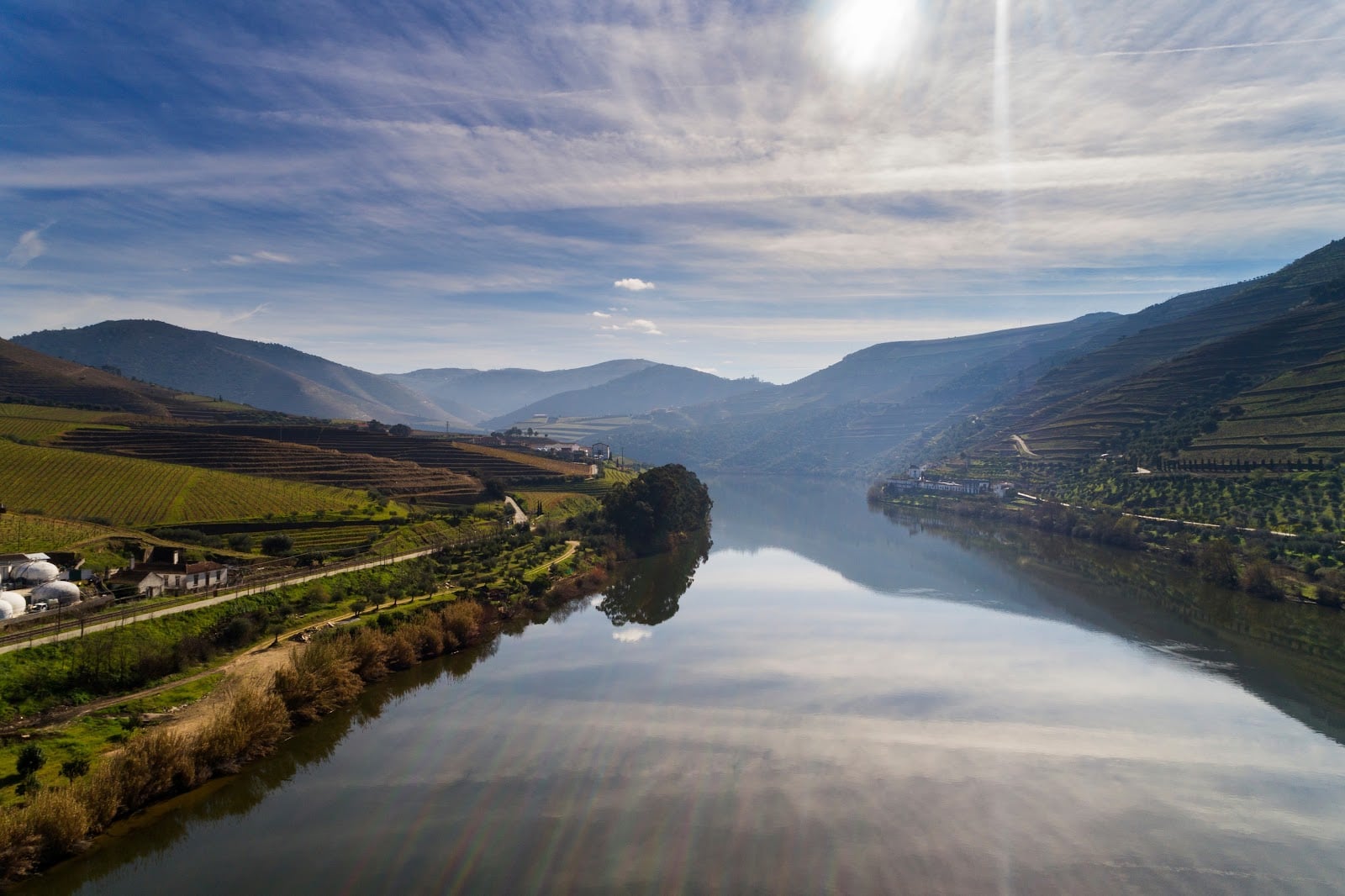
In Lisbon, the night of Santo Antonio turns the winding alleyways into open air taverns where thick cut crusty bread serves as the plate for freshly grilled sardines. Fat drips onto the charcoal, creating plumes of scented smoke that drift past Baroque church facades and laundry lines. Further north in Porto, the eve of Sao Joao brings an equally spirited commotion, where strangers greet one another with soft plastic hammers and tall leek stalks, wishing each other good fortune along the banks of the Douro River. These celebrations are not staged performances for onlookers. They are genuine expressions of community that have bound neighbors together across centuries.
A Midsummer Morning in Northern Granite Valleys
While coastal cities celebrate their patron saints with river breezes and sea salt, the interior towns mark the turning seasons with customs anchored deep in agricultural lore. Consider the northern town of Amarante in early June during the feast of Sao Goncalo. Here, along the green banks of the Tamega River, local bakers fill baskets with curious sweet cakes shaped in centuries old fertility motifs, while drummers fill the stone plazas with steady, hypnotic rhythms. It is a festival of music, folk dance, and sweet egg pastries that dates back to the Middle Ages, offering a window into a Portugal far removed from typical tourist trails.
Traveling between these regional celebrations is where the experience truly deepens. Moving smoothly along northern highway curves in a quiet Mercedes-Benz, travelers watch the landscape shift from pine covered hills to dramatic granite gorges. Having a dedicated local driver and guide allows you to navigate these festivities without the anxiety of road closures, steep pedestrian alleys, or scarce parking. Your guide understands when the processions pass, where the sweetest conventual pastries are baked, and how to shape the day around your personal interests and natural pace.
High Summer Pageantry and Ancient Floral Carpets
As midsummer arrives, central Portugal steps forward with displays of monumental craftsmanship. Every four years in July, the historic Templar city of Tomar hosts the Festa dos Tabuleiros, the Festival of the Trays. Women balance towers of bread, paper flowers, and wheat stalks on their heads, each tray matching the exact height of the wearer, while men walk alongside to steady them. The entire procession winds through narrow streets paved with limestone cobbles, cheered on by crowds who have gathered from across the province. The bread is later distributed to families in need, honoring an ancient vow linked to Queen Saint Isabel.
Further west, in the coastal canals of Aveiro and the nearby lagoon villages, summer brings water pageants and painted moliceiro boats gathering for regattas. A short journey inland leads to Viseu, where August brings the Feira de Sao Mateus, one of the oldest continuing trade and agricultural fairs on the Iberian Peninsula. Initiated in the twelfth century by royal charter, the fairgrounds still hum with potters spinning red clay, cheesemakers cutting wheels of raw sheep milk Queijo Serra da Estrela, and regional musicians tuning their violas beiroas.
Browse our travel inspiration for ideas, or tell us what kind of day you have in mind.
The Autumn Embers of Saint Martin
When November arrives, Portuguese festivals shift in character, exchanging bright ribbons and summer heat for the cozy, earthy warmth of the autumn harvest. The festival of Sao Martinho on November eleventh marks the symbolic tasting of the new wine and the celebration of sweet chestnuts. In small towns across the Tras-os-Montes and central Beira regions, open iron drums perforated with holes sit over glowing hardwood embers. Street vendors roast chestnuts until their shells split open, dusting fingers with pale white ash and delivering a creamy, piping hot sweetness.
In Golega, the national capital of the horse set in the fertile plains of the Ribatejo, Saint Martin brings the famed horse fair. Magnificent Lusitano horses with braided manes trot through sandy town squares alongside riders wearing traditional felt hats, woolen vests, and tall leather boots. Wine cellars open their wooden doors to passersby, pairing slices of cured chourico and warm broa bread with young, cloudy adega wine. The atmosphere is vibrant and deeply authentic, celebrating working traditions that have sustained rural families for generations.
Winter Fire and Northern Carnival Masks
As winter deepens toward February, the remote villages of the northeastern border region stage some of the most extraordinary folk rituals in Europe. In places like Podence, near Macedo de Cavaleiros, Carnival belongs to the Caretos. These are young men clad in fringed woolen suits dyed brilliant red, green, and yellow, their faces hidden behind painted tin or leather masks with sharp noses. Strapped with rattles and cowbells, they run through the cold mountain streets, creating an electrifying sound that is said to awaken the earth from winter sleep and banish bad spirits.
Experiencing such living heritage is unforgettable, yet remote rural festivals require local insight to appreciate fully. A knowledgeable private driver and guide can introduce you to the regional folklore, secure reservations at humble village taverns serving steaming bowls of feijoada or roasted kid goat, and adapt the day so you witness the main festivities while avoiding unnecessary crowds. Away from the bustle, your private vehicle provides a serene sanctuary, letting you reflect on the stories and songs of a country that still knows how to celebrate every season together.
Plan your own day
Share your dates, group size and interests, and we will suggest a tailored plan with a local driver/guide.