
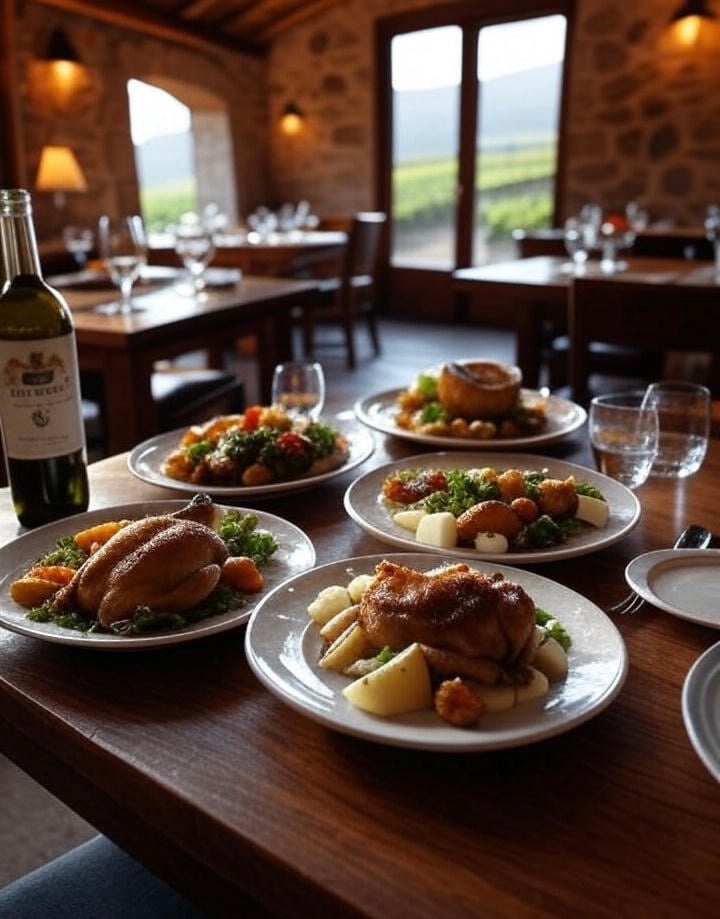
Seasonal Eating in Portugal: What the Best Chefs Know and Tourists Don’t
Flavors of the Land, Secrets of the Calendar, and the Quiet Luxury of Knowing What to Eat—When
In Portugal, to eat seasonally is not a trend. It’s tradition, necessity, and culture—blended into every dish. While most travelers gravitate toward the classics—bacalhau, grilled sardines, pastel de nata—the locals know that the truly unforgettable flavors come and go with the seasons.
Top Portuguese chefs—from rustic tavern cooks to Michelin stars—build their menus around the calendar, not the catalog. They know when the asparagus first peaks in Alentejo, when sea urchins return to the Algarve, or when the wild mushrooms push up in the forested north.
At Portugal Magik Private Tours, we design journeys that taste like Portugal—right now. Here’s what the best chefs know, and what most visitors don’t: 12 seasonal Portuguese ingredients and dishes that only shine for a few weeks a year.
1. January – Lampreia: The Ancient River Delicacy
This prehistoric fish, shaped like an eel, returns each winter to Portuguese rivers. In regions like Minho, it’s transformed into “lampreia à bordalesa”, stewed in red wine and served with rice.
-
Curiosity: Lampreia has been eaten in Portugal since Roman times, and is believed to bring vitality during the coldest months.
2. February – Wild Cabbage and “Caldo Verde” Season
Though Caldo Verde (green soup) is eaten year-round, winter brings heartier, spicier versions with wild cabbage, spicy chouriço, and dense local bread.
-
Chef insight: Some rural families still grow wild couve-galega, a traditional green now rare in cities.
3. March – Fresh Favas (Broad Beans) and “Favas com Entrecosto”
Spring signals the arrival of fresh fava beans, often cooked in olive oil and garlic with pork ribs, chouriço, and mint.
-
Where to taste it: At countryside taverns in Ribatejo and Estremadura, served with crusty corn bread and red wine.
4. April – Wild Asparagus and Spring Herb Omelets
In Alentejo, foragers pick wild asparagus along paths and meadows. It’s bitter, slender, and unmatched in flavor.
-
Chef tradition: Folded into omelets or added to scrambled eggs with fresh oregano, lemon zest, and a splash of local olive oil.
5. May – Cherries of Fundão and Fresh Sheep Cheese
May is when Portugal’s cherry capital, Fundão, bursts into harvest. Paired with young, creamy sheep’s milk cheese, it’s a beloved seasonal dessert.
-
Secret pairing: Drizzle with local acacia honey and a spoon of aguardente for a rustic, elevated bite.
6. June – Grilled Sardines Begin (But Only the First Are Sweetest)
Though sardine season stretches into August, the first catch in early June is the most prized—small, tender, and rich in oils.
-
Curiosity: Local wisdom says “the sardine doesn’t need salt”—the sea has already seasoned it.
7. July – Melon with Cured Ham (A Summer Ritual)
Portugal’s Casca de Carvalho melon is at its juiciest in July. Locals slice it thin and serve it with aged presunto (cured ham), often as a light summer dinner.
-
Chef’s touch: Add a drizzle of Moscatel or Port reduction and fresh mint.
8. August – Barnacles, Clams, and Sea-Foraged Delicacies
Percebes (goose barnacles) are dangerous to harvest and incredibly seasonal—appearing most in late summer during low tides.
-
Where to go: The cliffs of Zambujeira do Mar and Carrapateira, with private seafood tastings arranged overlooking the sea.
9. September – Grape Must and Harvest Table Feasts
During vindimas (grape harvest), many vineyards serve “lagarada” meals—feasts with meats, stews, and fresh grape must used in sauces or served as a sweet aperitif.
-
Chef experience: Join a winemaker’s table where the grapes you picked become the wine on your plate.
10. October – Wild Mushrooms in the North
Chanterelles, boletus, and míscaros appear after the first rains. Foragers rise early, selling their finds to chefs who craft earthy risottos and soups.
-
Tour idea: Join a private foraging walk in Serra da Estrela, followed by a fire-cooked tasting menu.
11. November – Chestnuts Roasted with Salt and Bay Leaf
Chestnuts mark autumn’s arrival. You’ll smell them roasting in the streets—but the best are served at home, with jeropiga and slow-cooked pork.
-
Chef pairing: Roasted chestnuts folded into wild mushroom ragout or pureed into velvety soup.
12. December – Sweet Rice, Convent Sweets, and Cinnamon Everywhere
Christmas brings “arroz doce” (sweet rice pudding), egg-yolk-based sweets from monasteries, and desserts perfumed with orange zest and cinnamon.
-
Curiosity: The traditional way to serve rice pudding is with a cinnamon stencil pattern, often in the shape of a star or cross.
What Portugal’s Chefs Know—and Share With Our Guests
To eat seasonally here is to taste the landscape: the sun in the melon, the forest in the mushroom, the ocean in the sardine. It’s a quiet luxury to know that you’re eating the right thing, in the right place, at the right time.
Our private culinary journeys include:
-
Seasonal tastings with chefs and producers
-
Market visits and cooking workshops
-
Vineyard lunches and seafood harvest days
-
Michelin-starred dining with seasonal menus
Taste Portugal Through the Seasons—Privately, Authentically
Let us design a gourmet journey through the flavors, farms, and kitchens of Portugal—season by season, taste by taste.
-
Explore our culinary-inspired private tours: https://portugal-magik.com/multi-day-tours/
-
Share your dates and preferences below
-
Message us on WhatsApp for real-time planning: https://wa.me/18884955099
-
Or speak to our U.S. team at: (844) 923-2100