Journey into the heart of central Portugal, where the quiet devotion of Fatima meets the soaring gothic ambition of Batalha.
Leaving the Capital Behind for Central Plains
Morning light in Lisbon has a way of softening the limestone facades before the city fully wakes. Heading north out of town in a quiet Mercedes-Benz, the urban tangle gives way quickly to rolling olive groves, stone-walled pastures, and the limestone ridges of the Serra de Aire. This central corridor of Portugal is where the country has repeatedly shaped its identity, through both spiritual fervor and defining battlefield triumphs.
Traveling with a knowledgeable local driver allows the pace of the morning to unfold naturally. Rather than checking train timetables or wrestling with highway tolls, you can look out over the chalky hills and listen to stories about how these quiet rural landscapes became two of the most visited destinations on the Iberian Peninsula. Within ninety minutes, the landscape flattens into the Cova da Iria, welcoming you to Fatima.
The Quiet Resonance of the Sanctuary of Fatima
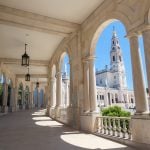
Fatima feels completely different from Europe’s grand, historic cathedrals. It is immense, open, and intensely focused on stillness. Back in 1917, this was simply an arid pasture where three young shepherd children, Lucia dos Santos and her cousins Francisco and Jacinta Marto, reported visions of the Virgin Mary. Today, the vast esplanade connects the neo-baroque Basilica of Our Lady of the Rosary with the modern, minimalist Basilica of the Most Holy Trinity.
Even on days when thousands gather, the overwhelming sensation is silence. Visitors walk across the white stone plaza, some on their knees in fulfillment of deeply personal vows, heading toward the Chapel of the Apparitions. A row of candles burns perpetually nearby, casting a warm glow and releasing the rich scent of beeswax into the crisp central air. Whether you arrive with religious intent or cultural curiosity, the sheer concentration of hope, memory, and gratitude gathered in this open space leaves a lasting impression.
Stepping into Village Life in Aljustrel
Just two miles down the road lies Aljustrel, the tiny hamlet where the three children were born and raised. Here, the scale shrinks back down to the early twentieth century. Walking along narrow lanes bordered by rough limestone houses, you quickly understand the humble rural world that shaped the children before their names traveled across the globe.
The small stone homes of Francisco, Jacinta, and Lucia have been preserved with period tools, rustic wooden beds, and open hearths where simple family pots once simmered. Stepping into the shaded courtyards under ancient olive trees offers an intimate counterpoint to the massive sanctuary down the road. It provides a human frame of reference, reminding you that great historical ripples often start in the quietest corners of Portugal.
Browse our travel inspiration for ideas, or tell us what kind of day you have in mind.
A Traditional Midday Pause in Batalha
A short drive westward brings you to the town of Batalha, where the scent of roasting meat and fresh bread drifts from tavern doors. Lunch here is unhurried, rooted in hearty central Portuguese cooking. Travelers often sit down to plates of roasted kid goat, known locally as cabrito assado no forno, cooked slowly in clay roasting pans with garlic, bay leaves, and small golden potatoes.
Another local favorite is chanfana, tender goat or mutton stewed for hours in red wine inside black earthenware pots from nearby villages. Paired with a crusty roll and a light red wine from the Encostas d’Aire region, it is the kind of meal that restores both body and mind. Before heading across the cobblestone square to the monastery, take time to enjoy a bica, a strong Portuguese espresso, alongside a sweet regional pastry filled with almond and egg cream.
The Soaring Gothic Drama of Mosteiro da Batalha
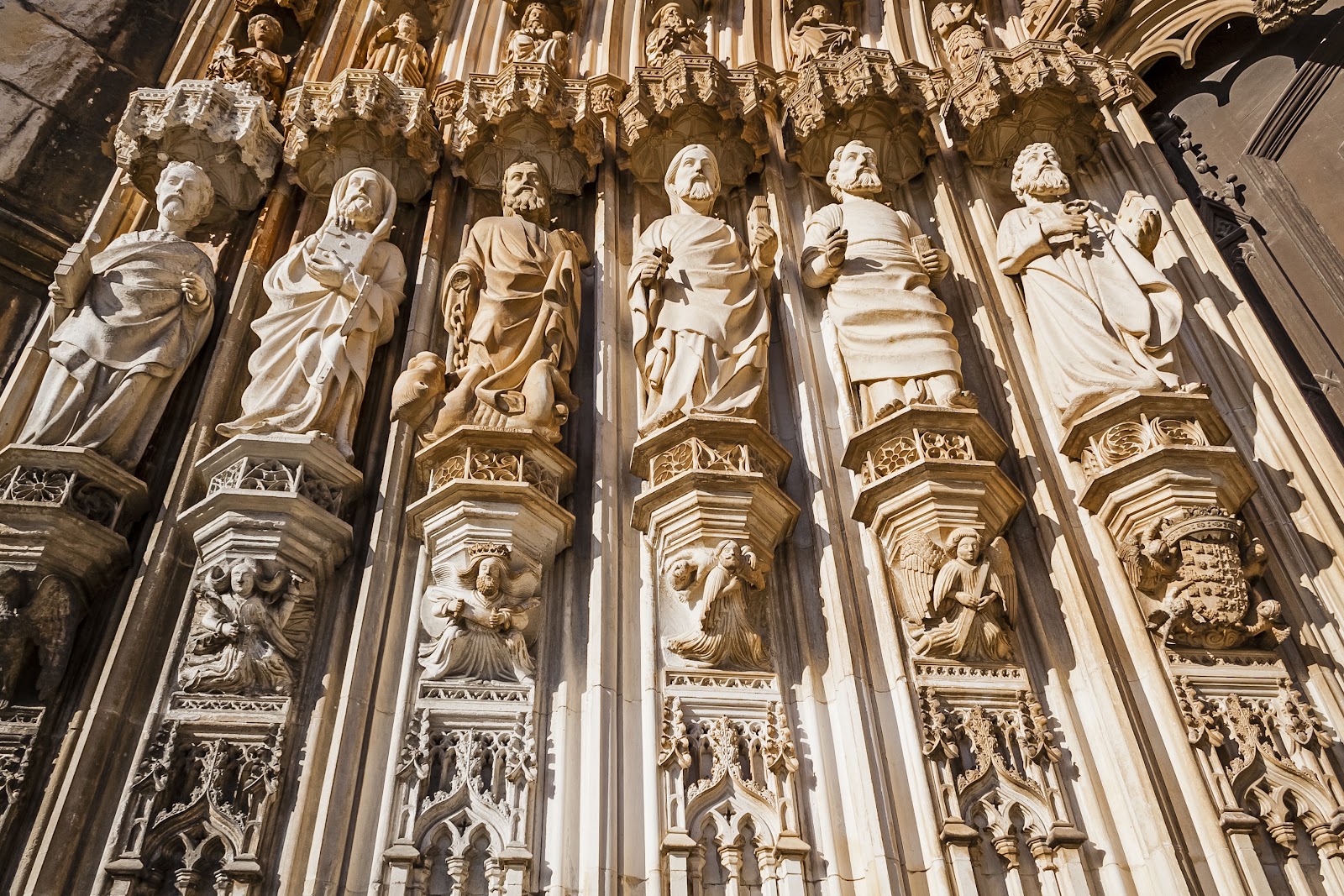
Nothing quite prepares you for your first close look at the Monastery of Santa Maria da Vitoria, known simply as Batalha. Rising out of the valley, it resembles a mountain carved from golden honey stone, festooned with flying buttresses, spires, and intricate pinnacles. King Joao I commissioned this Dominican abbey in gratitude for his victory at the Battle of Aljubarrota in 1385, a decisive clash that secured Portuguese independence from Castile.
Walking inside the church nave, the sheer height of the vaulted ceilings draws the eyes upward into floods of colored light thrown from centuries-old stained glass windows. In the Founder’s Chapel, you find the joint tomb of King Joao I and his English queen, Philippa of Lancaster, depicted holding hands in eternal alliance. Nearby rest their sons, including Prince Henry the Navigator, whose vision launched the caravel ships out across unknown oceans.
The Wonder of the Unfinished Chapels
Perhaps the most striking space in all of Portuguese architecture sits just behind the monastery choir. Known as the Capelas Imperfeitas, or the Unfinished Chapels, this octagonal pantheon was left roofless when King Manuel I redirected royal funds and stone carvers to the Jeronimos Monastery in Belem. Standing inside, you look directly up at the open sky through stone arches adorned with extraordinary Manueline lace.
The stone is carved with twisting ropes, artichokes, snails, and ivy, transforming heavy rock into organic poetry. The changing afternoon light shifts across the pale limestone columns, casting long shadows across the empty center. Because an experienced driver guide can adjust the day around your own pace, you never feel rushed through these remarkable cloisters, leaving ample time to sit quietly and admire the Royal Cloister with its delicate gothic tracery.
A Reflective Return South
As late afternoon arrives, the limestone of Batalha deepens into rich amber before you settle back into the vehicle for the ride south. The day holds a rare harmony, pairing the inward spiritual gravity of Fatima with the triumphant artistic majesty of Batalha. They represent two complementary faces of Portugal, one born of quiet country faith, the other forged in royal resolve and oceanic discovery.
Gliding down the highway toward Lisbon as the sun sets over the western hills, the landscapes that looked simple in the morning now carry names, dates, and vivid stories. It is a journey that lingers in the mind, proving how deeply two historic places, separated by only a few miles of pine and limestone, can reveal the soul of an entire nation.
Plan your own day
Share your dates, group size and interests, and we will suggest a tailored plan with a local driver/guide.