The Curious World of Portuguese Royalty: Palaces, Protocols, and Little-Known Legends
Behind the Velvet Ropes of a Once-Global Empire
While Portugal is often celebrated for its landscapes, wine, and warm simplicity, there’s a quieter layer of grandeur woven into its DNA—a royal legacy that shaped the world, built palaces across continents, and left behind stories as rich as any empire’s.
But unlike other monarchies, Portugal’s royal history is filled with unexpected twists, curious characters, and uniquely Portuguese rituals—many of which still echo in architecture, culture, and tradition.
At Portugal Magik Private Tours, we guide guests not just to Portugal’s palaces, but into their untold stories—with private access, local insight, and the kind of details you won’t find in guidebooks.
Here’s a glimpse into the fascinating world of Portuguese royalty—and how to explore it in style.
1. A Royal Family That Ruled Two Hemispheres
Did you know Portugal once had two royal courts—on two continents? During the Napoleonic invasions in 1807, the Portuguese royal family fled to Brazil, taking with them thousands of nobles, artists, and servants.
For over a decade, Rio de Janeiro became the capital of the Portuguese Empire, making Portugal the only European nation whose monarchy reigned from the New World.
You can still trace the legacy of this unusual chapter in places like Ajuda Palace in Lisbon, where royal life resumed after their return—under chandeliers that had crossed oceans.
2. Palácio da Pena: Portugal’s Answer to Neuschwanstein
Brightly colored and playfully eclectic, Pena Palace in Sintra was the passion project of King Ferdinand II, known as “the Artist King.” A romantic dreamer, he turned a ruined monastery into a whimsical palace that blends Moorish domes, Gothic turrets, and Renaissance flourishes—all perched above the clouds.
What most visitors miss? The symbolism hidden in the architecture, the love story behind its construction, and the surrounding forest gardens designed to reflect philosophical ideals.
With a private guide, the experience becomes something else entirely—quiet, rich, and full of wonder.
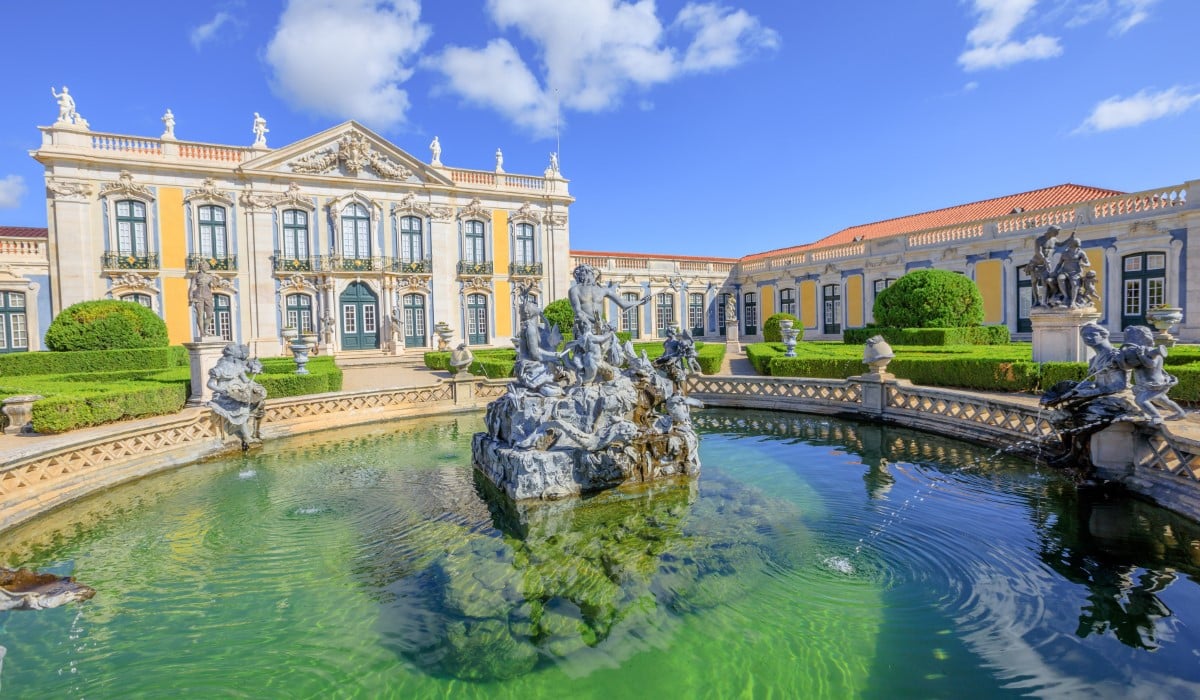
3. Queluz Palace: Versailles, But Intimate
Often overlooked in favor of grander castles, Palácio de Queluz is a Rococo jewel filled with mirrored ballrooms, frescoed ceilings, and sweeping gardens—once the preferred residence of Portuguese royalty in the 18th century.
It’s also where Dom Pedro I of Brazil was born, bridging the Portuguese and Brazilian royal lines. Today, guests can visit on private morning tours, followed by a royal-style lunch nearby or a classical music performance in the palace’s music room.
4. The Queen Who Wore Mourning for 60 Years
One of Portugal’s most poignant royal legends is that of Queen Maria I, known as Maria the Pious. After the death of her husband and eldest son, she never wore color again and descended into deep sorrow.
Her psychological decline influenced politics, religion, and court etiquette—eventually prompting the family’s move to Brazil. Her story is preserved in the quiet corners of Mafra Palace, and her legacy lives on in the complex relationship between grief, power, and religion in Portuguese royal life.
5. Mafra Palace: Monument of Ambition and Obsession
Commissioned by King João V after the birth of his first son, Mafra Palace is a staggering example of royal ambition: over 1,200 rooms, a basilica with six organs, two towers, and one of the world’s most beautiful libraries.
The construction nearly bankrupted the country—but the result is Portugal’s most monumental Baroque structure.
We often arrange private library viewings, where guests can admire rare books, ancient globes, and resident bats (kept to preserve the volumes by eating insects).
6. Royal Etiquette That Lives On
Though Portugal abolished its monarchy in 1910, much of the royal protocol still lingers. From military ceremonies to church rituals, from formal titles used in rural regions to the preservation of noble family lineages, there’s a quiet respect for tradition that still colors the national identity.
Traveling with an expert guide means these nuances are revealed—like the meaning behind certain colors, the symbolism in royal coats of arms, or why roses were planted near palace doors.
7. You Can Sleep in a Royal Residence
The best part? You don’t just have to visit this history. In Portugal, you can sleep in it.
-
Pousada de Óbidos: Castle walls, royal suites, and fairytale sunsets.
-
Palácio Estoi: Romantic gardens and Rococo elegance near Faro.
-
Convento do Espinheiro: Royal retreat turned five-star sanctuary near Évora.
With Portugal Magik, we combine these stays with private access, storytelling guides, and luxury transportation—for an experience that’s both elegant and immersive.
Royalty Isn’t Always About Crowns. Sometimes It’s About Care.
What Portugal’s royal legacy teaches us is that elegance can be quiet, traditions can be meaningful, and history can be lived—not just learned.
We design journeys that give our guests more than just access to Portugal’s palaces—we offer depth, comfort, and beautifully curated insight into a kingdom that once touched the world.
Ready to Travel Like Royalty—Without the Crowds?
Let us create your custom private itinerary through Portugal’s royal past—with exclusive stays, private guides, and unforgettable experiences.
-
Discover our luxury historical multi-day tours: https://portugal-magik.com/multi-day-tours/
-
Share your preferences using the form below
-
Message our team on WhatsApp: https://wa.me/18884955099
-
Or speak with us directly from the U.S.: (844) 923-2100