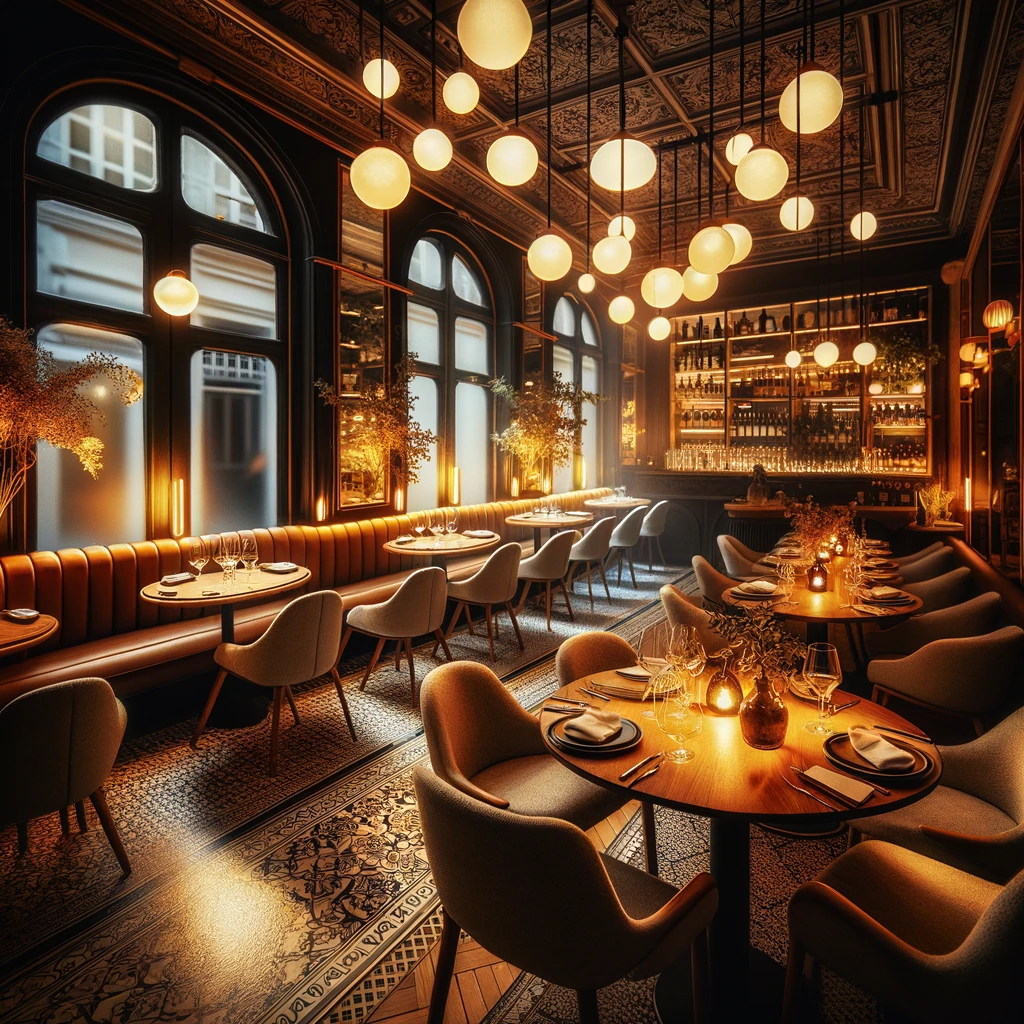
From a neighborhood fish counter to a lively food hall supper, Lisbon’s markets tell the story of a city through what it eats. Three well-chosen stops make a memorable day, with room for conversation, Portuguese wine, and an afternoon pause.
1. Begin where Alvalade does its everyday shopping
Start in Alvalade, a residential Lisbon neighborhood where the morning belongs to shopping bags rather than sightseeing groups. Mercado de Alvalade Norte, on Avenida Rio de Janeiro, offers a useful introduction to Portuguese market life: produce, fish, meat, and the small exchanges that keep a neighborhood supplied. Come on a weekday or Saturday morning, checking current opening hours before setting out. This is a working market, so its rhythm matters more than your itinerary.
Have breakfast at a neighborhood café before browsing: a bica, Lisbon’s familiar word for an espresso, and a buttered torrada if you want something simple. Americans accustomed to a large takeaway coffee may enjoy the change of scale. The pleasure is not a spectacular first bite but the chance to settle into the city. English is widely spoken in visitor-facing Lisbon businesses, though less consistently at traditional stalls; a greeting and a little patience go a long way.
2. Read Portugal’s Atlantic story at the fish counter
Stay in Alvalade long enough to look properly at the fish. Depending on the catch and season, the displays may include dourada, or sea bream, robalo, or sea bass, and silvery sardines. Their appearance changes through the year, which is precisely the point. Fresh sardines belong especially to Portugal’s warmer-month eating traditions, including Lisbon’s June festivities. A market counter gives that familiar grilled-fish photograph its missing context: somebody first had to choose the fish.
Salt cod tells another story. Bacalhau is deeply Portuguese in culinary identity, but the cod traditionally comes from northern Atlantic waters rather than the sea outside Lisbon. That distinction opens a conversation about preservation, trade, and the distance food travels before becoming a national staple. Families can turn the visit into a gentle discovery game, matching Portuguese names to recognizable ingredients. Ask before photographing vendors or their displays, and leave working space for shoppers. Observation is welcome; turning someone’s workplace into a stage is not.
3. Find two different Lisbons beneath Mercado da Ribeira’s roof
Continue to Mercado da Ribeira near Cais do Sodré while the traditional market is still active. The market opened in 1882, and its long commercial history remains part of the experience. In 2014, Time Out Market opened in another part of the building, bringing a curated food hall into the same address. These are related spaces, not interchangeable names for an identical experience: one supplies ingredients, while the other largely serves prepared food.
Arriving before lunch lets you appreciate that distinction rather than encountering only the busiest dining period. It also makes a satisfying comparison for travelers who know Barcelona’s Boqueria or Florence’s Mercato Centrale. Lisbon is not simply offering a smaller version of either city. Here, the contrast between daily provisioning and contemporary dining sits under one market roof. Notice the change in sound as you move from shopping to eating: orders being placed, chairs shifting, and conversations gathering around communal tables.
Browse our travel inspiration for ideas, or tell us what kind of day you have in mind.
4. Make lunch a Portuguese tasting conversation
At Time Out Market, let lunch answer the questions raised that morning. Look for Portuguese dishes on the current menus rather than assuming every counter serves local cooking. Bacalhau à Brás combines shredded salt cod with finely cut fried potatoes, egg, and onion. A prego is a beef sandwich, while a pastel de nata supplies the familiar custard finish. Offerings and operators change, so choose from what is actually being prepared that day.
For American couples or multigenerational families, the appeal is practical: different appetites can share a table without agreeing on one restaurant menu. The trade-off is noise, queues, and self-service rather than a leisurely restaurant setting. Prices are posted, making it straightforward to compare dishes and spending. Travelers weighing Portugal against France, Italy, or Spain should judge value by the actual meal, not assume every Lisbon address is inexpensive. A celebrated food hall can cost more than an ordinary neighborhood lunch.
5. Give the afternoon back to yourselves before Campo de Ourique
After lunch, resist making the day a competition in consumption. Take a rest, browse a few shops, or enjoy a walk before moving to Campo de Ourique. With Portugal Magik, a local driver/guide can shape the day around the guests, using a Mercedes-Benz vehicle for transfers and adjusting the pauses to energy levels and interests. These are urban journeys rather than long-distance drives, although Lisbon traffic still deserves a place in the plan.
Mercado de Campo de Ourique opened in 1934 and gained its food hall format in 2013. Its surrounding neighborhood adds much of the appeal: residential streets, independent businesses, and Jardim da Parada nearby. Arrive toward evening for a different market mood, remembering that fresh-food stalls and prepared-food counters may keep different hours. For retirees avoiding steep walks, or parents managing tired children, the ability to leave sightseeing behind and simply sit down can be the day’s most welcome pleasure.
6. End with a glass that gives the day a Portuguese accent
Let supper at Campo de Ourique be modest if lunch was generous. Browse the current counters, choose something that still sounds appetizing, and ask which Portuguese wines are available by the glass. An Alvarinho from the Vinho Verde region can offer citrus freshness and structure; an Alentejo red may suit a meat dish. Vinho Verde is a wine region and designation, not a promise that every bottle will be sweet or noticeably sparkling.
Without anyone needing to drive afterward, the evening can unfold at a comfortable pace. Keep ordinary city precautions in crowded spaces, particularly around phones and wallets, but do not mistake attentiveness for a reason to hurry. The best souvenir from this day is a connected memory: fish on ice, salt cod on a plate, and a Portuguese grape name worth remembering. Lisbon’s markets make those connections feel wonderfully natural.
Plan your own day
Share your dates, group size and interests, and we will suggest a tailored plan with a local driver/guide.