From the dramatic ramparts of Marvao to the painted gates of Obidos, Portugal preserves storybook fortifications with remarkable warmth and accessibility. Here are seven fortified historic gems that American travelers consistently adore.
1. Marvao, an eagle nest above the Spanish frontier
Perched nearly three thousand feet high in the Serra de Sao Mamede, Marvao feels like an outpost lifted directly from Arthurian legend. The sheer granite cliffs drop away into rolling plains that stretch east toward Spain, offering panoramas that rival any fortress in Provence or Tuscany. American travelers often find themselves astonished by the quiet here. Whitewashed cottages with wrought iron balconies and terracotta roofs tuck into narrow lanes paved with smooth river stone, while the thirteenth-century castle keeps watch from the highest crag.
A local driver and guide can shape the day around your personal interests, letting you linger along the northern ramparts before stepping into a modest family tavern for regional migas and roasted chestnuts. Because English is spoken with natural warmth and hospitality throughout the village, ordering a glass of robust Alentejo red wine feels entirely unhurried. Exploring these high battlements without the intense crowds of southern France allows you to experience history as a living, serene community.
2. Obidos, the gift of kings on the Silver Coast
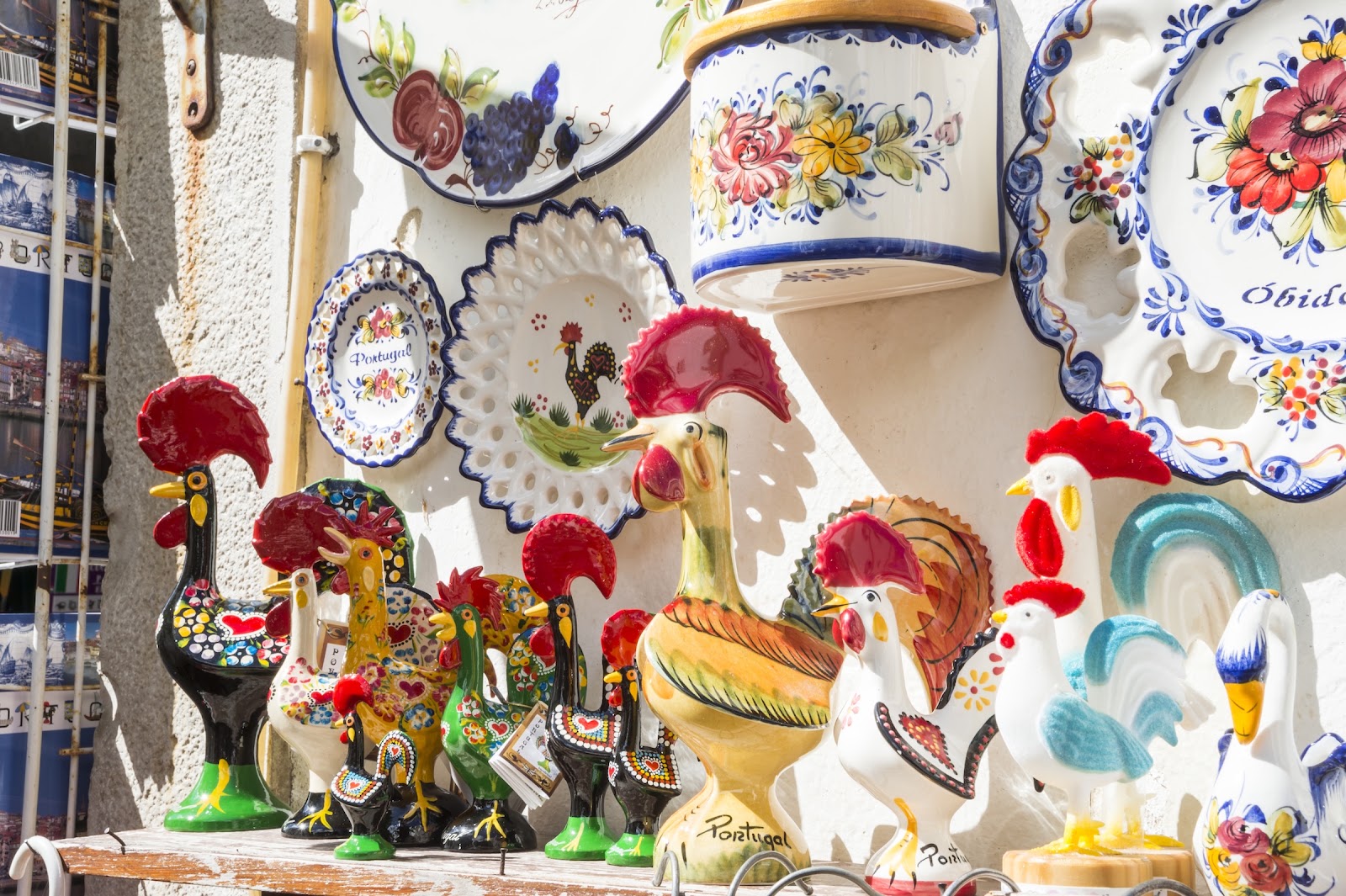
Just over an hour north of Lisbon, Obidos is renowned as the town given by Portuguese monarchs to their queens as a wedding present. Encircled entirely by intact medieval crenellations, the town welcomes visitors through the Porta da Vila, an arched gateway lined with blue and white eighteenth-century glazed tiles. Inside, bougainvillea and blue morning glories climb whitewashed facades, framing tiny artisan shops, historic bookstores, and cafes serving sour cherry ginjinha liqueur out of edible chocolate cups.
For American travelers used to navigating sprawling European cities, Obidos offers the rare delight of being completely walkable from end to end in twenty minutes. Yet it never feels rushed when approached with patience. You can climb the stone steps up to the ramparts for views across surrounding orchards and vineyards, then head downhill toward a courtyard lunch of grilled sardines or bacalhau with locally pressed olive oil, all at a fraction of the cost of similar spots in Italy.
3. Monsaraz, limestone lanes overlooking Europe largest reservoir
Rising like a white ship above the golden fields of the eastern Alentejo, Monsaraz has watched over the Guadiana River valley since prehistoric times. Within its defensive gates, you will not find automobile traffic or chain stores, only sunlit lanes of slate and lime, centuries-old churches, and quiet squares where village elders greet passersby with a nod. From the castle courtyard, the view opens across the shimmering blue expanse of Lake Alqueva, creating a striking contrast of deep water and ancient rock.
Well-traveled Americans often rank Monsaraz among their favorite European afternoons because it invites genuine relaxation. You can sit on a shaded terrace sampling creamy Serpa cheese and cured ham while the afternoon sun bathes the fortress walls in amber light. Having a private Mercedes-Benz vehicle waiting outside the walls means you skip the stress of tight parking and mountain switchbacks, gliding smoothly between viewpoints at your own preferred cadence.
Browse our travel inspiration for ideas, or tell us what kind of day you have in mind.
4. Guimaraes, the granite cradle of Portuguese nationhood
In the verdant Minho region, Guimaraes represents the very birthplace of Portugal. Its high medieval walls, bearing the famous declaration that the nation was born here, protect a UNESCO-listed historical core filled with half-timbered townhouses and grand granite squares like Largo da Oliveira. The towering tenth-century castle of Dom Afonso Henriques stands proudly adjacent to the Palace of the Dukes of Braganca, offering visitors a deep dive into Romanesque and Gothic architecture.
American visitors appreciate how easily Guimaraes balances rich historical gravitas with vibrant contemporary life. Outdoor cafes hum with friendly conversation, and the local cuisine is both hearty and exceptional, from tender roasted veal to light, effervescent Vinho Verde. The short driving distances between Porto and Guimaraes make it an effortless day journey, leaving ample time to walk the quiet ramparts before returning to the coast for dinner.
5. Almeida, the twelve-pointed star of the high plains
Near the northeastern border, Almeida presents a fascinating departure from typical fairy-tale turrets. Built in the seventeenth and eighteenth centuries upon ancient foundations, Almeida is one of the world most pristine examples of star-shaped military engineering. Its massive sunken earthworks, stone moats, and vaulted bomb-proof barracks were designed to withstand heavy siege artillery during the Peninsular Wars, giving the entire perimeter an astonishing geometric precision when viewed from above.
Stepping through the grand double gates of San Francisco reveals a peaceful rural community where cobblestones muffle every step. Americans who love military history find Almeida completely captivating, yet delightfully free of tourist lines. Inside the walls, local restaurants serve traditional roasted kid goat and almond pastries, offering visitors an authentic taste of the Beira Alta region where English is warmly welcomed despite the town remote, untouched atmosphere.
6. Elvas, monumental aqueducts and frontier bastions
Elvas boasts the largest complex of dry-moated star fortifications in existence, earning it global recognition from UNESCO. Approaching the city, travelers are greeted by the magnificent Amoreira Aqueduct, a four-tier stone masterpiece that took more than a century to construct. Within the formidable outer curtain walls lies a warren of steep alleys, military quarters, and Manueline townhouses that showcase the strategic importance of this border town throughout centuries of conflict with Spain.
Despite its formidable defenses, Elvas feels deeply welcoming. Americans love wandering through the Praça da Republica, admiring the patterned cobblestone pavement and stopping for traditional plum sweets and crisp white wines. Exploring the massive Fort of Graca just outside the town core offers another layer of panoramic drama, showing how centuries of fortress design shaped the rolling Alentejo horizon into a work of strategic art.
7. Castelo de Vide, whitewashed quarters beneath northern peaks
Tucked into the green slopes of northern Alentejo, Castelo de Vide is affectionately known for having one of the best-preserved medieval Jewish quarters in the Iberian Peninsula. Cobbled lanes climb steeply toward the castle, lined with Gothic doorways, vibrant flower pots, and stone water fountains that have cooled travelers since the fourteenth century. The tiny restored synagogue, now a thoughtful museum, offers a poignant glimpse into the diverse cultural threads that built Portugal.
A trusted driver and guide can shape the day around your pace, perhaps timing your climb to the castle keep for late afternoon when the valley breezes sweep over the terracotta roofs. Afterward, an early supper of rabbit stew or wild asparagus scrambled eggs at a neighborhood tasca brings the day to a rich close. The smooth, quiet journey through the surrounding oak forests back to your hotel provides the perfect restful conclusion to an unforgettable walk through Portugal defended past.
Plan your own day
Share your dates, group size and interests, and we will suggest a tailored plan with a local driver/guide.