Follow Lisbon’s river light south to the Algarve, then turn inland toward the whitewashed villages of Alentejo. This tailored eight-day itinerary balances celebrated sights with long lunches, coastal walks, and one especially memorable afternoon above the plains.
Day 1: Arrival in Lisbon, a Gentle Introduction by the River
Begin in Lisbon with an afternoon that asks little of you: settle in, then walk across Praça do Comércio, where the city opens toward the Tagus in a broad sweep of arcades and pale stone. Rebuilt after the devastating earthquake of 1755, this former royal palace site makes an eloquent introduction to a capital that has repeatedly remade itself without losing its attachment to the river. Continue into Alfama, taking its steep lanes slowly rather than treating every staircase as an invitation. For dinner, choose grilled fish with boiled potatoes and a glass of Portuguese white wine, leaving ambitious tasting menus for another evening. Overnight in Lisbon, with the first day devoted to arriving rather than accomplishing.
Day 2: Lisbon, Maritime Stories and a Custard Tart
Spend the morning in Belém, where the Jerónimos Monastery gives Portugal’s maritime history a monumental setting, its richly carved Manueline stonework rewarding attention to ropes, foliage, and other intricate details. Commissioned under King Manuel I in the early sixteenth century, the monastery belongs to an age of extraordinary navigation, imperial ambition, and trade whose consequences reached far beyond Portugal. Follow the visit with a warm custard tart at Pastéis de Belém, which began selling its pastries in 1837, and let coffee provide the pause between history and the afternoon. Portugal Magik’s private driver/guide handles the driving and pacing in a Mercedes-Benz vehicle, shaping the day around the guests’ interests and appetite for walking. Overnight in Lisbon, with dinner close to your hotel.
Day 3: South to Lagos, Where the Algarve Meets the Atlantic
Leave Lisbon after breakfast for Lagos, allowing much of the morning for the drive south and resisting the temptation to turn a transfer day into a procession of stops. After lunch, explore the old town around Praça Infante Dom Henrique, where the handsome waterfront setting also carries difficult history: Lagos was an early center of the trade in enslaved Africans brought to Portugal during the fifteenth century. Later, visit Ponta da Piedade, where ocher limestone pillars and arches rise from clear water, choosing the clifftop paths rather than committing to the long stairway. Order cataplana de peixe for dinner, a fragrant fish stew prepared in the Algarve’s distinctive hinged vessel, and ask which fish are available that day. Overnight in Lagos.
Browse our travel inspiration for ideas, or tell us what kind of day you have in mind.
Day 4: Sagres and the Wind at the Edge of the Coast
Make this a day of open horizons, traveling west to Sagres before continuing to Cabo de São Vicente, where the lighthouse stands above sheer cliffs exposed to the Atlantic. At Fortaleza de Sagres, the pleasure lies partly in walking the headland and considering its association with Prince Henry the Navigator, while remembering that the familiar story of a formal navigation school here is not securely documented. The landscape needs little embellishment: low vegetation, salt on the air, and waves breaking far below the walls. Return toward Lagos for a late lunch of grilled sea bream or sea bass, with a crisp white wine if the afternoon is yours to linger over. Overnight in Lagos, carrying back a little of the headland’s spaciousness.
Day 5: Tavira, Tidal Water and an Eastern Algarve Lunch
Travel east to Tavira, a town whose tiled roofs, church towers, and riverfront offer a different Algarve from the dramatic cliffs around Lagos. Walk beside the Gilão and cross the bridge commonly called Roman, although its surviving structure owes much to later rebuilding, then climb toward the castle garden for a view across the rooftops. In settled weather, take the public ferry to Ilha de Tavira, checking seasonal departures and leaving enough time for an unhurried return rather than making the beach a logistical exercise. Lunch might be arroz de polvo, octopus rice served moist and full of flavor, followed by a quiet hour watching the tidal water change beneath the town’s crossings. Overnight in Tavira, enjoying an evening that requires no further driving.
Day 6: Inland to Évora, from Coastal Light to Ancient Stone
Turn north toward Évora, exchanging the coast for a longer inland drive through landscapes that gradually open into the cork oaks, pasture, and broad skies associated with Alentejo. Arrive in time for a late lunch and begin exploring at the Roman Temple, whose surviving Corinthian columns date to the first century AD and stand unexpectedly among the buildings of a living city. Continue to Praça do Giraldo, where arcades provide shade and café tables encourage a slower introduction than a full afternoon of museum visits would allow. Try açorda à alentejana, a bread-based dish fragrant with garlic and coriander, often served with a poached egg, alongside a regional white wine. Overnight in Évora, saving its smaller lanes for a stroll after the day visitors depart.
Want this route shaped around your own dates and pace?
Day 7: São Pedro do Corval and Monsaraz, the Day to Remember
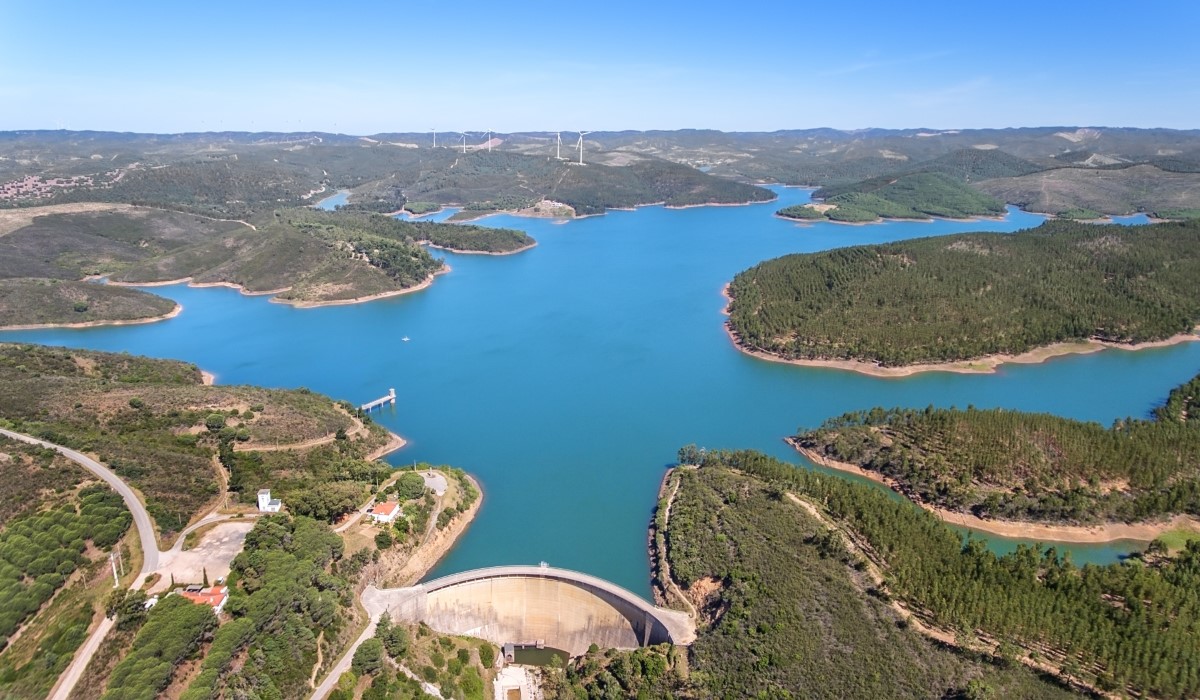
Give this day to São Pedro do Corval and Monsaraz, beginning among the pottery workshops of the former, where shelves of painted bowls and serving dishes connect the region’s craft traditions to the everyday business of feeding a household. Ask about the pieces made on site, and take time to notice the difference between a decorative souvenir and a generous platter you might actually carry to your own table. Continue to hilltop Monsaraz for lunch, perhaps slowly cooked Alentejo pork with a local red, before walking the whitewashed lanes toward the castle and its sweeping view over the Alqueva reservoir. Here, a medieval fortified settlement overlooks a distinctly modern waterscape, making this the itinerary’s most memorable meeting of old Portugal and new. Overnight in Évora.
Day 8: Arraiolos and a Thoughtful Return to Lisbon
Leave Évora for Arraiolos, where the final morning belongs to embroidered wool rugs rather than another grand monument, with a visit to the interpretive center providing context for a craft closely identified with the town. The rugs’ patterns reward close looking, and their familiar name can obscure the patient handwork behind them: these are embroidered textiles, not simply woven carpets. Walk up toward the castle’s unusual rounded enclosure if the weather and your energy invite it, then settle into lunch with sheep’s cheese, bread, olives, and a final taste of Alentejo wine. Continue to Lisbon in the afternoon, leaving a generous cushion rather than attaching this village visit to a tightly timed flight. Overnight in Lisbon, with pottery, sea air, and that Monsaraz horizon still competing for the journey’s strongest memory.
Plan your own day
Share your dates, group size and interests, and we will suggest a tailored plan with a local driver/guide.