From clay-aged Alentejo wines to the Douro’s steep terraces and Atlantic vineyards near Lisbon, this eight-day itinerary follows the landscapes behind the labels. Its most memorable afternoon might be the simplest: a village table, local bread and a wine that makes sense only once you have seen where it grows.
Day 1: Arrival in Lisbon, a First Taste of Portugal
Begin in Lisbon with an afternoon that asks little of you: settle in, then walk through Chiado toward Praça do Comércio, where the broad riverfront offers a welcome sense of space after an overnight flight. The square occupies the site of the royal palace destroyed in the 1755 earthquake, an introduction to a city whose beauty owes much to rebuilding. At a wine bar, order a glass of Arinto from the Lisboa region with sheep’s cheese, noting the grape’s lively acidity rather than trying to memorize a map of appellations. Portugal Magik’s private driver/guide handles the driving in a Mercedes-Benz vehicle and can shape the pacing around your arrival and energy. Stay overnight in Lisbon, leaving ambitious sightseeing for another visit.
Day 2: Lisbon to Evora, Stone Streets and Alentejo Reds
Leave Lisbon after breakfast for Évora, allowing roughly an hour and a half of driving before the landscape of cork oaks and open fields gives way to the city’s old walls. Walk to the Roman Temple, which dates to the first century AD, then follow the lanes toward Praça do Giraldo, where arcades provide a welcome patch of shade. Lunch is the moment for migas, the Alentejo preparation of bread worked with garlic and fat, often served alongside pork, and a regional red built around Aragonez or Trincadeira. Keep the afternoon deliberately loose, noticing the whitewashed walls, yellow borders and substantial doorways that make Évora rewarding without a packed checklist. Stay overnight in Évora, with dinner within walking distance of your accommodation.
Day 3: Monsaraz and Reguengos, the Afternoon to Remember
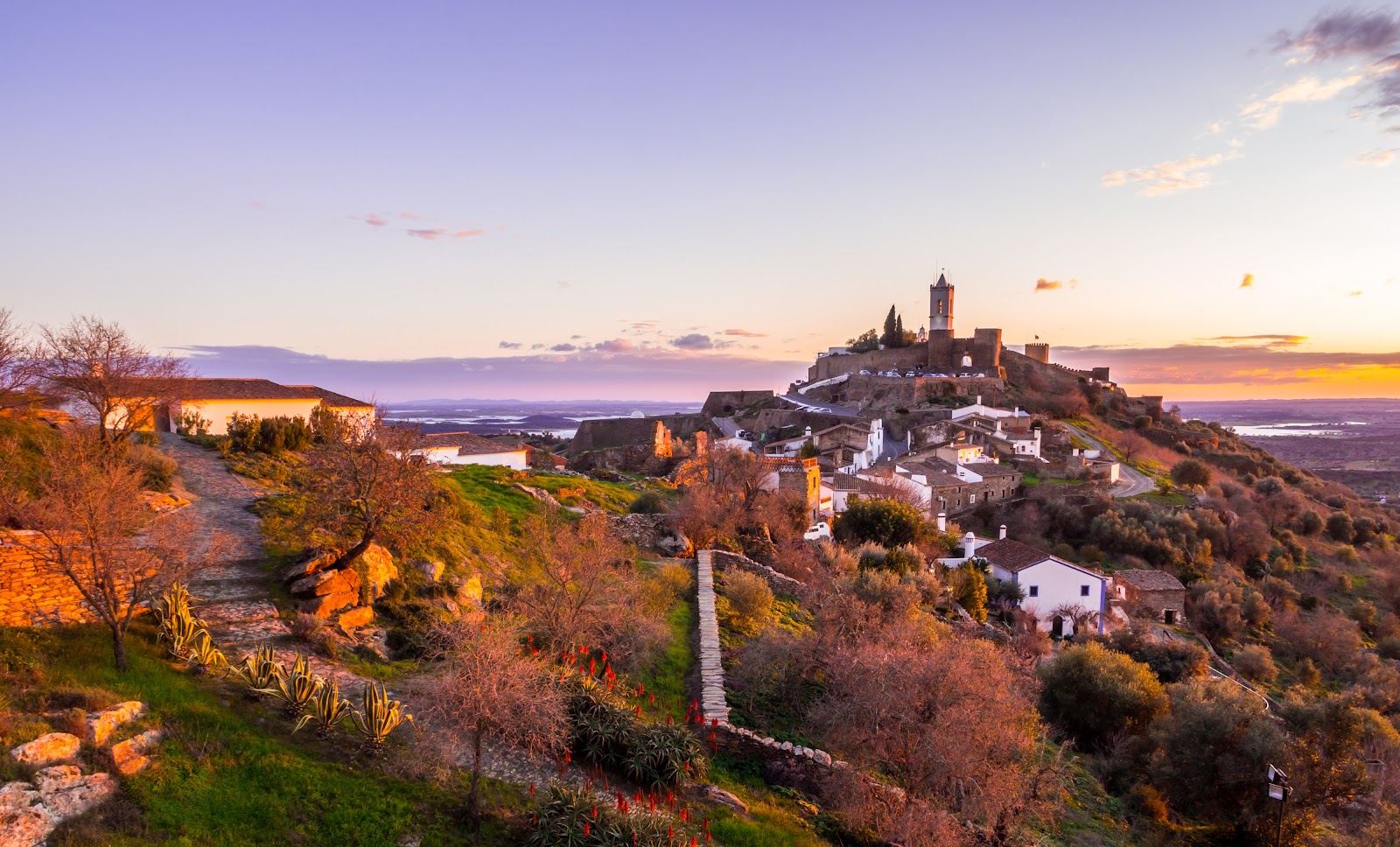
Make this the journey’s centerpiece: travel from Évora to Monsaraz before the strongest heat, when the schist paving and whitewashed houses still invite a slow walk rather than a retreat into shade. From the castle walls, look across the Alqueva reservoir and imagine the older landscape beneath this relatively recent expanse of water, created by a dam completed in 2002. Continue toward Reguengos de Monsaraz for a prebooked visit to Herdade do Esporão, where the estate’s medieval tower gives historical depth to a conversation about contemporary Alentejo winemaking. Over lunch, seek out açorda alentejana, the bread, garlic and coriander soup, and let a local white challenge the assumption that this warm region belongs only to reds. Return to Évora overnight, carrying the day’s contrast of water, dry earth and fresh acidity.
Browse our travel inspiration for ideas, or tell us what kind of day you have in mind.
Day 4: Vila de Frades, Wine from Clay
Head south to Vila de Frades, near Vidigueira, for a different Alentejo story, one told through enormous clay vessels rather than rows of oak barrels. At Adega-Museu Cella Vinaria Antiqua, a visit introduces the region’s talha tradition, in which grapes ferment in clay using methods with roots in antiquity; arrange ahead and confirm the tasting offered for your dates. These vessels are working objects as well as beautiful ones, and the most useful questions concern skins, temperature and the protective coatings used inside the clay. Choose a village lunch of pork and local bread, asking which talha wine best suits the food, while remembering that the traditional opening of the vessels is associated with Saint Martin’s Day in November. Return to Évora for a final overnight among its quiet evening streets.
Day 5: Across Portugal to Pinhao, a Change of Scale
Leave Évora early for the Douro, treating this as a substantial transfer day of roughly five to six hours behind the wheel before stops, rather than disguising it as another leisurely tasting circuit. Pause in Lamego for lunch and, if energy allows, a look at the monumental staircase leading toward the Sanctuary of Nossa Senhora dos Remédios. A bowl of caldo verde and a modest meal make more sense here than a long wine pairing, with the final winding approach to the valley still ahead. Continue to Pinhão as the scenery gathers into steep, patterned slopes, and notice how little the Douro resembles the open country you have just left. Stay overnight in Pinhão, saving your first considered Douro tasting for tomorrow rather than squeezing it between arrival and dinner.
Day 6: Pinhao, Vineyard Stories and a Douro Table
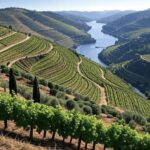
Begin at Pinhão railway station, whose tile panels depict vineyard work and river transport, offering a compact visual history before you encounter the terraces themselves. Then take a prebooked tour at Quinta do Bomfim, the Symington family estate associated with Dow’s ports, where a tasting can clarify the distinction between fortified port and the valley’s unfortified wines. The Douro was formally demarcated in 1756, but its most compelling story is physical: generations of labor invested in slopes that seldom offer an easy place to stand. At lunch, look for roast kid, a regional favorite when available, alongside a Douro red, then consider a short drive toward Casal de Loivos for the valley panorama. Stay overnight in Pinhão, with no need to turn one good estate visit into a competition.
Want this route shaped around your own dates and pace?
Day 7: Douro to Lisbon, with Coimbra Between
After breakfast, leave Pinhão for Lisbon, breaking the journey in Coimbra rather than attempting another morning estate visit before several hours on the road. The university crowns the old city, and a walk through its historic precinct gives this travel day a different register, replacing vineyard geometry with courtyards, stone stairways and centuries of academic life. If the Joanina Library matters to you, reserve the appropriate timed admission in advance and allow enough time for the uphill approach. For lunch, choose chanfana, goat slowly cooked with red wine, a specialty associated with the surrounding area, before completing the drive south. Stay overnight in Lisbon, ideally with a light supper and an early night rather than another elaborate tasting after a day spent changing regions.
Day 8: Colares and the Atlantic, Lisbon’s Final Wine Lesson
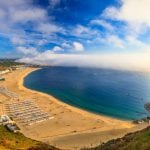
Dedicate the final full day to Colares, west of Lisbon, where Atlantic exposure and sandy soils tell a sharply different wine story from the heat of Alentejo and the Douro’s sheltered slopes. Arrange a visit with Adega Regional de Colares and ask about Ramisco, the red grape famously cultivated on its own roots in the appellation’s sandy vineyards, which resisted phylloxera. Taste it beside a local Malvasia if available, allowing these distinctive wines to set their own terms rather than comparing them with familiar American styles. Continue to Praia das Maçãs for grilled fish and a walk beside the Atlantic, a fitting last meal after a week spent tracing wine back to landscape and labor. Return to Lisbon overnight, with departure planned for the following morning.
Plan your own day
Share your dates, group size and interests, and we will suggest a tailored plan with a local driver/guide.