A day from Lisbon to the sandy vineyards of Colares turns unfamiliar grape names into stories worth remembering. Between an Atlantic white, a stubborn red and a few discoveries back in the city, Portugal begins to taste wonderfully personal.
Morning begins with a name you cannot quite pronounce
At breakfast in Lisbon, Ramisco looks like a word you might forget before the coffee arrives. By evening, it can stand for an entire landscape: low vines, loose sand, Atlantic wind and the surprising persistence of people who keep growing grapes where building houses might be easier. That is the pleasure of approaching Portuguese wine through a day out rather than a checklist. You need not master the country’s hundreds of grape varieties. You only need a few good encounters.
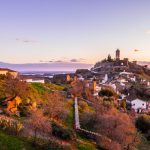
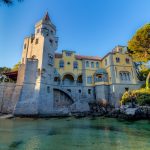
Head west towards Colares, on the Atlantic side of the Sintra hills, leaving the city’s tiled fronts for a greener, cooler world. With Portugal Magik, the journey is in a Mercedes-Benz vehicle, and a local driver/guide can shape the day around the guests, whether that means more time discussing vineyards or a longer lunch beside the ocean. Arrange cellar visits ahead; this is working wine country, not a succession of permanently open tasting counters.
Colares teaches its first lesson in sand
The historic Colares appellation is small, and its most distinctive vineyards occupy sandy ground near the coast. Here, Ramisco, the signature red grape, traditionally grows low, sheltered from fierce maritime winds by windbreaks. The landscape is nothing like the steep terraces travellers associate with the Douro. Its drama is quieter: vines close to the earth, the ocean just beyond sight, and sand that shifts beneath your shoes.
That sand matters historically. Phylloxera, the insect that devastated European vineyards in the nineteenth century, struggles in sandy soils. Colares consequently became known for vines growing on their own roots, rather than grafted onto resistant American rootstocks. Establishing these vineyards required digging through the sand to the underlying clay layer, sometimes several metres down. Ask about this at Adega Regional de Colares, the cooperative founded in 1931. The story makes the wine feel less like a collectible bottle and more like the result of extraordinary physical work.
Two local grapes, two different kinds of patience
Ramisco is not necessarily a red that wins you over with immediate softness. Young examples can have firm tannins and pronounced acidity; age can bring a gentler texture and savoury complexity. If a mature bottling is available to taste, notice how freshness survives even as the flavours evolve. There may be dried fruit, earthy notes or something reminiscent of woodland. These are impressions, not an examination with correct answers.
The white counterpart is Malvasia de Colares. Do not assume that every wine bearing the name Malvasia is made from the same grape: that name belongs to a complicated family of varieties and local traditions. Here, the white wines can combine freshness with texture, sometimes developing nutty, waxy or dried-fruit notes as they age. A salty impression is often part of the conversation, although it should not be mistaken for seawater literally entering the wine. Taste slowly, then ask what comes from the grape, what comes from the site and what comes from time in the cellar.
Browse our travel inspiration for ideas, or tell us what kind of day you have in mind.
Lunch gives the grapes something to say
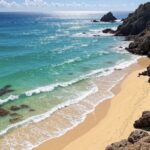
Continue to Azenhas do Mar, where white houses crowd the cliff above a small ocean pool. The village supplies the view, but lunch supplies the useful lesson: wine becomes easier to understand when food interrupts the analysis. Choose simply grilled fish if it is on the day’s menu, perhaps sea bass or sea bream, with boiled potatoes and vegetables. A fresh Portuguese white can make the fish seem sweeter and the olive oil feel lighter.
This is a good moment to meet Arinto, if the restaurant’s list allows. Strongly associated with nearby Bucelas, though grown in several Portuguese regions, Arinto is valued for acidity and often shows citrus flavours. Bucelas has its own long wine history and became particularly familiar to British drinkers in the nineteenth century. You do not need to add another winery to today’s route. A bottle at the table can introduce the next place you might explore. Order according to appetite, share modest pours and let the Atlantic occupy the pauses.
Back in Lisbon, a small tasting opens a larger map
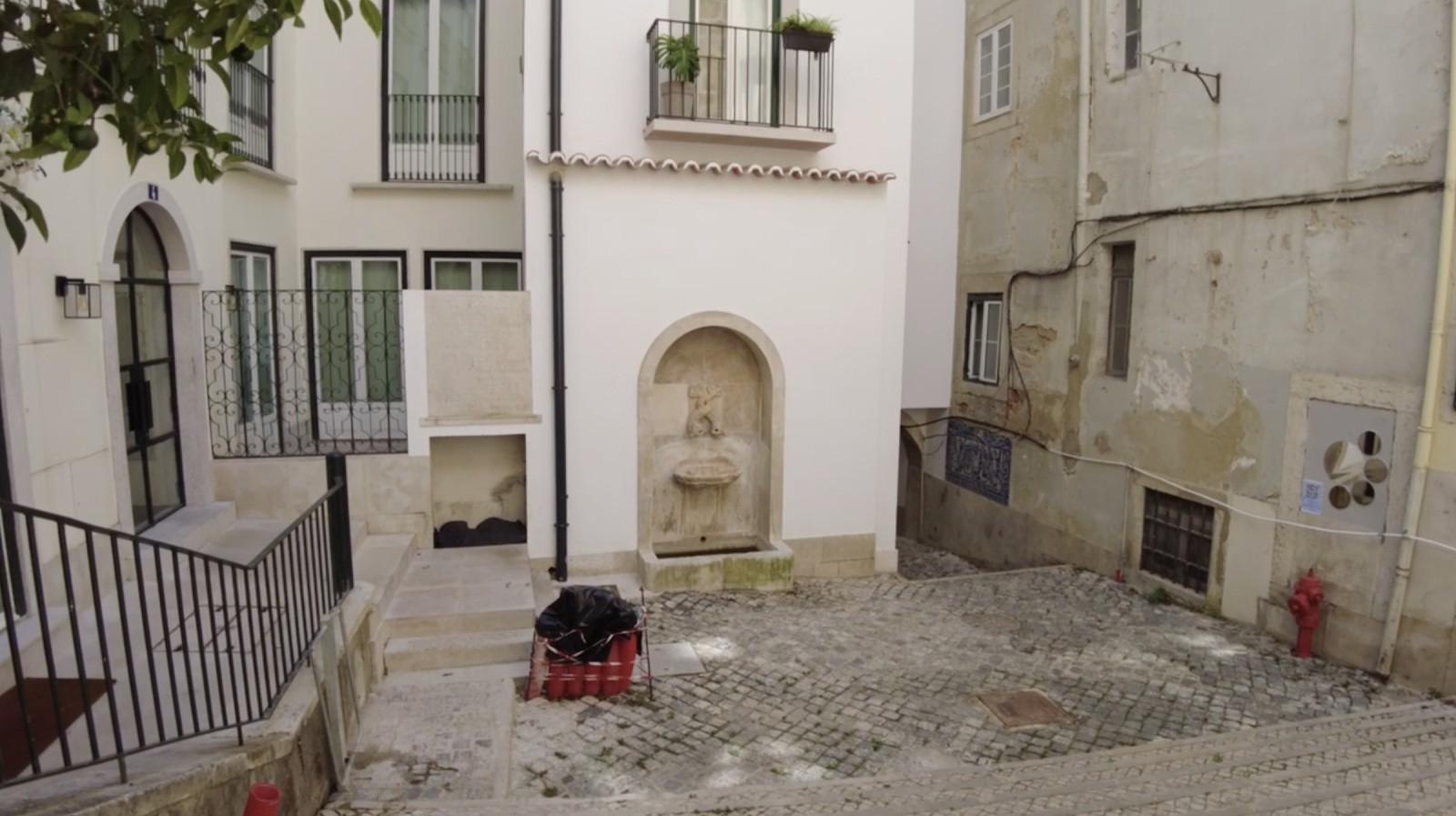
Return to Lisbon in the late afternoon rather than trying to fit another distant wine region into the day. At a wine bar, ask what is available by the glass and explain what you enjoyed in Colares. A short comparison is more revealing than a grand parade of bottles. Availability changes, so treat the following grapes as conversation starters rather than a promised flight.
Alvarinho points north to Monção and Melgaço within the Vinho Verde region, where it often produces aromatic whites with both freshness and substance. Vinho Verde is a regional designation, not a grape, and its wines are not all fizzy or sweet. Encruzado takes the imagination inland to the Dão, offering whites that can balance citrus notes with texture and ageing potential. For a red, try Touriga Nacional, important in both the Dão and Douro. Its floral aromas, dark fruit and structure help explain its appeal, whether bottled alone or contributing to a blend.
The best souvenir is a useful question
By now, the names have acquired companions. Ramisco belongs to sand and windbreaks. Malvasia de Colares recalls a cool cellar. Arinto brings back lunch above the Atlantic. The northern grapes have opened doors without demanding another hour on the road. Portugal’s frequent use of blends also begins to make sense: the point is not always to let one variety speak alone, but to find what several can say together.
Before buying a bottle, ask about serving temperature, whether it benefits from decanting and how soon to drink it. Photograph the label, including the producer and vintage, rather than trusting memory. If you take only one habit home, make it this: ask which grapes are in the wine, then ask why they belong there. The answer may begin with geology or family history. On this particular day, it began with sand.
Plan your own day
Share your dates, group size and interests, and we will suggest a tailored plan with a local driver/guide.